New Orleans Home Buying: Understanding Local Market Conditions
Learn what today's New Orleans buyers need to know about pricing, neighborhoods, and timing their purchase in this competitive market.

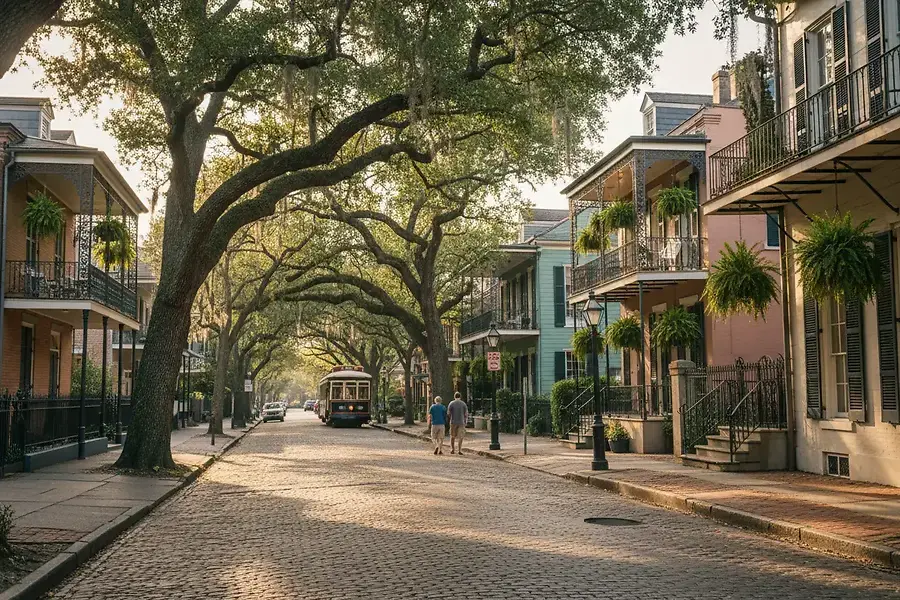
Introduction: The New Orleans Real Estate Landscape
The New Orleans real estate market continues to evolve as more buyers discover the charm, culture, and investment potential of this vibrant city. Whether you're a first-time homebuyer or an experienced investor, understanding the current market conditions is essential to making an informed decision. The city's unique blend of historic architecture, diverse neighborhoods, and strong community spirit makes it an attractive destination for those seeking a distinctive place to call home.
New Orleans offers something different from typical American real estate markets. The combination of affordable pricing compared to other major cities, rich cultural heritage, and a booming job market in various sectors has created a dynamic environment for both buyers and sellers. This guide will help you navigate the complexities of purchasing property in the Crescent City.
Understanding Current Market Conditions and Price Trends
Market Overview
The New Orleans housing market remains competitive, with steady demand from both local and out-of-state buyers. Inventory levels have stabilized in recent months, creating a balanced market where both buyers and sellers have opportunities to negotiate. Home prices have shown resilience, with appreciation rates reflecting the city's growing appeal as a residential destination.
Price Trends and Affordability
Compared to major metropolitan areas across the United States, New Orleans maintains relatively affordable home prices while offering significant value. The median home price range varies considerably depending on the neighborhood, with options available for virtually every budget:
- Entry-level homes: Available in emerging neighborhoods and areas undergoing revitalization
- Mid-range properties: Established neighborhoods with good schools and amenities
- Premium properties: Historic mansions and luxury homes in prestigious areas
Factors Influencing the Market
Several key factors continue to shape the New Orleans real estate landscape. Population growth from migration into the city has increased demand for housing. Economic development in sectors like technology, healthcare, and tourism has created job opportunities that attract new residents. Additionally, infrastructure improvements and neighborhood revitalization projects have enhanced property values in various areas throughout the city.
Interest rates and financing options also play a crucial role in market dynamics. Buyers should explore various loan programs, including conventional mortgages, FHA loans, and specialized programs designed to support homeownership in New Orleans.
Key Neighborhoods and What Influences Home Values
Historic and Established Areas
Neighborhoods like the French Quarter, Garden District, and Marigny offer historic charm and established communities. These areas command premium prices due to their architectural significance, walkability, and cultural attractions. Properties here often feature original hardwood floors, high ceilings, and distinctive period details that appeal to buyers seeking authentic New Orleans character.
Emerging and Up-and-Coming Neighborhoods
Areas such as Bywater, Treme, and Mid-City are experiencing revitalization and attracting younger buyers and investors. These neighborhoods offer more affordable entry points while providing excellent potential for appreciation. Local businesses, restaurants, and cultural venues continue to develop, making these areas increasingly desirable.
Suburban and Family-Oriented Communities
For families seeking schools, parks, and suburban amenities, neighborhoods like Lakeview, Algiers, and areas along the North Shore provide excellent options. These communities offer larger homes, more space, and family-friendly environments while remaining accessible to downtown employment centers.
What Influences Home Values
Several factors determine property values in New Orleans neighborhoods:
- Proximity to employment centers: Distance to downtown and major business districts affects desirability
- School quality: Highly-rated schools increase demand and property values
- Walkability and amenities: Access to restaurants, shops, and entertainment venues adds value
- Infrastructure and utilities: Reliable services and modern infrastructure support higher prices
- Community development: Neighborhood improvements and investment projects boost appreciation potential
- Historical significance: Architectural heritage and cultural importance command premium pricing
Making Your Move: Timeline and Next Steps
Preparing to Buy
Before beginning your home search, take time to prepare financially and mentally. Check your credit score and address any issues that might affect financing. Save for a down payment and gather documentation for mortgage pre-approval. Get pre-approved for a loan to understand your budget and demonstrate seriousness to sellers.
Working with Real Estate Professionals
Partnering with a knowledgeable local real estate agent is invaluable in the New Orleans market. An experienced agent can provide insights into neighborhood trends, help you navigate the buying process, and negotiate on your behalf. Consider also hiring a home inspector familiar with New Orleans properties, as older homes may have unique considerations regarding foundation, moisture, and historical preservation requirements.
The Buying Timeline
A typical home purchase in New Orleans follows this general timeline:
- Weeks 1-2: Get pre-approved, identify neighborhoods, and begin touring homes
- Weeks 3-4: Make an offer on your chosen property
- Weeks 5-6: Complete home inspection and appraisal
- Weeks 7-8: Finalize financing and conduct final walkthrough
- Week 9: Close on your new home
Important Considerations for New Orleans Buyers
Flood insurance: Depending on your location, flood insurance may be required or strongly recommended. Understand your property's flood zone and insurance costs before making an offer.
Property taxes: New Orleans has unique property tax structures. Research the homestead exemption and other tax benefits available to owner-occupied properties.
Historic preservation: If purchasing in a historic district, be aware of preservation requirements that may affect renovations and modifications.
Closing costs: Budget for closing costs, which typically range from 2-5% of the purchase price and include title insurance, appraisal fees, and legal expenses.
Final Thoughts
Buying a home in New Orleans is an exciting opportunity to become part of a vibrant, culturally rich community. By understanding current market conditions, researching neighborhoods thoroughly, and working with experienced professionals, you can make a confident decision that aligns with your goals and budget. The New Orleans real estate market offers diverse options for buyers at every stage of life, from first-time homebuyers to seasoned investors seeking their next opportunity.