New Orleans Home Inspections: A Buyer's Complete Guide to Property Assessments
Master the inspection process to protect your investment and avoid costly surprises in New Orleans residential properties.

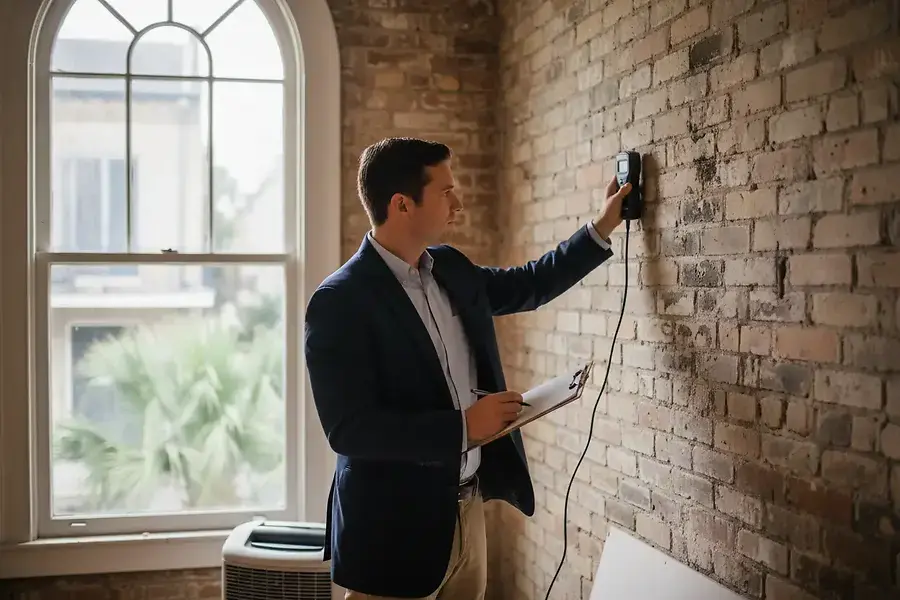
Understanding the Home Inspection Process in New Orleans
A home inspection is one of the most critical steps in the home-buying process, especially in New Orleans where unique environmental and structural challenges exist. A professional home inspector will conduct a thorough examination of the property's major systems and components, typically lasting two to three hours.
What to Expect During Your Inspection
During the inspection, the inspector will evaluate the foundation, roof, plumbing, electrical systems, HVAC, and interior components. In New Orleans, inspectors pay special attention to moisture damage, mold, and foundation issues due to the city's high water table and humid climate. You have the right to be present during the inspection, and it's highly recommended that you attend to ask questions and gain firsthand knowledge about your potential home.
The inspector will provide a detailed written report within 24 to 48 hours of the inspection. This report documents all findings, from minor cosmetic issues to major structural concerns, and serves as your roadmap for negotiating repairs or credits with the seller.
Choosing the Right Inspector
Selecting a qualified inspector is crucial. Look for inspectors who are:
- Licensed and certified by the Louisiana Home Inspector Board
- Experienced with New Orleans-specific issues like foundation settling and moisture control
- Insured and bonded for your protection
- Willing to explain findings in detail and answer your questions
Don't rely solely on the real estate agent's recommendations—do your own research and read reviews from previous clients.
Common Issues Found in New Orleans Homes and How to Address Them
Foundation and Settling Problems
New Orleans' soft soil and high water table make foundation issues extremely common. Many homes experience minor settling, which is normal, but significant cracks or uneven floors warrant professional evaluation. Foundation repairs can be expensive, so understanding the severity is essential before making an offer.
Moisture and Mold Concerns
The humid subtropical climate creates ideal conditions for mold growth. Inspectors look for signs of water intrusion, inadequate drainage, and mold in crawl spaces, attics, and bathrooms. If moisture issues are detected, budget for proper remediation and improved ventilation systems.
Roof Damage and Deterioration
New Orleans' intense sun, heavy rains, and occasional hurricanes take a toll on roofing materials. Inspectors assess shingle condition, flashing integrity, and overall structural soundness. A roof replacement can cost $8,000 to $15,000 or more, so this finding significantly impacts your negotiating position.
Plumbing and Water Pressure Issues
Older homes in New Orleans often have outdated plumbing systems. Inspectors test water pressure, check for leaks, and evaluate the condition of pipes. Galvanized pipes, common in older homes, may need replacement to ensure safe water quality.
Electrical System Deficiencies
Outdated electrical panels, insufficient outlets, and improper grounding are frequently found in New Orleans properties. These issues pose safety risks and may require upgrades to meet current building codes. Never ignore electrical concerns—they can lead to fires or electrocution hazards.
Negotiating Repairs and Credits After the Inspection
Understanding Your Options
Once you receive the inspection report, you have several options:
- Request repairs: Ask the seller to fix identified issues before closing
- Request credits: Negotiate a reduction in the purchase price to cover repairs yourself
- Request a combination: Have the seller fix major issues while providing credits for minor ones
- Walk away: If issues are too severe or costly, you may terminate the contract
Negotiation Strategy
Approach negotiations professionally and realistically. Prioritize major structural and safety issues over cosmetic concerns. Get repair estimates from licensed contractors to support your requests with concrete numbers. Be prepared to compromise—sellers are often more willing to provide credits than to hire contractors for repairs.
Remember that the inspection contingency period is typically 7 to 10 days. Use this time wisely to obtain estimates, consult with specialists if needed, and make your repair requests before the deadline.
When to Call in Specialists
If the general inspection reveals potential issues with the foundation, roof, or electrical system, consider hiring a specialist for a more detailed evaluation. The cost of a specialist inspection ($300-$800) is minimal compared to the cost of discovering major problems after purchase.
Final Thoughts: Making Informed Decisions as a New Orleans Buyer
A home inspection is an investment in your peace of mind and financial security. By understanding the inspection process, recognizing common New Orleans issues, and negotiating effectively, you position yourself to make an informed purchase decision.
Remember: no home is perfect, but you deserve to know exactly what you're buying and what repairs or maintenance lie ahead.
Take the inspection seriously, ask questions, and don't hesitate to walk away if the property's condition doesn't align with your expectations and budget. With proper due diligence, you'll find a New Orleans home that's a sound investment and a wonderful place to call home.


