New Rochelle Home Inspection Checklist for Residential Buyers
Master the essential inspection points every buyer should know before closing on a New Rochelle property.

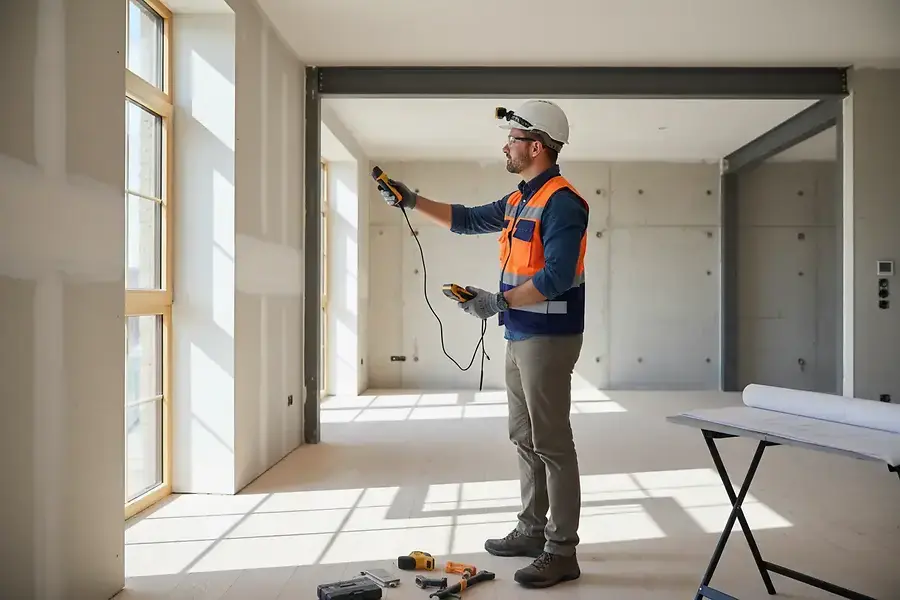
Why Professional Home Inspections Matter in New Rochelle
Purchasing a home is one of the most significant financial decisions you'll make, and in New Rochelle's competitive real estate market, a thorough home inspection is your best defense against costly surprises. A professional inspection provides an objective assessment of your potential property's condition, identifying issues that could affect your safety, comfort, and investment value.
New Rochelle properties, ranging from historic Victorian homes to modern residential developments, each present unique inspection considerations. The region's climate, with its humid summers and cold winters, can accelerate wear on roofing materials, HVAC systems, and foundations. By investing in a comprehensive inspection, you gain leverage in negotiations and peace of mind before closing.
Key benefits of professional home inspections include:
- Identifying hidden defects that could cost thousands to repair
- Uncovering safety hazards that require immediate attention
- Providing documentation for insurance and warranty purposes
- Strengthening your negotiating position with sellers
- Establishing a baseline for future maintenance planning
Critical Structural and Foundation Elements to Evaluate
Foundation Integrity and Basement Conditions
The foundation is your home's backbone, and New Rochelle's varied soil compositions make this inspection point particularly important. Inspectors should examine foundation walls for cracks, water intrusion, and signs of settling. Look for horizontal cracks, which indicate more serious structural issues than vertical ones.
Key foundation inspection points:
- Visible cracks in concrete or masonry
- Water stains or moisture damage on basement walls
- Efflorescence (white mineral deposits indicating water movement)
- Proper grading around the foundation perimeter
- Functional sump pump systems and drainage
Roof Structure and Exterior Integrity
New Rochelle's weather patterns demand careful roof evaluation. Inspectors should assess shingle condition, flashing integrity, and proper ventilation. The roof typically has a 20-30 year lifespan, so understanding its age helps predict replacement timelines.
Examine gutters, downspouts, and exterior walls for water damage signs. Check for proper attic ventilation, which prevents moisture accumulation and extends roof life. Fascia and soffit conditions should also be evaluated, as these protect your home's structural integrity.
Windows, Doors, and Exterior Walls
Inspect all windows and doors for proper sealing, operation, and signs of water infiltration. Check exterior siding for damage, rot, or deterioration. Pay special attention to areas around windows and doors where water commonly enters.
Systems Assessment: HVAC, Plumbing, and Electrical Components
Heating, Ventilation, and Air Conditioning Systems
Your HVAC system is crucial for year-round comfort in New Rochelle. Inspectors should verify that heating and cooling systems operate properly, check thermostat functionality, and assess ductwork condition. Understanding the system's age helps predict replacement needs.
HVAC inspection essentials:
- Furnace or heat pump operation and efficiency
- Air conditioning unit performance
- Ductwork integrity and proper insulation
- Filter accessibility and condition
- Carbon monoxide detector presence and functionality
Plumbing System Evaluation
Water quality and plumbing reliability directly impact daily living. Inspectors test water pressure, check for leaks under sinks and around toilets, and examine visible pipes for corrosion or damage. They'll identify the water supply source and main shut-off location—critical knowledge for emergencies.
Older New Rochelle homes may have outdated plumbing materials like galvanized steel or polybutylene pipes, which can cause water quality issues or failures. Understanding your plumbing's composition helps you plan for potential upgrades.
Electrical System Safety and Capacity
A safe electrical system is non-negotiable. Inspectors examine the main panel, check for proper grounding, and test outlet functionality. They identify outdated components like knob-and-tube wiring or insufficient panel capacity that could limit your ability to power modern appliances.
Critical electrical inspection points:
- Main electrical panel condition and labeling
- Presence of GFCI outlets in wet areas
- Proper grounding and bonding
- Adequate circuit capacity for household needs
- Absence of fire hazards or code violations
Post-Inspection Action Plan and Negotiation Strategies
Understanding Your Inspection Report
Once the inspection is complete, you'll receive a detailed report categorizing issues by severity. Critical items require immediate attention for safety or structural integrity. Major items are significant repairs that should be addressed soon. Minor items are maintenance recommendations that can often wait.
Review the report carefully with your real estate agent and inspector. Ask questions about any unclear findings and request clarification on repair estimates when possible.
Negotiation Strategies
Your inspection report is a powerful negotiation tool. You have several options:
- Request repairs: Ask the seller to fix critical and major issues before closing
- Request credits: Negotiate a price reduction to cover repair costs yourself
- Request inspections: For major issues, ask for specialized inspections (structural engineer, electrician)
- Walk away: If issues are too extensive, you may choose to terminate the purchase
Approach negotiations professionally and reasonably. Sellers are more likely to cooperate if your requests focus on legitimate safety and structural concerns rather than cosmetic issues.
Creating Your Maintenance Plan
Even if the inspection reveals no major issues, use it as a foundation for your maintenance strategy. Schedule regular HVAC servicing, monitor foundation conditions, and address minor repairs promptly to prevent them from becoming major problems.
A well-maintained home protects your investment and ensures years of comfortable living in your New Rochelle property.
Final Thoughts
A comprehensive home inspection is an investment in your future. By understanding what to look for and how to use inspection findings, you'll make a more informed purchase decision and avoid costly surprises after closing. Whether you're a first-time buyer or experienced investor, this checklist ensures you're prepared to evaluate any New Rochelle property thoroughly.


