New York Neighborhoods: Where to Buy Based on Your Lifestyle
Discover which Manhattan, Brooklyn, and Queens communities align with your priorities—from walkability and schools to nightlife and commute times.

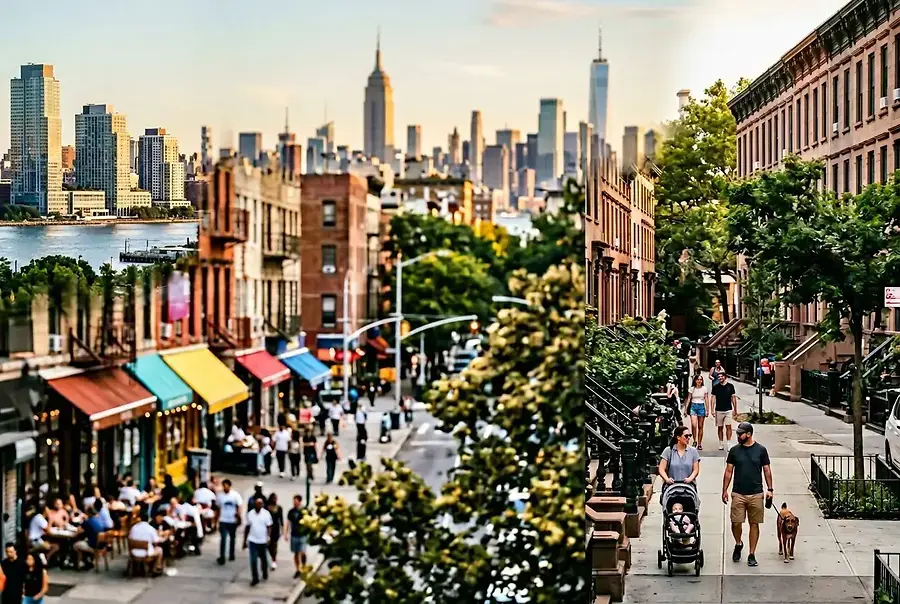
Understanding New York's Diverse Neighborhoods
New York City is a sprawling metropolis of distinct communities, each with its own character, amenities, and appeal. Whether you're a young professional seeking vibrant nightlife, a growing family prioritizing excellent schools, or someone who values walkability and cultural experiences, the city offers neighborhoods tailored to nearly every lifestyle. The key to finding your ideal home isn't just about location—it's about aligning your priorities with a community that truly fits how you want to live.
The challenge lies in understanding what each neighborhood offers beyond surface-level appeal. This guide breaks down Manhattan, Brooklyn, and Queens to help you make an informed decision about where to invest in your New York future.
Key Neighborhoods and Their Unique Characteristics
Manhattan: The Heart of the City
Upper West Side
Known for its tree-lined streets and family-friendly atmosphere, the Upper West Side combines urban convenience with residential charm. Excellent public schools and proximity to Central Park make it ideal for families. The neighborhood boasts cultural institutions like the American Museum of Natural History and Lincoln Center, offering endless entertainment options. However, expect higher prices and a more mature demographic.
East Village
This vibrant neighborhood pulses with energy and creativity. Walkability is exceptional, with countless restaurants, bars, and independent shops lining the streets. The East Village attracts younger professionals and artists who thrive in its bohemian atmosphere. Be prepared for noise, crowds, and premium pricing for smaller spaces.
Financial District
Perfect for finance professionals and those seeking modern amenities, the Financial District offers sleek high-rises and waterfront views. The neighborhood has transformed significantly, now featuring parks, restaurants, and cultural venues alongside its corporate headquarters. Commute times to major business hubs are minimal, though the area can feel sterile outside business hours.
Brooklyn: The Borough of Diversity
Williamsburg
Once an industrial area, Williamsburg has become Brooklyn's trendiest neighborhood. Excellent restaurants, galleries, and nightlife draw a young, creative crowd. The waterfront offers stunning Manhattan views and recreational spaces. Gentrification has driven prices up significantly, making it less affordable than it once was.
Park Slope
This tree-lined neighborhood centers around Prospect Park, offering a village-like feel within the city. Strong schools and family-oriented community make it popular with parents. The neighborhood features beautiful brownstones, local shops, and restaurants. It's more residential and quieter than Williamsburg, appealing to those seeking balance.
Astoria
Located in Queens but with strong Brooklyn connections, Astoria offers affordability without sacrificing character. The neighborhood features diverse dining options, cultural institutions, and a growing arts scene. It's ideal for budget-conscious buyers who don't want to compromise on quality of life.
Queens: The Emerging Frontier
Long Island City
Rapidly developing with modern residential towers, Long Island City appeals to those seeking contemporary living spaces and waterfront access. The neighborhood offers shorter commutes to Manhattan and lower prices than comparable Manhattan locations. However, it's still establishing its community identity and cultural scene.
Forest Hills
This quiet, residential neighborhood offers spacious homes and excellent schools at more affordable prices than Manhattan or central Brooklyn. The tree-filled streets and family-friendly atmosphere make it perfect for those prioritizing space and community over urban buzz. The trade-off is a longer commute to Manhattan.
Matching Your Lifestyle to the Right Community
For Young Professionals and Nightlife Seekers
Consider East Village, Williamsburg, or Astoria. These neighborhoods offer vibrant bar scenes, late-night dining, and young populations. They're walkable, with excellent public transportation connections. Budget accordingly, as these areas command premium prices.
For Families Prioritizing Schools
The Upper West Side, Park Slope, and Forest Hills are your best bets. All three offer excellent public and private school options, parks for children, and community-oriented atmospheres. These neighborhoods tend to be quieter and more family-focused, though prices reflect their desirability.
For Remote Workers Seeking Affordability
Explore Astoria, Long Island City, or Forest Hills. These neighborhoods offer better value for your money while maintaining good quality of life. With remote work flexibility, you can enjoy lower prices without sacrificing access to Manhattan's amenities.
For Culture and Arts Enthusiasts
East Village, Williamsburg, and Astoria excel in cultural offerings. These neighborhoods host galleries, theaters, music venues, and independent bookstores. They attract creative communities and offer constant cultural events and exhibitions.
For Commuters Prioritizing Convenience
The Financial District, Long Island City, and areas near major subway lines minimize commute times. Consider your workplace location and choose neighborhoods with direct transit access. This can significantly improve your quality of life by reducing daily travel time.
Making Your Neighborhood Decision
Choosing a New York neighborhood requires honest self-assessment. Ask yourself:
- What's your budget, and how much are you willing to spend?
- How important is walkability and public transportation access?
- Do you prioritize nightlife, cultural activities, or quiet residential living?
- Are schools a primary consideration?
- What's your commute situation, and how much time are you willing to spend traveling?
- Do you value community and neighborhood identity?
Visit neighborhoods multiple times—during weekdays and weekends, day and night. Walk the streets, eat at local restaurants, and talk to residents. This firsthand experience reveals what living there truly feels like beyond statistics and reviews.
Consider your timeline and life stage. Your ideal neighborhood at 25 may differ from your preference at 35 or 45. Think about where you see yourself in five to ten years and choose accordingly.
New York's neighborhoods are constantly evolving. What's true today may shift in coming years. However, fundamental characteristics—walkability, school quality, cultural offerings, and community feel—tend to remain stable. Focus on these enduring qualities when making your decision.
Remember, there's no universally "best" neighborhood—only the best neighborhood for you. By understanding what each community offers and honestly assessing your priorities, you'll find a home in a neighborhood where you can truly thrive in New York City.


