New York Property Taxes and Assessments: A Homeowner's Complete Guide
Learn how property tax assessments work and discover legitimate deductions that could save you thousands annually.

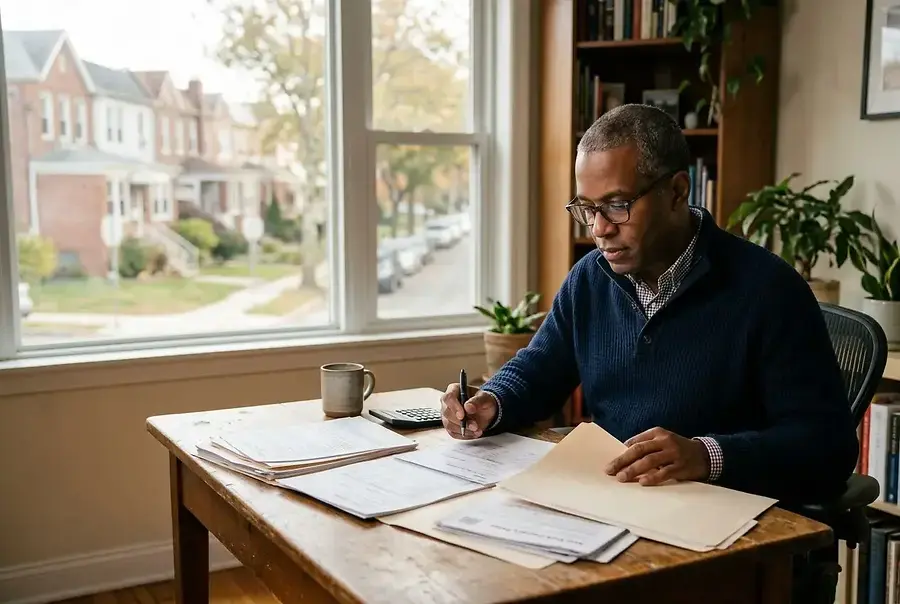
Why New York Property Taxes Matter to Homeowners
Property taxes represent one of the largest expenses for New York homeowners, often rivaling or exceeding mortgage payments in many regions. Understanding how these taxes are calculated and what deductions you may qualify for can result in substantial annual savings. Many homeowners unknowingly miss opportunities to reduce their tax burden simply because they lack knowledge about available exemptions and assessment processes.
New York's property tax system is complex, varying significantly between counties and municipalities. However, the fundamental principles remain consistent across the state. By taking time to understand these principles, you empower yourself to make informed decisions about your property investment and potentially save thousands of dollars annually.
How Property Tax Assessments Work in New York
Understanding the Assessment Process
Property tax assessments in New York begin with local assessors evaluating your property's value. This assessment determines the assessed value, which serves as the basis for calculating your property tax bill. Assessors consider various factors including:
- Property location and neighborhood characteristics
- Building size, age, and condition
- Recent comparable sales in your area
- Property improvements and renovations
- Land size and usability
The Tax Rate Calculation
Once your property receives an assessed value, your local tax rate is applied. The tax rate varies by municipality and is expressed as a percentage of the assessed value. Your final property tax bill equals your assessed value multiplied by the local tax rate. This is why understanding both components is crucial for homeowners.
Assessment Review and Appeals
New York law provides homeowners with the right to challenge their property assessments. If you believe your assessment is inaccurate or unfairly high compared to similar properties, you can file a Grievance during the designated grievance period. This typically occurs once yearly and requires submitting evidence supporting your claim of overvaluation.
Pro Tip: Keep detailed records of your property's condition, recent renovations, and comparable property sales. This documentation strengthens your case if you decide to file a grievance.
Common Deductions and Exemptions Available to Residential Owners
Primary Residence Exemption (STAR)
The School Tax Relief (STAR) program is one of New York's most valuable exemptions for homeowners. This program provides a partial exemption from school property taxes for owner-occupied homes. There are two levels of STAR exemptions:
- Basic STAR: Available to homeowners with household incomes up to $250,000
- Enhanced STAR: Available to senior citizens (age 65+) with household incomes up to $91,000
The exemption amount varies by school district but can reduce your annual school tax bill by hundreds or even thousands of dollars. Eligible homeowners should apply through their local assessor's office.
Senior Citizen Exemptions
New York offers additional property tax relief for senior citizens beyond the Enhanced STAR program. Homeowners aged 65 and older may qualify for exemptions that reduce their total property tax burden. Income limits and exemption amounts vary by municipality, so it's essential to check with your local assessor for specific eligibility requirements.
Disability Exemptions
Homeowners with disabilities may qualify for property tax exemptions. These exemptions recognize the additional expenses often associated with disability accommodations. Eligibility requirements and exemption amounts differ by location, requiring verification through your local assessor's office.
Agricultural and Horticultural Exemptions
If your property includes agricultural or horticultural use, you may qualify for special exemptions that significantly reduce your tax burden. These exemptions apply to properties actively used for farming, fruit production, or similar agricultural purposes. Documentation of agricultural activity is required to maintain this exemption status.
Veteran Exemptions
New York honors military service with property tax exemptions for eligible veterans. The exemption amount varies based on disability rating and other factors. Veterans should contact their local assessor to determine eligibility and application procedures.
Religious and Non-Profit Exemptions
Properties owned by religious organizations or qualified non-profit entities may receive exemptions from property taxation. These exemptions support community institutions and require proper documentation of the organization's status and use of the property.
Taking Control of Your Property Tax Strategy
Annual Review and Documentation
Successful property tax management requires annual attention. Review your assessment notice carefully each year, comparing your assessed value to recent sales of similar properties in your neighborhood. Document any property improvements, maintenance issues, or changes that might affect your assessment. This information becomes invaluable if you need to file a grievance.
Professional Assistance
Consider consulting with a property tax professional or attorney if your assessment seems significantly out of line with comparable properties. These professionals understand local assessment practices and can effectively represent your interests during the grievance process. The cost of professional assistance often pays for itself through successful assessment reductions.
Stay Informed About Program Changes
New York's property tax laws and exemption programs evolve periodically. Staying informed about changes ensures you don't miss new opportunities for tax savings. Subscribe to updates from your local assessor's office and review state tax department announcements regularly.
Maximize Your Exemptions
Many homeowners qualify for exemptions they never claim. Review all available programs carefully to determine which ones apply to your situation. Even if you don't currently qualify for certain exemptions, circumstances change—monitor your eligibility as you age or if your property use changes.
Taking an active role in understanding your property taxes and pursuing available deductions and exemptions puts you in control of one of your largest household expenses. By implementing these strategies, New York homeowners can achieve significant annual savings while ensuring they pay only their fair share of property taxes.