New York Residential Market: Understanding Home Values and Appreciation
Learn what factors drive property values in New York neighborhoods and how to identify homes with strong appreciation potential.

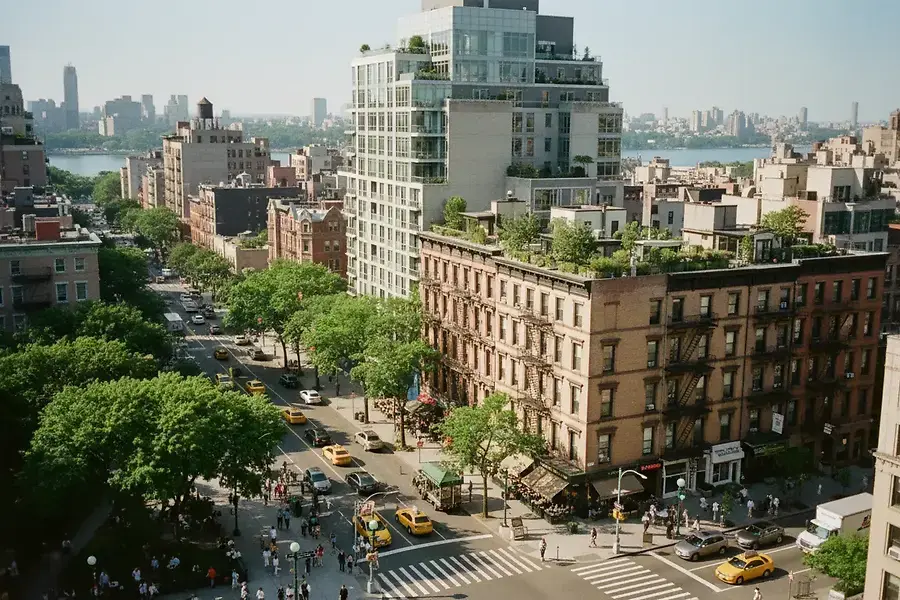
Introduction: The New York Residential Market Landscape
The New York residential real estate market remains one of the most dynamic and competitive in the nation. Whether you're a first-time homebuyer, an experienced investor, or someone looking to upgrade your living situation, understanding what drives property values is essential for making informed decisions. New York's diverse neighborhoods each tell their own story through property values, market trends, and growth potential.
The market has evolved significantly, with buyers increasingly seeking value beyond just location. Today's savvy investors and homeowners recognize that successful real estate decisions require a deeper understanding of the factors that influence appreciation and long-term property value.
Key Factors That Influence Home Values in New York
Location and Neighborhood Characteristics
Location remains the cornerstone of real estate value in New York. However, location encompasses far more than just the address. Neighborhood amenities, walkability, and proximity to transportation hubs significantly impact property values. Homes near subway stations, parks, and shopping districts typically command premium prices.
The character of a neighborhood matters tremendously. Areas undergoing revitalization, with new restaurants, galleries, and cultural venues, often experience stronger appreciation than stagnant neighborhoods. Community safety, school quality, and local infrastructure all contribute to a neighborhood's desirability and property values.
Transportation Access and Connectivity
New York's extensive public transportation network is a major value driver. Properties within walking distance of major transit lines consistently appreciate faster than those requiring a car or longer commute times. The accessibility to Manhattan, Brooklyn's business districts, and major employment centers directly correlates with property values.
Recent improvements to transit infrastructure have revitalized previously overlooked neighborhoods. Areas that gain new subway connections or improved service often see property values surge as commuting becomes more convenient.
School Districts and Educational Institutions
Families prioritize access to quality schools, making school district ratings a critical value factor. Neighborhoods with highly-rated public schools and proximity to prestigious private institutions attract buyers willing to pay premium prices. This demand creates sustained appreciation in family-oriented neighborhoods.
Economic Development and Employment Opportunities
Areas with growing job markets and economic development initiatives attract younger professionals and established workers alike. Neighborhoods near tech hubs, financial districts, and emerging business centers experience stronger property value growth. When major employers establish offices or expand operations in an area, surrounding residential properties typically appreciate.
Property Condition and Age
While location is paramount, the physical condition of a property significantly affects its value. Well-maintained homes with modern amenities command higher prices than properties requiring substantial repairs. Historic homes with original character often appeal to specific buyers and can appreciate well if properly maintained.
Recent renovations, updated systems, and energy-efficient features increasingly influence buyer decisions and property valuations. Properties that balance charm with modern functionality tend to appreciate more steadily.
Identifying Neighborhoods with Strong Appreciation Trends
Analyzing Market Data and Trends
Successful real estate investors study historical price trends, sales volume, and days-on-market data. Neighborhoods showing consistent year-over-year appreciation, increasing sales activity, and decreasing days-on-market often indicate strong future potential. Public records, real estate databases, and market reports provide valuable insights into these trends.
Emerging Neighborhoods and Up-and-Coming Areas
The greatest appreciation opportunities often exist in neighborhoods on the cusp of transformation. Look for areas with:
- New infrastructure projects or transit improvements
- Increasing commercial development and business activity
- Rising population demographics and younger residents
- Improving school ratings and educational facilities
- Growing cultural venues, restaurants, and entertainment options
These indicators suggest a neighborhood is attracting investment and attention, which typically precedes significant property value appreciation.
Demographic Shifts and Population Growth
Neighborhoods experiencing population growth, particularly among younger professionals and families, often see stronger property appreciation. Areas attracting diverse populations and experiencing demographic revitalization tend to develop more resilient real estate markets. Census data and demographic reports help identify these trends.
Gentrification and Neighborhood Evolution
While gentrification is complex and multifaceted, neighborhoods undergoing revitalization typically experience significant property value increases. Areas where property values have lagged behind comparable neighborhoods but show signs of improvement—new businesses, cultural institutions, and infrastructure investment—may offer strong appreciation potential.
Proximity to Major Developments
Planned or ongoing major developments can dramatically impact surrounding property values. New parks, cultural centers, office complexes, or residential developments often increase demand for nearby homes. Researching city planning documents and development pipelines reveals opportunities before they become obvious to the broader market.
Conclusion: Making Informed Decisions in New York Real Estate
Success in New York's residential real estate market requires understanding the multifaceted factors that drive property values. Location, transportation access, economic development, and neighborhood characteristics all play crucial roles in determining both current value and appreciation potential.
Whether you're buying a home for personal use or as an investment, thorough research and analysis pay dividends. Study neighborhood trends, analyze market data, and consider both current conditions and future potential. The most successful real estate decisions balance immediate needs with long-term appreciation prospects.
By understanding these key factors and learning to identify neighborhoods with strong appreciation trends, you'll be better equipped to navigate New York's competitive real estate market and make decisions that align with your financial goals and lifestyle preferences.