North Bend Home Inspection Guide: What Every Buyer Must Know
Essential inspection tips and red flags specific to North Bend's unique residential properties and climate conditions.

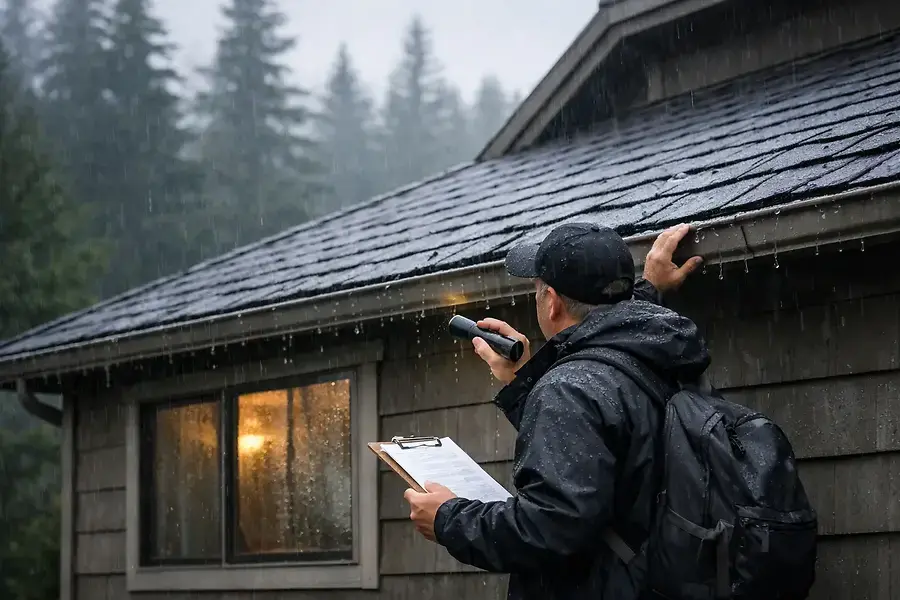
Understanding North Bend's Unique Home Inspection Needs
North Bend, nestled in the heart of the Pacific Northwest, presents homebuyers with distinctive inspection considerations that differ from other regions. The area's climate, geography, and architectural styles create specific challenges that require specialized knowledge from both inspectors and buyers.
The region's high rainfall and moisture levels make water intrusion one of the most critical concerns for any property. Unlike drier climates, North Bend homes face constant exposure to dampness, which can lead to structural damage, mold growth, and foundation issues if not properly managed. Understanding these environmental factors is essential before making your investment.
Additionally, many homes in North Bend were built decades ago with construction methods that may not meet current standards. Older properties often lack proper insulation, modern electrical systems, and updated plumbing infrastructure. A thorough inspection becomes your best defense against inheriting costly repairs.
Common Issues Found in North Bend Residential Properties
Moisture and Water Damage
Water damage is the leading concern in North Bend inspections. Look for:
- Roof leaks and deterioration – Inspect shingles, flashing, and gutters carefully
- Foundation cracks and seepage – Check basement walls for water stains and efflorescence
- Compromised window and door seals – These are common entry points for moisture
- Inadequate drainage systems – Ensure gutters and downspouts direct water away from the foundation
Mold and Fungal Growth
The damp climate creates ideal conditions for mold. During your inspection, pay special attention to:
- Crawl spaces and attics
- Bathroom and kitchen areas
- Basement corners and walls
- Areas around plumbing penetrations
Professional mold testing may be necessary if you suspect contamination.
Structural and Foundation Issues
Prolonged moisture exposure can compromise structural integrity. Common findings include:
- Wood rot in siding, fascia, and framing members
- Settling and foundation movement causing cracks in walls and floors
- Deteriorated support posts in crawl spaces
- Inadequate ventilation leading to moisture accumulation
Aging Systems
Many North Bend homes feature outdated mechanical systems that may require replacement:
- Older electrical panels with insufficient capacity
- Corroded plumbing pipes prone to leaks
- Inefficient or failing HVAC systems
- Outdated water heaters nearing end of life
What to Expect During the Professional Inspection Process
Pre-Inspection Preparation
Before the inspector arrives, ensure the property is accessible. Unlock gates, clear pathways to the attic and crawl space, and make sure utilities are functioning. Provide the inspector with any documentation about previous repairs or renovations.
The Inspection Itself
A comprehensive North Bend home inspection typically takes 2-4 hours and includes:
- Exterior evaluation – Roof condition, siding, gutters, drainage, and landscaping grading
- Foundation and structural assessment – Crawl space inspection for moisture, rot, and pest damage
- Interior systems review – Electrical, plumbing, HVAC, and appliances
- Attic inspection – Ventilation, insulation, and signs of leaks or pest activity
- Moisture assessment – Using moisture meters to detect hidden dampness
The Inspection Report
Your inspector will provide a detailed report categorizing findings by severity. Items are typically classified as:
- Critical – Immediate safety concerns or major structural issues
- Major – Significant repairs needed within the next few years
- Minor – Maintenance items or cosmetic concerns
Request clarification on any findings you don't understand. A good inspector will explain implications and potential costs.
Using Inspection Results to Negotiate and Make Informed Decisions
Prioritizing Findings
Not all inspection issues carry equal weight. Focus on:
- Safety hazards – Electrical problems, structural damage, or mold contamination
- Major systems – Roof, foundation, plumbing, and electrical
- Water intrusion risks – Especially critical in North Bend's climate
Cosmetic issues and minor maintenance can often be addressed after purchase.
Negotiation Strategies
Armed with inspection results, you have several options:
- Request repairs – Ask the seller to fix critical items before closing
- Negotiate price reduction – Reduce the offer to account for repair costs
- Request credit at closing – Receive funds to handle repairs yourself
- Walk away – If issues are too extensive or costly
Obtain repair estimates from licensed contractors to support your negotiation position with concrete numbers.
Making Your Final Decision
Remember that no home is perfect. The goal of inspection is to understand what you're buying and make an informed decision based on your budget, timeline, and risk tolerance.
Consider the age of the home, its location, and the overall market. A well-maintained older home with minor issues may be a better investment than a newer property with hidden problems. Trust your inspector's expertise and your own instincts.
By understanding North Bend's unique inspection needs and carefully evaluating findings, you'll be well-equipped to make a confident home purchase decision that protects your investment for years to come.


