North Georgia Commercial Zoning: Your Complete Guide to Property Regulations
Navigate zoning regulations and land use classifications across Atlanta, Cherokee, Cobb, Pickens, Gilmer, Fannin, and Forsyth counties to maximize your commercial property investment potential.

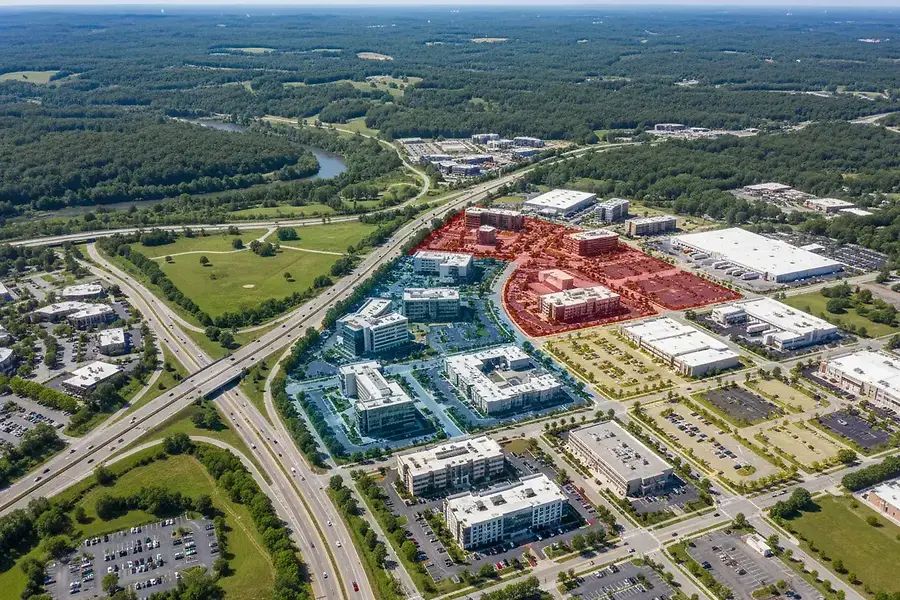
Understanding Zoning Classifications: Commercial, Industrial, Mixed-Use, and More
Zoning regulations form the backbone of commercial real estate development in North Georgia. Understanding these classifications is essential for investors, developers, and business owners looking to maximize their property potential. Zoning determines how land can be used, what structures can be built, and what activities are permitted in specific areas.
Commercial Zoning Districts
Commercial zoning typically includes retail, office, and service-oriented businesses. These districts are designed to support local economies and provide convenient access to goods and services. Commercial zones vary in intensity, from neighborhood commercial areas serving local communities to regional commercial centers attracting customers from across multiple counties.
- Neighborhood Commercial (NC): Small-scale retail and services serving immediate residential areas
- General Commercial (GC): Larger retail centers, restaurants, and mixed commercial uses
- Office/Professional (OP): Medical offices, professional services, and corporate headquarters
- Highway Commercial (HC): Auto-oriented businesses along major transportation corridors
Industrial and Mixed-Use Zoning
Industrial zones support manufacturing, warehousing, and distribution operations. North Georgia's strategic location along major highways makes industrial zoning particularly valuable for logistics and supply chain businesses. Mixed-use developments combine residential, commercial, and sometimes industrial components in unified projects, creating vibrant communities with diverse economic activity.
Mixed-use zoning has become increasingly popular in North Georgia, particularly in areas like Cobb and Forsyth counties, where developers are creating walkable communities that blend living, working, and shopping spaces.
County-by-County Zoning Overview: What Each North Georgia Area Offers Commercial Investors
Atlanta and Fulton County
As Georgia's economic hub, Atlanta offers diverse commercial zoning opportunities. The city maintains strict zoning codes with multiple commercial districts tailored to different business types. Downtown Atlanta features mixed-use zoning supporting high-density development, while suburban areas offer neighborhood and general commercial zones.
Cobb County
Cobb County has emerged as a major commercial hub with well-developed zoning infrastructure. The county supports significant retail, office, and industrial development. Key commercial corridors along I-75 and I-285 offer excellent visibility and accessibility. Cobb's zoning regulations encourage mixed-use development, particularly in areas like The Battery Atlanta and surrounding communities.
Cherokee County
Rapidly growing Cherokee County offers abundant commercial zoning opportunities for investors. The county balances growth with preservation, offering commercial zones in strategic locations near major highways. Canton's downtown area features revitalized commercial zoning supporting local businesses and regional retailers.
Pickens, Gilmer, and Fannin Counties
These northern counties maintain more limited but strategically important commercial zoning. Pickens County focuses commercial development in Jasper and surrounding areas, while Gilmer County supports commercial activity in Ellijay. Fannin County maintains smaller commercial zones suited to its rural character. These areas offer opportunities for investors seeking less competitive markets with growth potential.
Forsyth County
Forsyth County represents one of North Georgia's fastest-growing markets with expanding commercial zoning. Cumming's downtown revitalization has created new commercial opportunities, while highway corridors support retail and office development. The county's strong population growth drives consistent demand for commercial real estate.
How to Verify Zoning Status and Plan for Future Development Opportunities
Researching Property Zoning
Before investing in commercial property, thorough zoning research is essential. County assessor websites provide zoning maps and classifications for specific parcels. Most North Georgia counties maintain online GIS (Geographic Information Systems) databases allowing property searches by address or parcel number.
- Visit the county assessor's office website for zoning maps and property records
- Review comprehensive plans showing future land use designations
- Check for overlay districts that may impose additional restrictions
- Consult with county planning departments for clarification on specific properties
Understanding Zoning Restrictions and Variances
Zoning regulations specify permitted uses, setback requirements, building heights, parking ratios, and other development standards. Variances allow property owners to deviate from standard zoning requirements when hardship exists. Conditional use permits enable certain uses not typically allowed in a zone if specific conditions are met.
Working with local zoning attorneys and planning consultants can help navigate complex regulations and identify variance opportunities.
Planning for Future Development
County comprehensive plans outline future growth areas and land use changes. These plans often identify corridors designated for commercial expansion or mixed-use development. Investors should review these plans to identify properties positioned for future zoning changes or increased commercial demand.
Pro Tip: Properties adjacent to areas slated for commercial development in county comprehensive plans often appreciate significantly as growth approaches. Early identification of these opportunities can yield substantial returns.
Working with Local Authorities
Establishing relationships with county planning departments, zoning boards, and city councils provides valuable insights into development trends and upcoming zoning changes. Many counties hold public hearings on zoning amendments, offering opportunities to understand future direction and network with other investors.
Conclusion: Making Informed Commercial Real Estate Decisions in North Georgia
North Georgia's diverse zoning landscape offers commercial investors numerous opportunities across seven distinct counties. From Atlanta's dense urban commercial districts to the emerging markets of Pickens, Gilmer, and Fannin counties, understanding local zoning regulations is fundamental to successful investment.
Key takeaways for commercial real estate success:
- Thoroughly research zoning classifications and permitted uses before purchasing property
- Understand county-specific regulations and development patterns
- Utilize county GIS systems and comprehensive plans to identify growth opportunities
- Consult with local planning professionals when navigating complex zoning issues
- Monitor zoning amendments and comprehensive plan updates for emerging opportunities
By mastering North Georgia's zoning regulations and staying informed about local development trends, commercial investors can make strategic decisions that maximize property value and investment returns. Whether targeting established markets like Cobb County or emerging opportunities in northern counties, informed zoning knowledge provides the foundation for successful commercial real estate ventures in North Georgia.