North Palm Beach Property Taxes: Residential vs Commercial Comparison
Understand how property tax rates and assessment methods differ between residential and commercial investments in North Palm Beach.

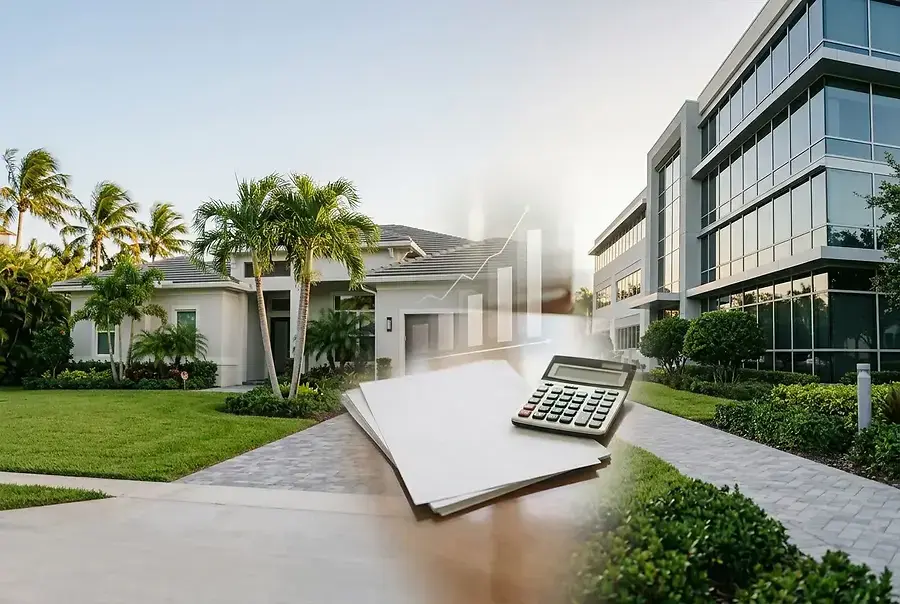
Why Property Tax Planning Matters for Both Property Types
Property taxes represent one of the most significant ongoing expenses for real estate investors and homeowners in North Palm Beach. Whether you own a single-family home or a commercial building, understanding your tax obligations is essential for effective financial planning. The difference between residential and commercial property taxation can significantly impact your bottom line, making it crucial to grasp how each category is assessed and taxed differently.
Many property owners overlook the importance of tax planning until they receive their assessment notice. By that time, opportunities to optimize your tax position may have already passed. This article breaks down the key differences between residential and commercial property taxes in North Palm Beach, helping you make informed decisions about your real estate investments.
Residential Property Tax Assessment in North Palm Beach
How Residential Properties Are Assessed
Residential properties in North Palm Beach are assessed based on their fair market value, which is determined by the county property appraiser. The assessment process considers factors such as:
- Property size and square footage
- Age and condition of the structure
- Location and neighborhood characteristics
- Recent comparable sales in the area
- Improvements and renovations
The assessed value is then multiplied by the millage rate to determine your annual property tax bill. In Palm Beach County, residential properties typically benefit from the homestead exemption, which provides significant tax relief for primary residences.
Homestead Exemption Benefits
One of the most valuable tax advantages for residential property owners is the homestead exemption. This exemption allows eligible homeowners to reduce their assessed value by up to $50,000, resulting in substantial annual savings. To qualify, the property must be your primary residence, and you must establish residency in Florida.
Beyond the basic exemption, Florida offers additional exemptions for seniors, disabled individuals, and veterans. These supplemental exemptions can provide even greater tax relief, making homeownership more affordable for qualifying residents.
Residential Tax Rates and Millage
Residential property tax rates in North Palm Beach vary depending on the specific taxing district. The combined millage rate typically ranges from 8 to 10 mills per dollar of assessed value, though this can fluctuate based on local government budgets and bond obligations. A mill equals one-tenth of one percent of the assessed property value.
Understanding your local millage rate is essential for calculating your annual property tax liability and budgeting for this significant expense.
Commercial Property Tax Assessment and Deductions
Commercial Property Valuation Methods
Commercial properties are assessed differently than residential properties. Rather than relying solely on comparable sales, commercial property appraisers use multiple valuation approaches:
- Income Approach: Based on the property's income-generating potential and rental rates
- Market Approach: Comparison with similar commercial properties that have recently sold
- Cost Approach: Replacement cost of the building and land value
The income approach is often the primary method for commercial properties, as it reflects the property's ability to generate revenue. This means that properties with higher rental income or occupancy rates may face higher assessments.
Commercial Property Tax Rates
Commercial properties in North Palm Beach typically face higher millage rates than residential properties. While residential rates average around 8-10 mills, commercial properties often face rates of 10-12 mills or higher, depending on the property classification and location. Additionally, commercial properties do not qualify for the homestead exemption or other residential tax breaks.
The higher tax burden on commercial properties reflects their income-generating nature and the greater services they require from local government, such as enhanced infrastructure and emergency services.
Commercial Property Tax Deductions and Advantages
While commercial properties face higher tax rates, they offer significant deduction opportunities that residential properties cannot access:
- Depreciation Deductions: Commercial building owners can depreciate the structure over 39 years, providing substantial annual deductions
- Operating Expense Deductions: Maintenance, repairs, utilities, insurance, and property management fees are fully deductible
- Mortgage Interest Deduction: Interest paid on commercial mortgages is tax-deductible
- Capital Improvements: Upgrades and renovations can be depreciated or deducted
- Loss Carryforwards: Losses from commercial properties can offset other income in certain situations
These deductions can substantially reduce your taxable income, potentially offsetting the higher property tax rates. Many commercial property investors find that the tax advantages make commercial real estate an attractive investment despite the higher initial tax burden.
Special Assessments and Additional Considerations
Both residential and commercial properties may be subject to special assessments for improvements such as road construction, drainage systems, or infrastructure upgrades. These assessments are typically added to your annual property tax bill and can vary significantly based on your property's location and the improvements being funded.
Commercial properties may also face additional fees for business licenses, occupancy permits, and other regulatory requirements that residential properties do not incur.
Making Tax-Informed Investment Decisions
Comparing Your Investment Options
When deciding between residential and commercial property investments in North Palm Beach, consider the total tax impact:
- Residential properties offer lower tax rates and valuable exemptions, making them ideal for owner-occupied homes
- Commercial properties provide extensive deduction opportunities that can offset higher tax rates and generate significant tax savings
- The income-generating potential of commercial properties may justify the higher tax burden
Working with Tax Professionals
Property tax planning is complex, and the best strategy depends on your individual circumstances, investment goals, and financial situation. Consulting with a qualified tax professional or real estate accountant is essential before making significant property investments. They can help you understand your specific tax obligations, identify available deductions, and develop a strategy that maximizes your returns.
Additionally, staying informed about changes in tax laws and assessment practices ensures you're always taking advantage of available benefits and maintaining compliance with local regulations.
Final Thoughts
Whether you're investing in residential or commercial property in North Palm Beach, understanding the tax implications is crucial for long-term financial success. Residential properties offer simplicity and valuable tax breaks for owner-occupants, while commercial properties provide sophisticated investors with powerful deduction opportunities. By carefully evaluating both options and working with experienced professionals, you can make tax-informed decisions that align with your investment goals and maximize your wealth-building potential.


