Northern Vermont Home Values: What Your Property Is Worth Today
Discover how market trends across Saint Albans, Franklin, Chittenden, Lamoille, and Grand Isle counties are affecting residential property valuations.

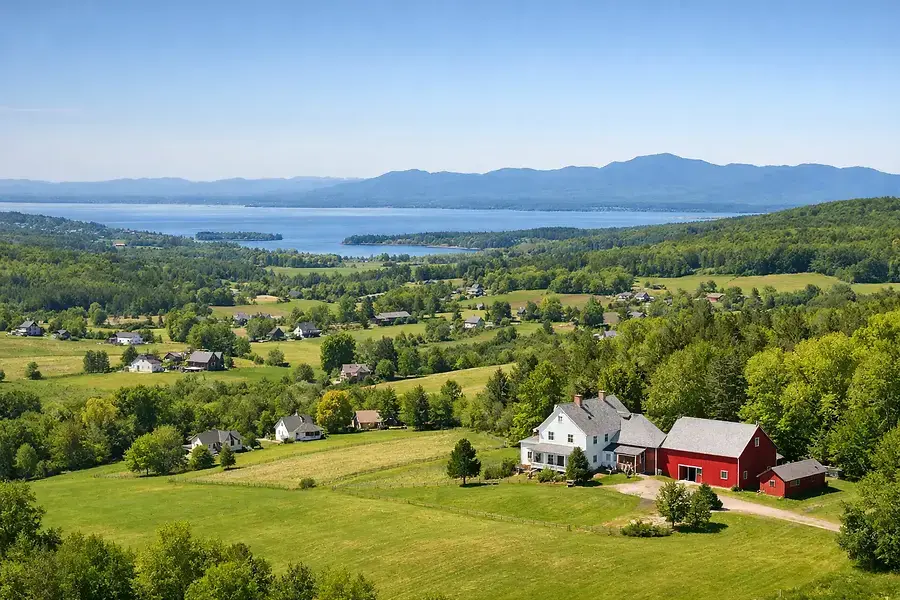
Introduction: Understanding Your Home's Current Market Value
If you own property in Northern Vermont or are considering purchasing a home in this picturesque region, understanding your home's current market value is essential. The residential real estate market in Northern Vermont has experienced significant shifts in recent years, with property values fluctuating based on various economic, demographic, and environmental factors. Whether you're a homeowner curious about your property's worth or an investor evaluating opportunities, having accurate information about market trends is crucial for making informed decisions.
The five counties that comprise Northern Vermont—Saint Albans, Franklin, Chittenden, Lamoille, and Grand Isle—each have unique characteristics that influence property values. From the bustling urban centers to quiet rural communities, understanding these regional differences can help you better comprehend where your property stands in the current market.
Market Trends Across Northern Vermont Counties: Pricing Patterns and Growth Areas
Chittenden County: The Regional Hub
Chittenden County, home to Burlington and the University of Vermont, remains the most dynamic market in Northern Vermont. This county has experienced steady appreciation in residential property values, driven by strong demand from young professionals, families, and students. The presence of major employers and educational institutions creates consistent demand for housing, supporting property values across the region.
Key characteristics of Chittenden County:
- Higher average home prices compared to surrounding counties
- Strong rental market due to university presence
- Growing demand for renovated historic properties
- Suburban communities experiencing increased development
Franklin County: Emerging Opportunities
Franklin County, anchored by Saint Albans, has emerged as an attractive alternative for buyers seeking more affordable options while maintaining proximity to urban amenities. Property values in this county have shown consistent growth as remote work opportunities have expanded, allowing professionals to live in quieter communities while maintaining city-level incomes.
The county's agricultural heritage and natural beauty continue to appeal to families and retirees seeking a slower pace of life without sacrificing modern conveniences.
Lamoille and Grand Isle Counties: Scenic Appeal
Lamoille County, featuring charming towns like Stowe and Waterbury, attracts buyers seeking recreational opportunities and natural beauty. Property values here reflect the region's popularity as a vacation destination and outdoor recreation hub. Grand Isle County, comprising the Lake Champlain islands, offers unique waterfront properties that command premium prices due to their scarcity and desirability.
Market characteristics in these counties:
- Seasonal demand fluctuations affecting pricing
- Premium pricing for waterfront and mountain-view properties
- Strong tourism-related economic activity
- Limited inventory in desirable locations
Factors That Impact Your Property Value: Location, Condition, and Local Demand
Location and Proximity to Amenities
Location remains the most significant factor influencing property values across Northern Vermont. Properties within walking distance of downtown areas, schools, and shopping centers typically command higher prices than those in remote locations. Proximity to major highways and public transportation also affects desirability and value.
Waterfront properties, whether on Lake Champlain or smaller lakes and ponds, consistently achieve premium valuations due to their limited availability and recreational appeal.
Property Condition and Age
The condition of your home directly impacts its market value. Well-maintained properties with updated systems, modern kitchens, and energy-efficient features attract more buyers and command higher prices. Conversely, homes requiring significant repairs may see reduced valuations, though some investors view these as renovation opportunities.
Factors that increase property value:
- Recent roof, HVAC, and plumbing updates
- Energy-efficient windows and insulation
- Modern kitchen and bathroom renovations
- Adequate parking and garage space
- Well-maintained landscaping and curb appeal
Local Demand and Economic Factors
Local employment opportunities, school quality, and community amenities significantly influence property demand. Areas with strong job markets and highly-rated schools typically see stronger property appreciation. Additionally, the overall health of local businesses and the presence of major employers affect long-term property value trends.
The shift toward remote work has fundamentally changed demand patterns, with more buyers seeking properties in smaller towns and rural areas that offer quality of life benefits without requiring daily commutes to urban centers.
Market Inventory and Competition
The balance between available properties and interested buyers directly affects pricing. Areas with limited inventory typically see higher prices and faster sales, while markets with abundant inventory may experience more competitive pricing and longer selling periods. Understanding current inventory levels in your specific area provides valuable insight into your property's competitive position.
Conclusion: Taking Action With Your Residential Real Estate Investment
Understanding your home's value in the current Northern Vermont market empowers you to make strategic decisions about your residential real estate investment. Whether you're planning to sell, refinance, or simply want to know your property's worth, the factors discussed—location, condition, local demand, and market trends—all play crucial roles in determining value.
For homeowners in Saint Albans, Franklin, Chittenden, Lamoille, and Grand Isle counties, the current market presents both opportunities and considerations. Consider obtaining a professional appraisal or consulting with a local real estate expert to get an accurate assessment of your property's current market value. These professionals can provide insights specific to your neighborhood and help you understand how broader market trends affect your individual situation.
The Northern Vermont real estate market continues to evolve, reflecting broader economic trends and changing lifestyle preferences. By staying informed about market conditions and understanding the factors that influence property values, you can navigate this dynamic market with confidence and make decisions that align with your financial goals.


