Northern Virginia Home Inspection Checklist: What Buyers Must Know
Discover the essential inspection points that protect your investment in Ashburn, Herndon, Reston, and surrounding communities.

Why Home Inspections Matter in Northern Virginia
Purchasing a home is one of the most significant financial decisions you'll make in your lifetime. In Northern Virginia's competitive real estate market, where properties in Ashburn, Herndon, Reston, and surrounding areas command premium prices, a thorough home inspection is not just recommended—it's essential. A professional home inspection provides you with an independent assessment of your potential property's condition, helping you identify any hidden issues before you commit to the purchase.
Home inspections protect your investment by uncovering structural problems, mechanical failures, and safety hazards that might not be visible during a casual walkthrough. Whether you're a first-time homebuyer or an experienced investor, understanding what inspectors look for can help you make informed decisions and negotiate repairs or price adjustments with confidence.
Key Inspection Areas Every Buyer Should Evaluate
Structural Integrity and Foundation
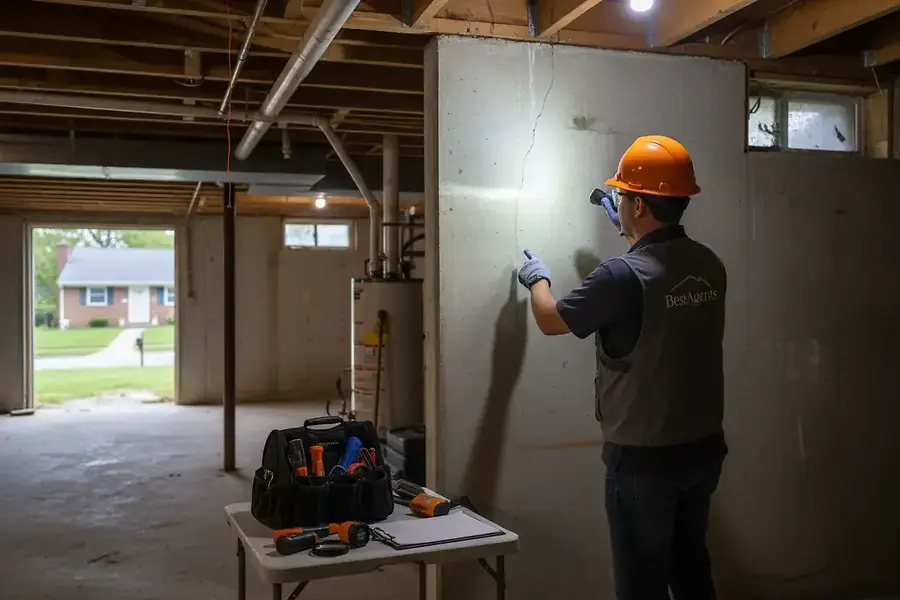
The foundation is the backbone of any home. Inspectors examine the basement or crawl space for cracks, water damage, and signs of settling. In Northern Virginia, where soil composition varies significantly, foundation issues can be particularly common. Look for horizontal cracks, bowing walls, or water intrusion—these are red flags that require professional evaluation.
Roofing and Exterior
Your roof protects everything beneath it. Inspectors assess the roof's age, condition, and remaining lifespan. They check for missing or damaged shingles, improper flashing, and signs of leaks. The exterior inspection also includes:
- Siding condition and water damage
- Windows and door seals
- Gutters and downspouts
- Grading and drainage around the foundation
Plumbing Systems
A comprehensive plumbing inspection checks water pressure, drainage, and the condition of pipes. Inspectors test all fixtures and look for signs of leaks, corrosion, or outdated materials. In older Northern Virginia homes, galvanized pipes may need replacement, which can be a significant expense.
Electrical Systems
Electrical safety is paramount. Inspectors verify that the electrical panel is properly grounded, check for adequate outlets, and ensure wiring meets current codes. Outdated or unsafe electrical systems are common concerns in older properties and should be addressed before purchase.
HVAC and Mechanical Systems
Heating, ventilation, and air conditioning systems are critical for comfort and energy efficiency. Inspectors evaluate the age and condition of furnaces, air conditioning units, and ventilation systems. They also check ductwork for leaks and proper insulation, which directly impacts your utility bills.
Insulation and Ventilation
Proper insulation and ventilation affect both comfort and energy costs. Inspectors assess attic insulation levels, ventilation adequacy, and signs of moisture problems. Northern Virginia's humid summers and cold winters make this particularly important for long-term comfort and cost savings.
Common Issues Found in Northern Virginia Properties
Water Intrusion and Moisture Problems
Northern Virginia's climate brings significant rainfall and humidity. Water intrusion is one of the most common issues found during inspections. This can manifest as:
- Basement or crawl space flooding
- Roof leaks
- Damaged grading or improper drainage
- Mold growth in attics or crawl spaces
Pro Tip: Ask the inspector specifically about any signs of previous water damage, even if it appears to have been repaired.
Outdated Systems and Components
Many homes in Northern Virginia were built decades ago. Older properties may have outdated electrical systems, plumbing materials, or HVAC equipment that requires replacement. While age alone doesn't mean failure, it's important to understand the remaining lifespan of major systems.
Pest Damage and Infestations
Termites, carpenter ants, and other pests can cause significant structural damage. Inspectors look for evidence of pest activity, including wood damage, droppings, and mud tubes. This is especially important in Northern Virginia's wooded communities.
Roof and Attic Concerns
Roof condition varies widely among properties. Common issues include inadequate ventilation, improper installation, and age-related deterioration. Attic inspections often reveal insulation problems, moisture issues, or signs of pest activity.
Basement and Foundation Issues
Cracks, efflorescence (white mineral deposits), and water stains are common in Northern Virginia basements. While minor cracks are normal, larger structural cracks or signs of active water intrusion warrant further investigation by a structural engineer.
Making Informed Decisions Before You Buy
A home inspection report provides detailed findings about your potential property's condition. Don't skip this step, even in a competitive market. Use the inspection results to:
- Negotiate repairs with the seller
- Request price reductions for significant issues
- Plan for future maintenance and upgrades
- Understand your true investment costs
Remember that no home is perfect. The goal of an inspection is to identify issues so you can make an informed decision. Some problems are minor and easily fixed, while others may be deal-breakers or require significant investment.
When working with a real estate agent in Northern Virginia, ask for recommendations for certified, experienced home inspectors. A thorough inspection is your best defense against costly surprises after closing.
By understanding what inspectors evaluate and what issues are common in Northern Virginia properties, you're taking an important step toward protecting your investment and ensuring your new home is safe, sound, and worth the price you're paying.


