Northern Virginia Home Inspection Essentials for Smart Buyers
Discover critical inspection checkpoints that protect your investment in Reston, Great Falls, McLean, Vienna, Arlington, and Alexandria.

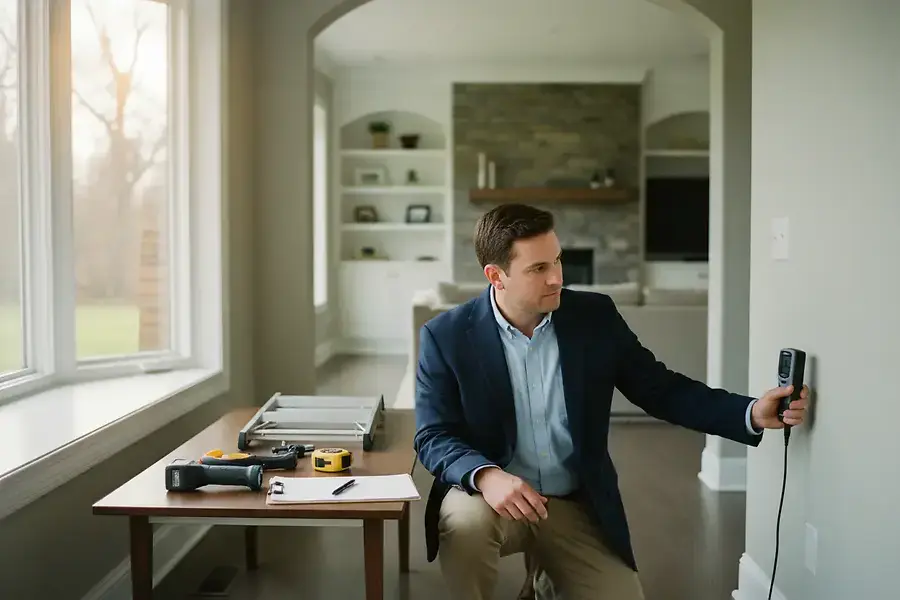
What to Expect During a Professional Home Inspection
A professional home inspection typically lasts two to four hours and involves a thorough examination of the property's visible systems and structures. When you hire a certified inspector in Northern Virginia, they'll conduct a comprehensive walkthrough of the entire home, from the foundation to the roof.
During the inspection, you have the right to accompany the inspector and ask questions about their findings. The inspector will use specialized tools and equipment to assess various components, taking photographs and detailed notes. After the inspection concludes, you'll receive a detailed written report within 24 to 48 hours, documenting all observations and recommendations.
The inspection process is non-invasive, meaning inspectors won't damage walls, flooring, or other structures to investigate further. However, they will open access panels, check electrical outlets, and examine visible areas to provide a comprehensive evaluation of the property's condition.
Key Systems and Structural Elements Inspectors Evaluate
Roofing and Exterior
Inspectors examine the roof's condition, checking for missing or damaged shingles, proper drainage, and signs of leaks. They also assess gutters, downspouts, siding, windows, doors, and the foundation for cracks or water damage. In Northern Virginia's climate, proper drainage and weatherproofing are critical to prevent moisture intrusion and foundation issues.
Electrical Systems
The electrical panel, wiring, outlets, and switches are thoroughly evaluated. Inspectors verify that the system is properly grounded, check for outdated components like aluminum wiring, and ensure the home meets current safety standards. This is particularly important in older homes throughout Arlington, Alexandria, and Vienna.
Plumbing and Water Systems
Inspectors test water pressure, check for leaks, examine pipes for corrosion, and verify that the water heater is functioning properly. They also assess the septic system or sewer connection and look for signs of water damage or mold growth. Proper drainage around the foundation is essential in the Northern Virginia area.
HVAC Systems
Heating and cooling systems are tested for proper operation and efficiency. Inspectors examine furnaces, air conditioning units, ductwork, and thermostats. They'll note the age of equipment and whether maintenance records are available, helping you understand potential replacement costs.
Structural Components
The foundation, framing, walls, ceilings, and floors are inspected for structural integrity. Inspectors look for signs of settling, cracks, water damage, pest infestation, and wood rot. These elements are crucial to the home's long-term stability and safety.
Red Flags and How to Interpret Inspection Reports
Understanding Report Categories
Most inspection reports categorize findings as major issues, minor issues, or maintenance recommendations. Major issues require immediate attention and can significantly impact the home's value and safety. Minor issues are less urgent but should be addressed within a reasonable timeframe. Maintenance recommendations are preventative measures to keep systems functioning properly.
Critical Red Flags to Watch For
- Foundation problems: Cracks, settling, or water intrusion in basements or crawl spaces
- Roof damage: Missing shingles, leaks, or structural damage requiring replacement
- Electrical hazards: Outdated wiring, improper grounding, or overloaded circuits
- Plumbing issues: Corroded pipes, active leaks, or inadequate water pressure
- Mold or water damage: Signs of moisture problems that could lead to health and structural issues
- HVAC failures: Non-functional heating or cooling systems nearing end of life
- Pest infestation: Evidence of termites, rodents, or other structural pests
Interpreting Professional Language
Inspection reports use specific terminology that's important to understand. Terms like "recommend further evaluation by a specialist" indicate that the inspector found something concerning but needs expert assessment. "Deferred maintenance" means the home needs repairs that have been postponed. Always ask your inspector to clarify any language you don't understand.
Using Inspection Results to Negotiate and Make Confident Offers
Negotiation Strategies
Armed with a detailed inspection report, you have leverage in negotiations. For major issues, you can request that the seller make repairs before closing, provide credits toward repairs, or reduce the purchase price. In competitive Northern Virginia markets like McLean and Great Falls, inspection results help you make informed decisions quickly.
Document everything: Keep copies of the inspection report, photographs, and any specialist evaluations. These documents support your negotiation position and protect you if disputes arise after closing.
Making Confident Offers
Understanding the true condition of a property allows you to make offers with confidence. If major repairs are needed, you can factor these costs into your offer price. If the inspection reveals a well-maintained home, you can feel secure moving forward with your purchase.
In Reston, Vienna, and other Northern Virginia communities, homes vary significantly in age and condition. A thorough inspection provides the clarity you need to distinguish between cosmetic issues and serious structural problems.
Next Steps After Inspection
- Review the report carefully and discuss findings with your real estate agent
- Obtain specialist estimates for any major issues identified
- Determine which items are deal-breakers versus negotiable points
- Submit a written request for repairs or credits based on inspection findings
- Have a final walkthrough before closing to verify agreed-upon repairs were completed
A professional home inspection is one of the most important investments you'll make during the home-buying process. By understanding what inspectors evaluate, recognizing red flags, and using inspection results strategically, you'll protect your investment and make confident decisions in the Northern Virginia real estate market.


