Northern Virginia Home Inspection Guide: What Buyers Should Know
Essential inspection tips and red flags to protect your investment in Ashburn, McLean, Leesburg, Reston, and Great Falls.

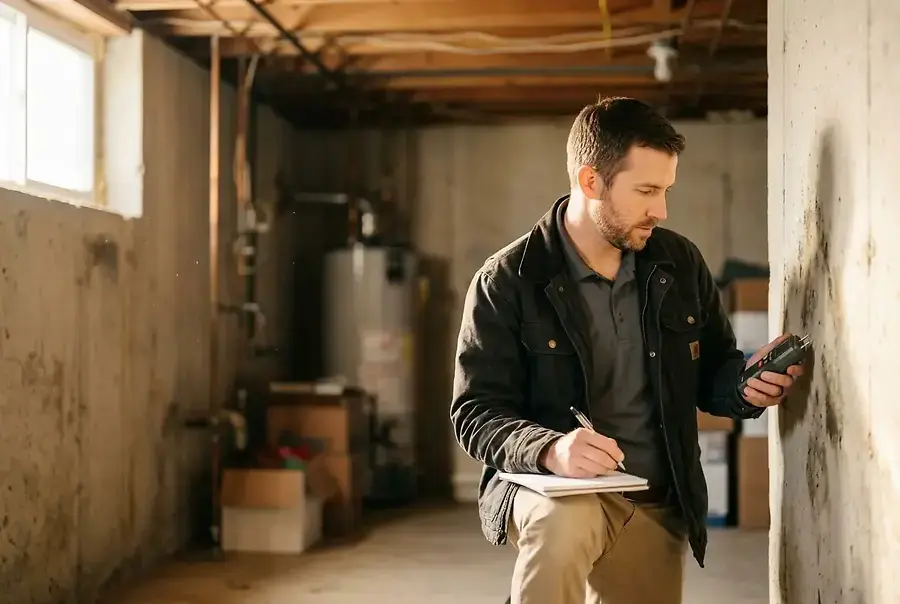
Why Home Inspections Matter in Northern Virginia's Competitive Market
Buying a home in Northern Virginia is a significant investment, and the competitive real estate market in areas like Ashburn, McLean, Leesburg, Reston, and Great Falls makes it even more critical to protect your interests. A professional home inspection is your opportunity to uncover potential issues before you commit to a purchase. In a fast-paced market where homes sell quickly, many buyers feel pressured to skip inspections or conduct them superficially. However, this is a mistake that can cost you tens of thousands of dollars in repairs and unexpected expenses.
A thorough home inspection provides you with detailed information about the property's condition, helping you make informed decisions about whether to proceed with the purchase, negotiate repairs, or request a price reduction. It's not just about finding problems—it's about understanding what you're buying and planning for future maintenance and repairs.
Common Issues Found in Northern Virginia Homes and What They Mean
Foundation and Structural Problems
Northern Virginia's clay-heavy soil can cause foundation issues over time. Look for signs such as:
- Cracks in basement walls or floors
- Uneven or sloping floors
- Gaps between walls and ceilings
- Doors and windows that stick or won't close properly
These issues can range from minor cosmetic concerns to serious structural problems requiring expensive repairs. Your inspector should assess the severity and recommend whether professional structural engineers need to evaluate the property.
Moisture and Water Damage
The humid climate in Northern Virginia makes moisture problems common. Watch for:
- Water stains on ceilings or walls
- Mold or mildew growth
- Efflorescence (white mineral deposits) on basement walls
- Musty odors in basements or crawl spaces
Why this matters: Water damage can lead to mold growth, which poses health risks and requires expensive remediation. It can also compromise the structural integrity of your home.
HVAC System Concerns
Heating and cooling systems are essential in Northern Virginia's climate. Common issues include:
- Aging furnaces or air conditioning units nearing the end of their lifespan
- Inadequate ductwork or insulation
- Poor maintenance history
- Refrigerant leaks in air conditioning systems
Replacing an HVAC system can cost $5,000 to $15,000 or more, so understanding the age and condition is crucial for budgeting.
Roofing Issues
Northern Virginia's weather patterns can be tough on roofs. Inspectors look for:
- Missing or damaged shingles
- Roof age and remaining lifespan
- Improper flashing around chimneys and vents
- Sagging or uneven roof lines
A roof replacement typically costs $8,000 to $20,000, making this a significant consideration in your purchase decision.
Electrical and Plumbing Systems
Older homes in Northern Virginia may have outdated electrical systems or plumbing issues:
- Aluminum wiring (a fire hazard)
- Insufficient electrical capacity for modern needs
- Outdated plumbing materials prone to failure
- Galvanized pipes that may be corroded
These upgrades can be expensive and should be factored into your decision-making process.
Questions to Ask Your Inspector and How to Evaluate Inspection Reports
Critical Questions to Ask
Don't just receive the inspection report passively. Ask your inspector these important questions:
- What is the age and condition of major systems? Understanding the lifespan of your roof, HVAC, and plumbing helps you plan for replacements.
- Are there any safety hazards I should know about? This includes electrical issues, mold, or structural problems.
- What repairs are urgent versus cosmetic? This helps you prioritize and budget accordingly.
- What maintenance should I perform regularly? Preventative maintenance can save you money long-term.
- Would you recommend a specialist inspection for any systems? Sometimes additional inspections for termites, radon, or structural issues are warranted.
Evaluating Your Inspection Report
A comprehensive inspection report should include:
- Detailed descriptions of each system and component
- Clear categorization of findings (good condition, fair, poor, needs repair)
- Estimated costs for recommended repairs when possible
- Photos or diagrams of problem areas
- Recommendations for further evaluation by specialists
Pro tip: Don't ignore items marked as "needs further evaluation." These often indicate potential problems that require specialist assessment. Budget conservatively for these items during negotiations.
Using Inspection Results in Negotiations
Once you have your inspection report, you have several options:
- Request repairs: Ask the seller to fix critical issues before closing.
- Request credits: Negotiate a price reduction to cover repair costs yourself.
- Walk away: If issues are too severe or costly, you can terminate the purchase.
In Northern Virginia's competitive market, sellers may resist repair requests. Be strategic—focus on major systems and safety issues rather than cosmetic concerns.
Using Inspection Results to Make Informed Buying Decisions
A home inspection is more than a checklist of problems; it's a tool for making confident purchasing decisions. Consider the following:
Total Cost of Ownership: Factor in not just the purchase price but also anticipated repairs and maintenance. A cheaper home with significant issues may cost more in the long run.
Your Risk Tolerance: Are you comfortable with a fixer-upper, or do you prefer a move-in-ready home? Your inspection results should align with your comfort level and budget.
Future Resale Value: Homes with major unresolved issues may be harder to sell later. Consider whether repairs will add value or simply maintain the property's condition.
Professional Guidance: Work closely with your real estate agent and consider consulting with contractors for specialized advice on significant issues.
In Northern Virginia's dynamic real estate market, a thorough home inspection is your best defense against costly surprises. By understanding what inspectors look for, asking the right questions, and carefully evaluating reports, you can make informed decisions that protect your investment and ensure your new home is a sound financial choice.


