NYC Residential Market: Investment Opportunities Across the Five Boroughs
Discover which neighborhoods offer the best value and growth potential for homebuyers and investors in 2026.

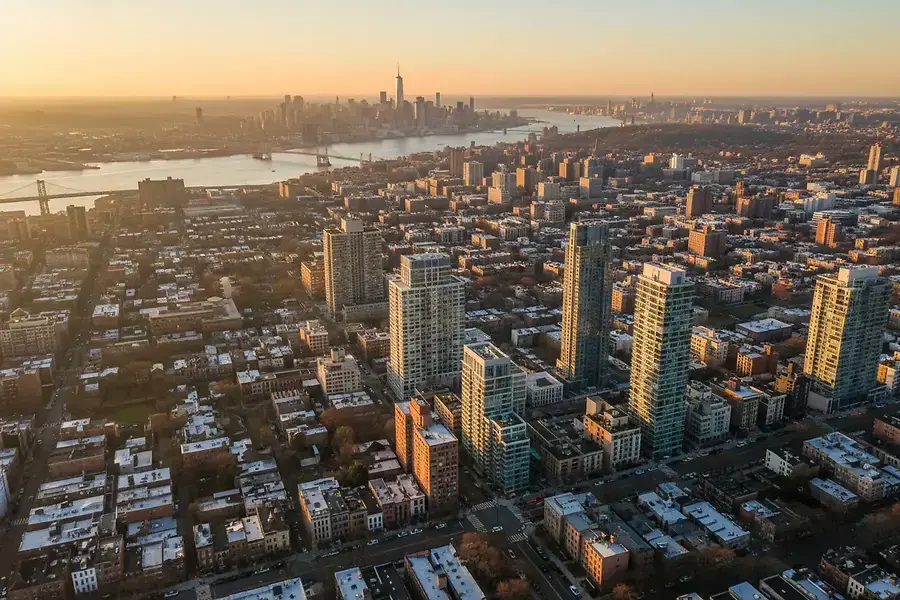
Understanding Current Market Conditions in NYC's Top Residential Areas
New York City's residential real estate market continues to evolve, presenting both challenges and opportunities for investors and homebuyers. The market has stabilized after recent fluctuations, with prices reflecting a more balanced supply-and-demand dynamic across the five boroughs. Understanding these conditions is essential before making any investment decisions.
The current landscape shows distinct patterns across different neighborhoods. Manhattan remains the premium market, while Brooklyn and Queens have emerged as hotspots for value-conscious investors seeking strong appreciation potential. The Bronx and Staten Island offer even more affordable entry points for those willing to look beyond the traditional investment zones.
Market Dynamics and Price Trends
Recent data indicates that neighborhoods with strong transit connections and emerging amenities are experiencing the most significant growth. Properties in areas undergoing revitalization show promising returns, while established neighborhoods maintain steady appreciation. Interest rates and mortgage availability continue to influence buyer behavior, making it crucial to understand financing options before committing to a purchase.
Comparing Neighborhood Profiles: Affordability, Amenities, and Growth Trends
Brooklyn: The Established Growth Market
Brooklyn has solidified its position as a premier investment destination. Neighborhoods like Williamsburg, Park Slope, and Sunset Park offer a blend of affordability and amenities. Williamsburg attracts young professionals with its vibrant nightlife and cultural scene, while Park Slope appeals to families seeking tree-lined streets and excellent schools. Sunset Park represents an emerging opportunity with lower entry prices and improving infrastructure.
- Strong job markets in tech and creative industries
- Excellent public transportation connections
- Diverse dining and entertainment options
- Growing school district improvements
Queens: The Value Champion
Queens offers exceptional value for budget-conscious investors. Astoria has transformed into a trendy neighborhood with excellent restaurants and cultural venues, while maintaining relatively affordable prices compared to Brooklyn. Long Island City continues its ascent as a waterfront destination with modern amenities and growing commercial development.
Forest Hills and Jackson Heights provide family-friendly environments with strong community infrastructure and emerging commercial corridors. These neighborhoods offer the potential for significant appreciation as development continues.
Manhattan: Premium Positioning
While Manhattan commands premium prices, strategic investments in emerging neighborhoods like Harlem and the Upper West Side can still offer value. These areas combine cultural richness with improving amenities and strong long-term appreciation potential. Established neighborhoods maintain their prestige and stability, making them ideal for investors prioritizing security over rapid growth.
The Bronx and Staten Island: Frontier Opportunities
These boroughs represent the frontier of NYC real estate investment. The Bronx, particularly neighborhoods like Mott Haven and Astoria, shows tremendous potential with affordable entry prices and ongoing revitalization projects. Staten Island offers suburban charm with urban accessibility, appealing to families seeking space and value.
Key Insight: The best investment opportunities often lie in neighborhoods experiencing infrastructure improvements and commercial development, not necessarily in already-established premium areas.
Investment Strategy: How to Evaluate Properties Across Different Borough Markets
Fundamental Evaluation Criteria
When evaluating residential properties across NYC's boroughs, consider these essential factors:
- Location and Transit Access: Proximity to subway stations significantly impacts property values and rental potential
- Neighborhood Trajectory: Research planned developments, business improvements, and infrastructure projects
- Comparable Sales: Analyze recent sales in the area to understand true market value
- Rental Income Potential: For investment properties, evaluate the neighborhood's rental market strength
- School District Quality: Excellent schools drive demand and long-term appreciation
Financial Considerations
Beyond the purchase price, evaluate the total cost of ownership. Property taxes vary significantly across boroughs, with Brooklyn and Manhattan typically higher than Queens or the Bronx. Condo fees, maintenance costs, and potential special assessments should factor into your investment analysis.
Consider your investment timeline carefully. Short-term flips require different neighborhood selection than long-term rental investments. Properties in high-growth areas may offer better appreciation, while established neighborhoods provide stability and consistent rental income.
Risk Assessment
Diversification across neighborhoods and boroughs can reduce investment risk. Avoid concentrating investments in single neighborhoods, even if they show strong growth potential. Monitor economic indicators, employment trends, and development pipelines to stay ahead of market shifts.
Making Your Move: Next Steps for Buying Residential Real Estate in NYC
Preparation and Due Diligence
Before making an offer, conduct thorough due diligence. Hire a qualified inspector to assess property condition, and work with an experienced real estate attorney to review contracts and identify potential issues. Research the building's financial health, management quality, and any pending litigation.
Visit neighborhoods at different times of day and on weekends to get a genuine feel for the community. Talk to current residents about their experiences, local amenities, and neighborhood trends.
Financing Your Investment
Secure pre-approval for financing before beginning your search. Compare mortgage options across multiple lenders to ensure competitive rates. Consider working with a mortgage broker familiar with NYC's unique market dynamics and lending requirements.
Understand the down payment requirements, closing costs, and ongoing expenses. Many investors overlook the true cost of ownership, which can significantly impact returns.
Working with Professionals
Assemble a team of experienced professionals: a knowledgeable real estate agent, a qualified attorney, a property inspector, and potentially a financial advisor. These experts can help you navigate NYC's complex market and avoid costly mistakes.
Don't rush the process. The best investments come from careful analysis and strategic decision-making, not impulse purchases. Take time to understand the market, evaluate multiple properties, and make informed decisions aligned with your investment goals.
Final Thought: Success in NYC real estate requires patience, research, and a clear understanding of your investment objectives. Whether seeking a primary residence or investment property, the five boroughs offer opportunities for every investor profile.