NYC Residential Markets: Investment Potential in Queens & Outer Boroughs
Discover why savvy investors are turning to Queens and the outer boroughs for strong rental income and long-term property appreciation.

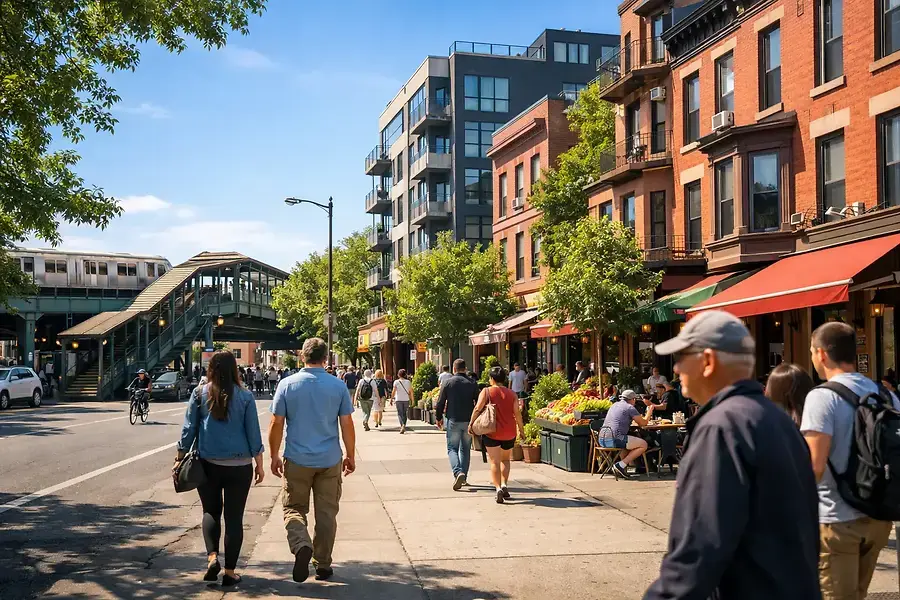
The Shift in NYC Real Estate Investment Strategy
For decades, Manhattan dominated the conversation around New York City real estate investment. However, the landscape has fundamentally changed. Savvy investors are increasingly recognizing that the real opportunities for growth and sustainable returns lie in Queens and the outer boroughs. This strategic shift reflects broader market dynamics: rising Manhattan prices have priced out many investors, while outer borough neighborhoods offer compelling value propositions with strong fundamentals.
The appeal is straightforward: lower entry prices, higher rental yields, and significant appreciation potential. As remote work becomes normalized and younger professionals seek more space for their money, demand for outer borough properties continues to surge. This creates a perfect storm of opportunity for investors willing to look beyond Manhattan's glittering skyline.
High-Growth Neighborhoods: Where Property Values Are Rising Fastest
Queens: The Borough of Opportunity
Queens has emerged as the crown jewel of outer borough investment. Neighborhoods like Astoria, Long Island City, and Forest Hills are experiencing remarkable transformation. Property values in these areas have appreciated significantly, with many investors reporting double-digit returns over the past few years.
- Astoria: Known for its vibrant cultural scene and excellent transportation links, Astoria attracts young professionals and families alike. The neighborhood's walkability and diverse dining options make it increasingly desirable.
- Long Island City: This waterfront neighborhood has undergone dramatic revitalization. Modern developments and proximity to Manhattan make it attractive for both owner-occupants and investors seeking rental income.
- Forest Hills: Offering more spacious properties and a suburban feel while maintaining urban convenience, Forest Hills appeals to families and investors seeking larger units with higher rental potential.
Brooklyn's Continued Momentum
While Brooklyn has already experienced significant appreciation, emerging neighborhoods still offer solid investment opportunities. Areas like Sunset Park and Williamsburg's outer edges continue to attract investment capital and new residents seeking authentic community experiences.
The Bronx and Staten Island: The Frontier
For truly adventurous investors, the Bronx and Staten Island represent the next frontier. Property prices remain remarkably affordable, while infrastructure improvements and community development projects are laying the groundwork for future appreciation. Early investors in these boroughs could position themselves for exceptional long-term gains.
Rental Market Opportunities: Income Potential Across Queens and the Outer Boroughs
Strong Rental Demand Fundamentals
The rental market in outer boroughs is exceptionally strong. Several factors drive consistent demand:
- Population Growth: Young professionals, families, and immigrants continue to choose outer borough neighborhoods for their affordability and community character.
- Limited Supply: Unlike Manhattan, where new construction is abundant, outer boroughs have constrained housing supply relative to demand, supporting rental rates.
- Transportation Improvements: Ongoing subway and transit upgrades make commuting to Manhattan increasingly convenient, expanding the tenant pool.
Rental Income Potential
The numbers tell a compelling story. Rental yields in Queens neighborhoods often exceed 4-5% annually, compared to Manhattan's 2-3%. This means investors can achieve positive cash flow while building equity through appreciation. A $500,000 property generating $2,500 monthly rent provides both immediate income and long-term wealth building.
Tenant Quality and Stability
Outer borough tenants tend to be stable, long-term residents seeking community and value. This translates to lower turnover rates, reduced vacancy periods, and more predictable income streams. Professional families and established workers increasingly choose these neighborhoods, reducing the risk profile for investors.
Diversification Benefits
Investing across multiple outer borough properties allows investors to diversify their portfolios geographically. A portfolio spanning Queens, Brooklyn, and the Bronx reduces exposure to any single neighborhood's market fluctuations while capturing growth across the entire metropolitan area.
Positioning Your Portfolio for Success in Emerging Markets
Success in outer borough real estate requires strategic thinking. Location within neighborhoods matters enormously—proximity to subway stations, schools, and commercial districts significantly impacts both rental demand and appreciation potential. Properties within walking distance of transit hubs command premium rents and attract quality tenants.
Consider the following investment strategies:
- Buy and Hold: Purchase properties in high-growth neighborhoods and hold for long-term appreciation while collecting rental income. This strategy works exceptionally well in emerging markets with strong fundamentals.
- Value-Add Investing: Acquire properties below market value, make strategic improvements, and increase rents. Outer borough properties often offer renovation opportunities that significantly boost returns.
- Portfolio Building: Systematically acquire multiple properties across different neighborhoods to build a diversified income-generating portfolio.
The outer boroughs represent a rare convergence of favorable market conditions: affordable entry prices, strong rental demand, limited supply, and significant appreciation potential. While Manhattan will always command attention, the real wealth-building opportunities in NYC real estate increasingly lie in Queens, Brooklyn, the Bronx, and Staten Island.
For investors willing to look beyond Manhattan's shadow, the outer boroughs offer a compelling path to building substantial real estate wealth. The question isn't whether to invest in these emerging markets—it's how quickly you can position your portfolio to capture the opportunities before prices rise further.


