NYC Residential Real Estate: Neighborhood Comparisons and Home Values
Discover how property values, amenities, and lifestyle differ across New York's diverse neighborhoods to find your perfect fit.

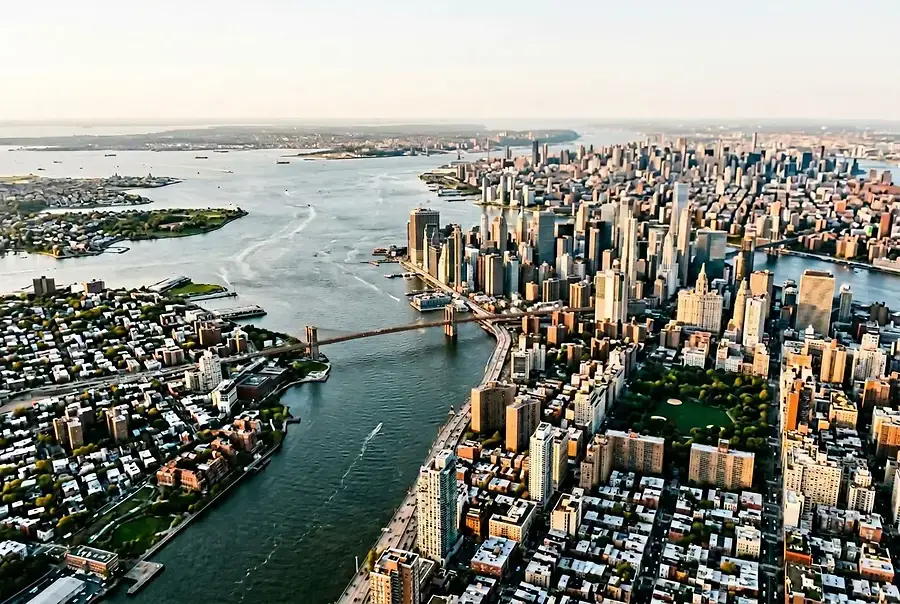
Understanding NYC's Residential Real Estate Landscape
New York City's residential real estate market is one of the most dynamic and competitive in the world. With five distinct boroughs—Manhattan, Brooklyn, Queens, The Bronx, and Staten Island—each neighborhood offers unique characteristics, price points, and lifestyle opportunities. Whether you're a first-time homebuyer, an investor, or someone looking to relocate, understanding the nuances of different neighborhoods is essential to making an informed decision.
The NYC housing market reflects the city's incredible diversity. From luxury penthouses in Manhattan to charming brownstones in Brooklyn and affordable family homes in Queens, there's something for nearly every budget and lifestyle preference. Property values vary dramatically based on location, proximity to transportation, school quality, and neighborhood amenities.
Neighborhood Profiles: Key Features and Property Value Ranges Across the Five Boroughs
Manhattan: Premium Living and Urban Sophistication
Manhattan remains the most expensive borough, with median home prices ranging from $1.2 million to $4 million+ depending on the neighborhood. Upper West Side and Upper East Side offer classic pre-war apartments and proximity to Central Park. SoHo and Tribeca feature luxury lofts and contemporary living spaces, while Midtown provides convenient access to business districts.
- Key Features: World-class dining, museums, Broadway theaters, and iconic landmarks
- Average Price Range: $1.2M - $4M+
- Best For: Professionals, luxury seekers, and those prioritizing walkability
Brooklyn: Trendy, Diverse, and Increasingly Expensive
Brooklyn has transformed into a vibrant residential destination with median prices ranging from $600,000 to $1.5 million. Williamsburg attracts young professionals with its arts scene and nightlife, while Park Slope appeals to families with tree-lined streets and proximity to Prospect Park. DUMBO offers stunning Manhattan views and upscale dining.
- Key Features: Thriving arts and culture scene, excellent restaurants, waterfront parks
- Average Price Range: $600K - $1.5M
- Best For: Young professionals, artists, families, and creative communities
Queens: Affordable Diversity and Growing Appeal
Queens offers the most affordable options in NYC, with median prices ranging from $400,000 to $800,000. Astoria is known for its diverse international communities and excellent food scene. Forest Hills provides a suburban feel with excellent schools, while Long Island City is rapidly developing with new residential towers and waterfront amenities.
- Key Features: Diverse neighborhoods, affordable housing, excellent public transportation
- Average Price Range: $400K - $800K
- Best For: Budget-conscious buyers, families, and those seeking cultural diversity
The Bronx: Emerging Neighborhoods and Best Value
The Bronx offers the best value in NYC, with median prices ranging from $250,000 to $500,000. Riverdale features spacious homes and a suburban atmosphere, while Mott Haven is experiencing revitalization with new development and cultural institutions. Fordham offers vibrant street life and affordable family housing.
- Key Features: Affordable pricing, emerging cultural scene, spacious properties
- Average Price Range: $250K - $500K
- Best For: Budget-conscious families, investors, and those seeking value
Staten Island: Suburban Living with Urban Access
Staten Island provides suburban living with median prices ranging from $350,000 to $650,000. Tottenville offers waterfront properties and a quiet community feel, while Great Kills provides excellent schools and family-friendly neighborhoods. The island features more space and greenery than other boroughs.
- Key Features: Suburban atmosphere, spacious homes, parks and green spaces
- Average Price Range: $350K - $650K
- Best For: Families seeking space, those prioritizing schools, and suburban lifestyle seekers
Lifestyle Factors: Commute Times, Schools, Parks, and Community Character by Area
Transportation and Commute Times
Proximity to public transportation significantly impacts property values and lifestyle quality. Manhattan and Brooklyn neighborhoods with direct subway access command premium prices. Queens and The Bronx offer longer commutes but more affordable housing. Consider your workplace location when evaluating neighborhoods—a 45-minute commute can significantly impact your quality of life.
Schools and Family Considerations
For families, school quality is paramount. Park Slope, Brooklyn and Forest Hills, Queens are renowned for excellent public schools. Upper West Side, Manhattan offers top-rated private schools. Riverdale, The Bronx provides strong schools with more affordable housing. Research school ratings and district performance before committing to a neighborhood.
Parks, Recreation, and Community Character
Access to green spaces enhances quality of life. Central Park makes Upper Manhattan neighborhoods highly desirable. Prospect Park is a major draw for Brooklyn residents. Flushing Meadows Corona Park serves Queens communities. Each neighborhood has distinct character—from Manhattan's fast-paced energy to Brooklyn's artistic vibe, Queens' multicultural atmosphere, and Staten Island's suburban tranquility.
"The best neighborhood isn't about the highest price tag—it's about finding where your lifestyle, budget, and values align."
Making Your Informed Decision in NYC's Competitive Housing Market
Choosing a NYC neighborhood requires balancing multiple factors: budget, commute time, schools, lifestyle preferences, and long-term investment potential. Start by defining your priorities. Are you seeking walkability and urban energy, or do you prefer space and community feel? Do you need excellent schools, or are you prioritizing nightlife and dining?
Key Steps for Your Decision:
- Establish your realistic budget and get pre-approved for financing
- Visit neighborhoods at different times of day to experience the community character
- Research commute times to your workplace using public transportation
- Investigate school ratings and community amenities
- Consider future development plans and neighborhood trajectory
- Work with a knowledgeable real estate agent familiar with your target neighborhoods
NYC's residential real estate market offers opportunities for every lifestyle and budget. Whether you're drawn to Manhattan's sophistication, Brooklyn's creativity, Queens' diversity, The Bronx's emerging potential, or Staten Island's suburban charm, taking time to understand each neighborhood's unique characteristics will help you find your perfect fit in this extraordinary city.