Oak Island Waterfront vs. Inland: Choosing the Right Residential Property
Discover how location within Oak Island affects property values, lifestyle, and long-term investment potential for residential buyers.

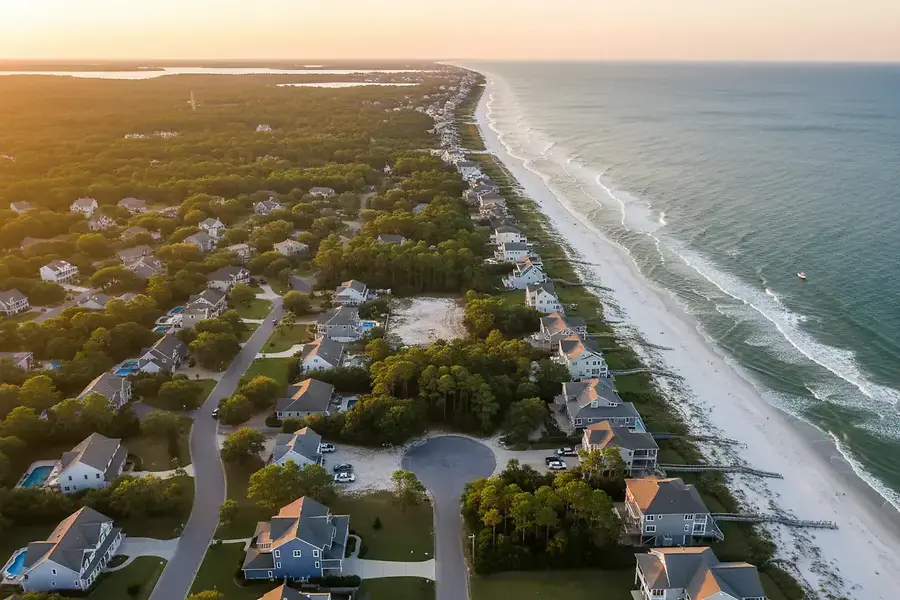
Introduction: Understanding Oak Island's Residential Landscape
Oak Island has emerged as one of the most sought-after residential destinations, offering diverse living experiences that cater to different lifestyles and investment goals. Whether you're drawn to the allure of waterfront living or the practicality of inland properties, understanding the distinctions between these two location types is essential for making an informed decision. The choice between waterfront and inland properties extends far beyond aesthetics—it encompasses financial considerations, maintenance responsibilities, community dynamics, and long-term value appreciation.
The residential market on Oak Island presents unique opportunities for buyers seeking either a vacation retreat, primary residence, or investment property. Each location type offers distinct advantages and challenges that deserve careful consideration before committing to a purchase.
Waterfront Properties: Premium Pricing, Direct Water Access, and Maintenance Considerations
The Appeal of Waterfront Living
Waterfront properties on Oak Island command premium prices, and for good reason. These residences offer unparalleled direct access to water activities, stunning sunrise and sunset views, and a lifestyle centered around the natural beauty of coastal living. Homeowners enjoy the privilege of private beach access, boating opportunities, and the therapeutic benefits of living adjacent to water.
The investment potential of waterfront properties has historically been strong, with these homes appreciating at rates that often exceed inland counterparts. The scarcity of waterfront land creates natural demand, supporting property values even during market fluctuations.
Financial Considerations and Hidden Costs
While waterfront properties offer prestige and lifestyle benefits, buyers must understand the financial implications:
- Higher Purchase Prices: Waterfront homes typically cost 30-50% more than comparable inland properties
- Elevated Insurance Costs: Flood insurance and coastal hazard insurance premiums are significantly higher
- Property Taxes: Waterfront assessments often result in higher annual tax obligations
- Maintenance Expenses: Salt air corrosion, storm damage exposure, and specialized repairs increase upkeep costs
Maintenance and Environmental Challenges
Waterfront living requires commitment to ongoing maintenance. Salt spray accelerates deterioration of exterior materials, requiring more frequent painting, sealing, and repairs. Storm surge and hurricane exposure present additional risks that necessitate robust insurance coverage and potentially costly structural reinforcements. Erosion management and bulkhead maintenance are ongoing concerns that can demand significant investment.
Environmental factors also play a role—rising sea levels and increased storm intensity are considerations for long-term waterfront property ownership. Prospective buyers should research flood zones, elevation certificates, and local climate projections before investing.
Inland Residential Homes: Value, Community, and Hidden Advantages
Affordability and Value Proposition
Inland properties offer substantial financial advantages for budget-conscious buyers and investors. These homes typically cost 30-50% less than waterfront equivalents, allowing buyers to invest in larger homes, better amenities, or maintain greater financial flexibility. The lower purchase price translates to reduced mortgage obligations and more manageable property taxes.
For first-time homebuyers or those building investment portfolios, inland properties provide an accessible entry point into the Oak Island market without sacrificing quality or location appeal.
Community and Lifestyle Benefits
Inland neighborhoods often feature stronger community bonds and more established social networks. These areas typically include:
- Family-oriented communities with excellent schools and recreational facilities
- Established neighborhood associations and community events
- Proximity to shopping, dining, and entertainment venues
- Lower crime rates and enhanced security in many neighborhoods
- More diverse demographic composition and cultural activities
Practical Advantages and Lower Maintenance
Inland homes require significantly less specialized maintenance. Without salt air exposure, exterior materials last longer, reducing painting and sealing frequency. Insurance costs are substantially lower, and property taxes reflect more moderate assessments. Homeowners enjoy greater peace of mind regarding environmental hazards and storm exposure.
Flexibility and customization are additional benefits—inland properties often sit on larger lots, providing opportunities for landscaping, additions, or outdoor improvements. The reduced maintenance burden allows owners to focus on enjoying their homes rather than managing constant repairs.
Making Your Decision: Which Location Type Aligns with Your Lifestyle and Investment Goals
Assessing Your Priorities
The waterfront versus inland decision ultimately depends on your personal priorities and financial situation. Consider these key questions:
- Lifestyle: Do you prioritize water access and coastal living, or do you value community engagement and convenience?
- Budget: Can you comfortably afford waterfront pricing, or does inland affordability better suit your financial goals?
- Maintenance Tolerance: Are you prepared for ongoing specialized maintenance, or do you prefer lower-maintenance living?
- Investment Timeline: Are you seeking short-term appreciation or long-term wealth building?
- Risk Tolerance: How comfortable are you with environmental and weather-related risks?
Investment Perspective
From an investment standpoint, waterfront properties offer higher appreciation potential but require greater capital investment and ongoing expenses. Inland properties provide steady, reliable appreciation with lower carrying costs and broader appeal to potential renters or future buyers.
The best property investment is one that aligns with your financial capacity, lifestyle preferences, and long-term goals rather than simply chasing the most prestigious address.
The Verdict
Both waterfront and inland properties on Oak Island offer legitimate value propositions. Waterfront homes suit buyers who prioritize lifestyle amenities, have substantial financial resources, and view their property as a luxury investment. Inland properties appeal to practical investors, families seeking community connection, and buyers maximizing their purchasing power.
Take time to explore both options, consult with local real estate professionals, and honestly assess your priorities. The right choice isn't about which location is objectively better—it's about which aligns best with your unique circumstances, goals, and vision for your Oak Island home.


