Oklahoma City Mixed-Use Properties: Investment Guide for 2025
Discover how residential-commercial hybrid properties are reshaping Oklahoma City's real estate landscape and creating unique investment opportunities.

Introduction: Understanding Mixed-Use Real Estate in Oklahoma City
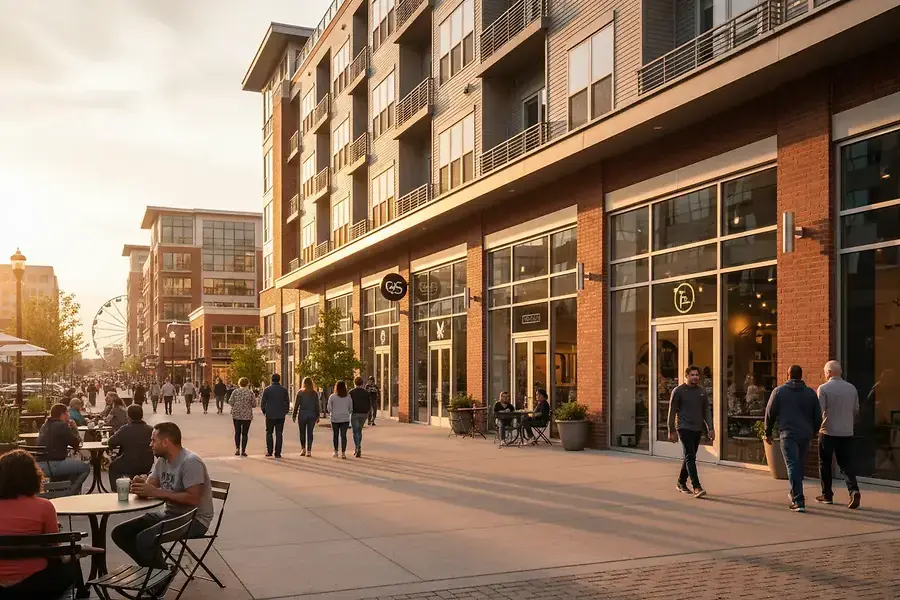
Mixed-use properties represent one of the most dynamic segments of Oklahoma City's real estate market. These properties combine residential units with commercial spaces—such as retail shops, offices, restaurants, or service providers—under one roof or within the same development. This hybrid approach creates a unique investment opportunity that appeals to both seasoned investors and newcomers looking to diversify their portfolios.
Oklahoma City has experienced significant growth and revitalization in recent years, making it an ideal location for mixed-use development. The city's affordable cost of living, growing population, and business-friendly environment have attracted developers and investors seeking properties that can generate multiple revenue streams while meeting the community's evolving needs.
Market Trends: Why Residential-Commercial Properties Are Growing in Demand
Urban Revitalization and Walkability
Oklahoma City's urban core has undergone remarkable transformation. Neighborhoods like Midtown, Bricktown, and the Plaza District have become increasingly popular as residents seek walkable communities where they can live, work, and shop without relying solely on automobiles. Mixed-use properties perfectly align with this lifestyle preference, making them highly desirable in these emerging neighborhoods.
Post-Pandemic Shift in Work Patterns
The rise of remote work and flexible employment arrangements has changed how people view their living and working spaces. Mixed-use properties offer the flexibility to accommodate home offices, co-working spaces, and small business operations alongside residential units, creating properties that adapt to modern work-life integration.
Investor Interest and Capital Flow
Institutional investors and real estate funds have increasingly focused on mixed-use developments as a way to achieve portfolio diversification. This influx of capital has driven property values upward and created more opportunities for individual investors to participate in this growing market segment.
Consumer Preference for Convenience
Today's residents increasingly prefer properties where essential services, dining, and entertainment are within walking distance. Mixed-use developments cater to this demand by creating vibrant communities that offer convenience and lifestyle amenities, making them attractive to renters and buyers alike.
Key Benefits: Income Potential, Flexibility, and Long-Term Value
Multiple Revenue Streams
The primary advantage of mixed-use properties is their ability to generate income from multiple sources. Investors can collect residential rental income while simultaneously earning revenue from commercial tenants. This diversification reduces dependency on any single tenant or market segment, providing greater financial stability.
Example income sources include:
- Residential apartment or condo rentals
- Ground-floor retail or restaurant leases
- Office space for professional services
- Parking revenue
- Shared amenity fees
Risk Mitigation Through Diversification
If the residential market experiences a downturn, commercial tenants may remain stable, and vice versa. This natural hedge protects your investment from market volatility affecting a single property type. Additionally, mixed-use properties often attract more qualified tenants and maintain higher occupancy rates compared to single-use properties.
Flexibility and Adaptability
Mixed-use properties offer flexibility in how you structure your investment. You can choose to manage the property yourself, hire professional management, or focus on specific tenant types. As market conditions change, you can adjust your tenant mix to capitalize on emerging opportunities without major capital expenditures.
Long-Term Appreciation Potential
Properties in Oklahoma City's revitalized neighborhoods have demonstrated strong appreciation potential. Mixed-use developments, particularly those in high-traffic areas with strong foot traffic, tend to appreciate faster than single-use properties. The combination of residential and commercial appeal broadens the potential buyer pool, supporting long-term value growth.
Tax Advantages
Mixed-use property investors can benefit from various tax deductions including depreciation, maintenance costs, property management fees, and mortgage interest. Consulting with a tax professional can help you maximize these benefits and optimize your investment structure.
Getting Started: What Oklahoma City Buyers Need to Know Before Investing
Conduct Thorough Market Research
Before investing, research specific neighborhoods and their growth trajectories. Look for areas with strong population growth, business development, and infrastructure improvements. Oklahoma City's Midtown, Bricktown, and emerging neighborhoods in the south and east offer different opportunities—each with distinct risk-return profiles.
Understand Zoning and Regulations
Mixed-use properties operate under specific zoning regulations that vary by neighborhood. Verify that the property's current use complies with local zoning laws and that your intended use is permitted. Understanding parking requirements, building codes, and occupancy limits is crucial before making an investment decision.
Evaluate the Tenant Mix and Lease Terms
Examine existing leases carefully, including lease terms, renewal dates, and tenant quality. Strong, long-term leases with creditworthy tenants provide income stability. Consider the commercial tenant mix—properties with diverse, complementary businesses tend to perform better than those dependent on a single anchor tenant.
Assess Financial Performance
Request detailed financial statements including gross rental income, operating expenses, and net operating income (NOI). Calculate key metrics such as cap rate, cash-on-cash return, and debt service coverage ratio. These metrics help you compare properties and determine if the investment meets your financial goals.
Consider Location and Accessibility
Location is paramount for mixed-use properties. Properties with high visibility, good parking, public transportation access, and proximity to complementary businesses perform better. Walk the neighborhood at different times of day to assess foot traffic, safety, and overall viability.
Work with Experienced Professionals
Partner with real estate agents familiar with mixed-use properties, commercial brokers, property managers experienced in mixed-use operations, and accountants knowledgeable about real estate investments. Their expertise will help you navigate the complexities of mixed-use investing and avoid costly mistakes.
Plan for Management Complexity
Mixed-use properties require more sophisticated management than single-use properties. You'll need to coordinate between residential and commercial tenants, manage different lease types, and handle diverse maintenance needs. Budget for professional property management if you lack experience in this area.
Start with Due Diligence
Conduct thorough inspections of both residential and commercial spaces. Identify any deferred maintenance, code violations, or structural issues. Understanding the property's true condition helps you negotiate better terms and plan for necessary improvements.
Mixed-use properties in Oklahoma City represent a compelling investment opportunity for those willing to understand the market and manage the added complexity. By combining residential and commercial revenue streams, these properties offer the potential for superior returns, diversified income, and long-term appreciation. As Oklahoma City continues to grow and evolve, mixed-use developments will likely remain at the forefront of the city's real estate transformation, offering savvy investors the chance to participate in the city's continued success.


