Omaha Home Selling: Pricing Your Property for Maximum Profit
Discover the proven pricing strategies local Omaha sellers use to attract serious buyers and close faster.

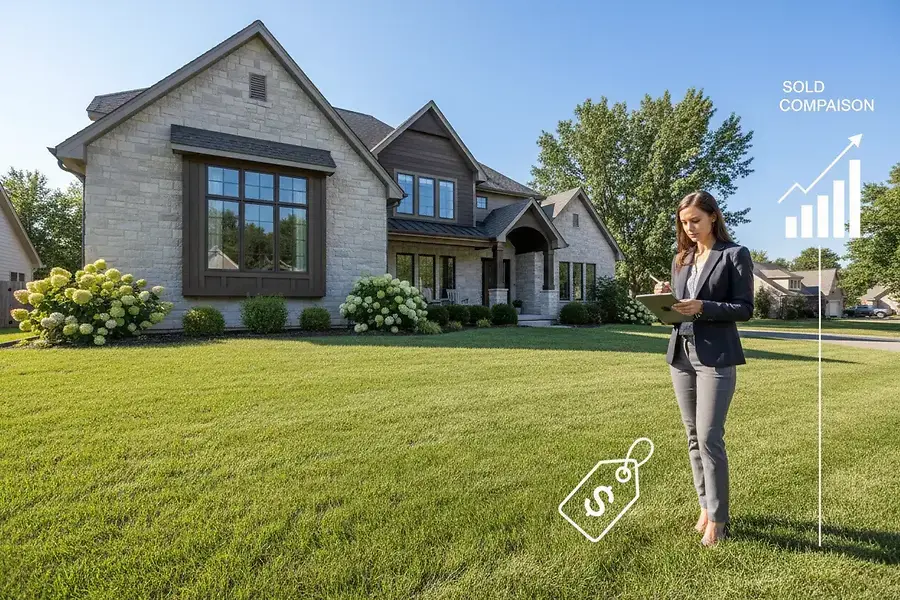
Understanding Omaha's Current Real Estate Market Conditions
The Omaha real estate market continues to evolve with unique dynamics that directly impact how you should price your home. Unlike national trends that may not apply locally, Omaha's market has its own rhythm shaped by local economic factors, population growth, and neighborhood-specific demand.
Currently, Omaha is experiencing steady interest from both local and out-of-state buyers attracted by the city's affordable housing compared to coastal markets, strong job growth, and quality of life. Understanding these conditions is crucial before you list your property. The market isn't one-size-fits-all—different neighborhoods experience different levels of buyer demand and appreciation rates.
Key Market Indicators to Monitor
Before setting your price, pay attention to:
- Days on Market (DOM): How quickly homes in your neighborhood are selling
- Inventory Levels: Whether it's a buyer's or seller's market in your area
- Price Trends: Whether values are appreciating or depreciating in your specific neighborhood
- Buyer Demographics: Who is buying in your area and what they're looking for
These indicators help you understand whether you're in a competitive market where pricing aggressively matters, or a slower market where you need to be more strategic.
How to Analyze Comparable Sales in Your Neighborhood
The foundation of smart pricing is analyzing comparable sales—homes similar to yours that have sold recently. This process, called "comping," removes emotion from pricing decisions and grounds your strategy in market reality.
Finding the Right Comparables
Start by identifying homes that are truly comparable to yours. Look for properties that:
- Sold within the last 3-6 months in your neighborhood
- Have similar square footage (within 10-15%)
- Feature comparable lot sizes and layouts
- Have similar age and condition
- Offer equivalent amenities and features
Pro Tip: Focus on homes in your immediate neighborhood first. Omaha neighborhoods can vary significantly in desirability and pricing, so a home two miles away might not be truly comparable.
Adjusting for Differences
No two homes are identical. When analyzing comparables, adjust prices based on differences:
- Add value for upgrades like updated kitchens, bathrooms, or flooring
- Subtract for needed repairs or outdated systems
- Account for lot size differences and outdoor features
- Consider location advantages like proximity to schools or parks
This adjustment process helps you arrive at a realistic price range rather than a single number. You should typically have 3-5 solid comparables to establish a reliable price range.
Setting the Right Price: Balancing Competitiveness and Profit
Once you understand your market and have analyzed comparables, it's time to set your price. This is where strategy meets psychology—you need to attract buyers while maximizing your return.
The Psychology of Pricing
Pricing isn't purely mathematical. Buyers often search within price ranges, and strategic pricing can dramatically increase visibility. A home priced at $299,900 appears in searches for homes under $300,000, while one priced at $300,100 doesn't.
However, overpricing to capture searches is a common mistake. Buyers and their agents quickly recognize overpriced homes, and you'll attract fewer serious inquiries.
The Three-Tier Pricing Strategy
Consider these three pricing approaches:
- Aggressive Pricing: Price at or slightly below market value to generate immediate interest and multiple offers. This works well in competitive markets or if you need to sell quickly.
- Market Pricing: Price at the high end of your comparable range. This attracts serious buyers while maximizing profit potential.
- Premium Pricing: Price above comparables if your home has exceptional features, upgrades, or location advantages. This requires strong justification and appeals to specific buyer profiles.
Your choice depends on your timeline, market conditions, and home's unique qualities. There's no universal "best" strategy—it depends on your specific situation.
Testing Your Price
After listing, monitor buyer response carefully. If you're receiving multiple showings and inquiries within the first week, your price is likely competitive. If interest is slow, you may need to adjust downward. Most successful Omaha sellers are willing to make a small price adjustment within the first 2-3 weeks if needed.
Common Pricing Mistakes Omaha Sellers Should Avoid
Learning from others' mistakes can save you thousands of dollars and months of market time.
Mistake #1: Emotional Pricing
Your home is worth what buyers will pay for it, not what you paid for it or what you believe it's worth. Separate emotion from pricing decisions. Just because you invested $50,000 in renovations doesn't mean buyers will pay that premium if comparable homes don't support it.
Mistake #2: Ignoring Market Conditions
Pricing strategies that worked five years ago may not work today. Markets change, and your pricing must reflect current conditions. What worked for your neighbor last year might not work for you this year.
Mistake #3: Overpricing to Leave Room for Negotiation
Many sellers overprice thinking they'll negotiate down. This backfires because:
- Overpriced homes get fewer showings
- Appraisals often come in lower than inflated asking prices
- Serious buyers skip overpriced homes entirely
- You lose momentum in the market
It's better to price right and negotiate from a position of strength with interested buyers.
Mistake #4: Neglecting the Competition
Don't price in a vacuum. Regularly check what other homes in your neighborhood are listed for and how they're performing. If three similar homes are listed at $350,000 and yours is at $365,000, you need a compelling reason for the premium.
Mistake #5: Failing to Adjust When Needed
Pride prevents many sellers from adjusting their price when the market tells them to.
A price reduction after 30 days on market is far better than sitting unsold for six months.Early adjustments signal to buyers that you're serious about selling and can reignite interest.
Moving Forward with Confidence
Pricing your Omaha home correctly is both an art and a science. By understanding your market, analyzing comparables thoroughly, and avoiding common mistakes, you'll position yourself to attract serious buyers and maximize your profit. Remember, the best price is one that sells your home in a reasonable timeframe while putting the most money in your pocket.
Consider working with a local real estate professional who understands Omaha's neighborhoods intimately. They can provide current market data, help you analyze comparables, and guide you through pricing adjustments if needed. Your pricing decision today will directly impact your financial outcome tomorrow.