Omaha Metro Suburbs: Neighborhood Profiles and Market Trends
Discover what makes Elkhorn, Valley, Gretna, Fremont, and Omaha's residential communities unique investment opportunities.

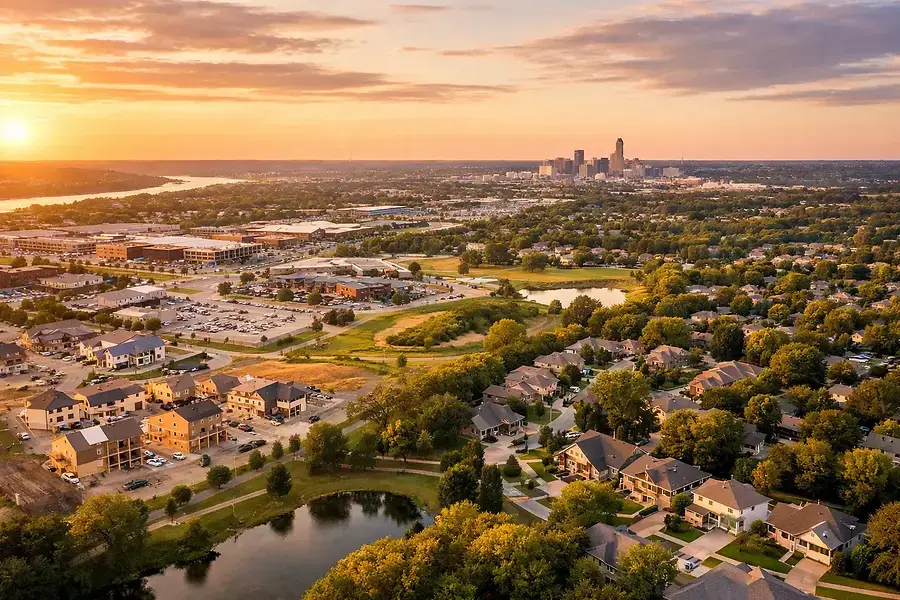
Understanding the Omaha Metro Residential Market
The Omaha metropolitan area has emerged as one of the Midwest's most dynamic real estate markets, attracting investors and homebuyers seeking value, growth potential, and quality of life. The region's diverse neighborhoods offer distinct characteristics that cater to different buyer profiles, from young professionals to established families. Understanding these communities and their market dynamics is essential for anyone considering a real estate investment in the area.
The Omaha metro continues to benefit from strong economic fundamentals, including a stable job market, affordable housing compared to national averages, and consistent population growth. This combination creates a favorable environment for both residential appreciation and rental income potential.
Neighborhood Profiles: Lifestyle, Amenities, and Demographics
Elkhorn: The Family-Friendly Hub
Elkhorn stands out as one of the most sought-after suburban communities in the Omaha metro. This rapidly developing area is characterized by newer construction, excellent schools, and family-oriented amenities. The neighborhood features modern shopping centers, parks, and recreational facilities that appeal to young families and professionals.
- Demographics: Predominantly families with children, median age in the 30s
- Key Amenities: Top-rated schools, Elkhorn Village shopping center, extensive trail systems
- Housing Stock: Mix of new construction and established homes, ranging from $250,000 to $500,000+
Valley: Suburban Charm with Urban Convenience
Valley offers a balanced lifestyle, combining suburban tranquility with easy access to Omaha's urban amenities. This community appeals to buyers seeking established neighborhoods with mature trees, well-maintained properties, and a strong sense of community.
- Demographics: Mix of families and empty nesters, diverse age groups
- Key Amenities: Community parks, local restaurants, shopping districts, proximity to downtown
- Housing Stock: Established homes with character, typically $200,000 to $400,000
Gretna: Growing Opportunity Zone
Gretna represents an emerging opportunity for investors seeking appreciation potential. Located southwest of Omaha, this community is experiencing significant growth with new residential developments and commercial expansion. The area attracts buyers looking for newer homes at competitive prices before the market fully matures.
- Demographics: Young families and first-time homebuyers, growing population
- Key Amenities: New schools, developing retail centers, recreational facilities
- Housing Stock: Primarily new construction, $220,000 to $420,000
Fremont: Small-Town Appeal with Growth Potential
Fremont, located north of Omaha, offers small-town character with increasing economic development. The community benefits from lower price points than closer-in suburbs while maintaining strong fundamentals and future growth prospects. It appeals to value-conscious investors and those seeking a quieter lifestyle.
- Demographics: Mix of retirees, families, and young professionals
- Key Amenities: Historic downtown, parks, local businesses, lower cost of living
- Housing Stock: Diverse inventory, $150,000 to $350,000
Central Omaha: Urban Living and Investment Stability
Central Omaha neighborhoods offer walkable urban living with established infrastructure and cultural amenities. These areas attract professionals, investors seeking rental income, and those valuing proximity to employment centers and entertainment.
- Demographics: Young professionals, investors, diverse population
- Key Amenities: Restaurants, entertainment, cultural institutions, public transportation
- Housing Stock: Mix of condos, townhomes, and renovated homes, $180,000 to $450,000+
Market Trends: Pricing Patterns, Appreciation Rates, and Buyer Demand
Pricing Dynamics Across Communities
The Omaha metro real estate market demonstrates distinct pricing patterns across neighborhoods. Elkhorn commands premium prices due to its popularity and school reputation, while Gretna and Fremont offer entry points for budget-conscious buyers. Central Omaha pricing varies significantly by specific neighborhood, with some areas showing strong appreciation potential.
Current market conditions show:
- Moderate inventory levels across most communities
- Competitive pricing in high-demand areas like Elkhorn
- Emerging value opportunities in developing suburbs like Gretna
- Stable pricing in established neighborhoods like Valley
Appreciation Rates and Investment Potential
Historical data indicates that Omaha metro neighborhoods appreciate at rates ranging from 2-4% annually, with variation based on location and market conditions. Emerging communities like Gretna show stronger appreciation potential as infrastructure develops and population grows. Established neighborhoods provide more stable, predictable returns.
Investment considerations:
- Gretna and Fremont offer higher growth potential for long-term investors
- Elkhorn provides stability and consistent demand
- Central Omaha offers rental income opportunities and urban appreciation
- Valley balances stability with moderate appreciation
Buyer Demand and Market Drivers
Demand in the Omaha metro remains strong, driven by several factors: corporate relocations, quality of life considerations, affordable housing compared to coastal markets, and strong employment opportunities. First-time homebuyers gravitate toward Gretna and Fremont, while established families prefer Elkhorn. Urban professionals favor Central Omaha neighborhoods.
The rental market also shows strength, with investors finding favorable cap rates and steady tenant demand across all communities. This dual appeal—both owner-occupied and investment properties—supports market stability.
Positioning Your Real Estate Strategy in the Omaha Metro Area
Success in the Omaha metro real estate market requires understanding your investment goals and matching them to the right community. For appreciation-focused investors, emerging areas like Gretna and Fremont offer growth potential at reasonable entry prices. For stability-seeking buyers, Elkhorn and Valley provide established communities with proven demand and consistent performance.
For rental income investors, Central Omaha neighborhoods and Elkhorn both demonstrate strong tenant demand and favorable cash flow potential. For first-time homebuyers, Gretna and Fremont offer accessible entry points with new construction and modern amenities.
The Omaha metro area continues to present compelling opportunities across multiple neighborhoods and investment strategies. Whether you're seeking a primary residence, investment property, or portfolio diversification, understanding these communities' unique characteristics and market dynamics positions you for success. Work with local real estate professionals who understand these neighborhoods' nuances to make informed decisions aligned with your financial goals.
The key to real estate success in Omaha is matching your investment strategy to the right community at the right time.


