Omaha Real Estate Investment: Building Wealth Through Residential Properties
Discover proven strategies for identifying high-potential residential investments in Omaha's growing market.

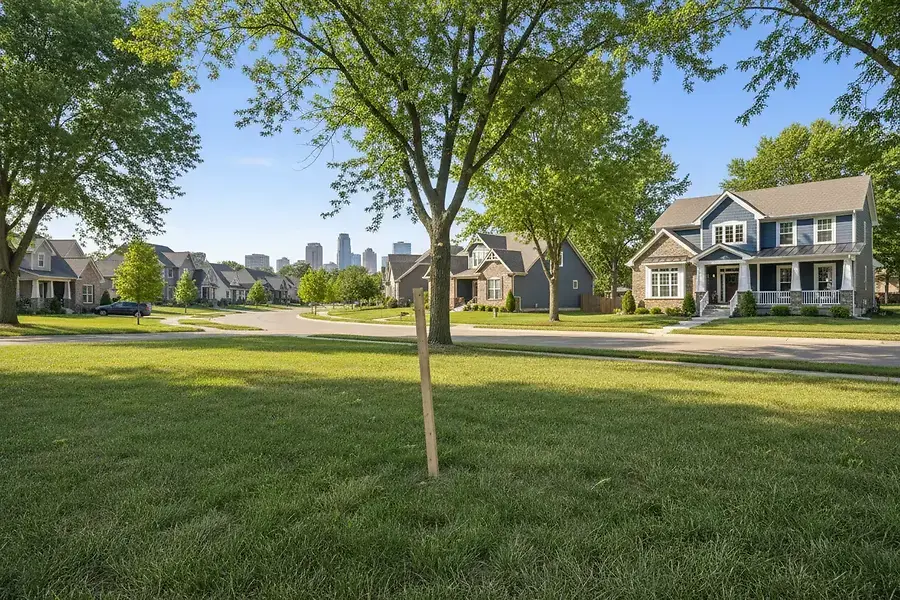
Understanding Omaha's Residential Real Estate Market Fundamentals
Omaha has emerged as one of the most compelling real estate investment destinations in the Midwest. The city's strong economic foundation, driven by major corporations and financial institutions, creates a stable environment for residential property investors. Unlike volatile coastal markets, Omaha offers sustainable growth with reasonable entry prices and solid rental demand.
The residential market in Omaha is characterized by several key advantages:
- Affordable Entry Points: Property prices remain significantly lower than national averages, allowing investors to build diversified portfolios with less capital.
- Strong Rental Demand: A growing population and steady job market ensure consistent tenant availability and competitive rental rates.
- Appreciation Potential: Historical data shows steady property value growth, with neighborhoods experiencing 3-5% annual appreciation.
- Low Vacancy Rates: Omaha maintains lower vacancy rates compared to national averages, reducing investor risk.
Understanding these fundamentals helps investors recognize why Omaha represents a smart long-term investment choice. The city's diversified economy, anchored by healthcare, insurance, and technology sectors, provides job stability that supports housing demand.
Key Neighborhoods and Investment Opportunities for Long-Term Growth
Established Growth Corridors
Several neighborhoods have demonstrated consistent appreciation and strong rental performance. West Omaha continues to attract families and young professionals, with properties appreciating steadily. The area offers excellent schools, modern amenities, and proximity to employment centers, making it ideal for buy-and-hold investors seeking long-term appreciation.
Dundee and Benson represent emerging opportunities for investors seeking value. These neighborhoods combine historic charm with modern revitalization efforts, attracting younger demographics and creative professionals. Properties here offer better entry prices while positioned for significant appreciation as neighborhood improvements continue.
Up-and-Coming Areas
Savvy investors should consider neighborhoods experiencing early-stage revitalization. South Omaha presents compelling opportunities for those willing to invest in emerging areas. With ongoing infrastructure improvements and increasing commercial activity, these neighborhoods offer higher appreciation potential for patient investors.
The key to success in emerging neighborhoods is identifying areas with:
- Active community development initiatives
- Planned commercial or retail expansion
- Improving school ratings and public services
- Growing population demographics
Financing Strategies and Building Your Investment Portfolio
Conventional Investment Financing
Most residential investors utilize conventional mortgages with 20-25% down payments. This approach provides favorable interest rates while maintaining positive cash flow. Working with lenders experienced in investment properties is crucial, as they understand the unique requirements of rental properties and can structure loans accordingly.
Consider these financing approaches:
- Traditional Investment Mortgages: Offer competitive rates for qualified investors with solid credit and reserves.
- Portfolio Loans: Ideal for investors purchasing multiple properties, allowing flexible terms across your portfolio.
- Home Equity Lines of Credit: Leverage existing equity to fund additional investments with lower rates.
Building Your Investment Strategy
Successful investors approach Omaha real estate with a clear strategy. Define your investment goals first—whether you're seeking monthly cash flow, long-term appreciation, or a combination of both. This clarity guides property selection and financing decisions.
The most successful real estate investors treat their portfolio like a business, not a hobby. They analyze numbers carefully, understand their market, and make decisions based on data rather than emotion.
Portfolio Diversification
Rather than concentrating investments in a single neighborhood, consider spreading properties across different areas. This approach reduces risk while capturing growth opportunities in multiple markets. A balanced portfolio might include:
- One or two established properties in stable neighborhoods for consistent cash flow
- One emerging-area property for appreciation potential
- Properties with different tenant profiles (families, young professionals, retirees)
Financial Metrics That Matter
Evaluate every potential investment using key metrics. Cash-on-cash return measures your annual profit relative to your initial investment. Cap rate (capitalization rate) indicates the property's income-generating potential. Most Omaha residential investments offer cap rates between 5-8%, providing solid returns compared to other investment vehicles.
Calculate your break-even point carefully, accounting for:
- Mortgage payments and interest
- Property taxes and insurance
- Maintenance and repairs (budget 1% of property value annually)
- Property management fees (8-12% of rental income)
- Vacancy allowance (5-10% of potential rental income)
Conclusion: Taking Action on Your Omaha Investment Goals
Omaha's residential real estate market offers genuine wealth-building opportunities for informed investors. The combination of affordable entry prices, strong rental demand, and steady appreciation creates an ideal environment for building a profitable investment portfolio.
Your next steps should include:
- Research neighborhoods that align with your investment goals and risk tolerance
- Connect with local real estate professionals who understand investment properties
- Analyze potential properties using sound financial metrics
- Secure financing from lenders experienced with investment properties
- Start with one property to build experience and capital for future investments
The best time to invest in Omaha real estate is when you're ready to commit to a long-term strategy. Don't wait for the perfect property—instead, focus on finding good properties at reasonable prices and executing your investment plan consistently. Over time, this disciplined approach builds significant wealth through residential real estate.
Omaha's market rewards patient, informed investors who understand the fundamentals and stay focused on their goals. Begin your journey today by taking that first step toward financial independence through real estate investment.


