Orinda Home Inspections: Essential Buyer's Guide to Property Assessment
Discover the critical inspection points that protect your investment and reveal hidden issues before closing.

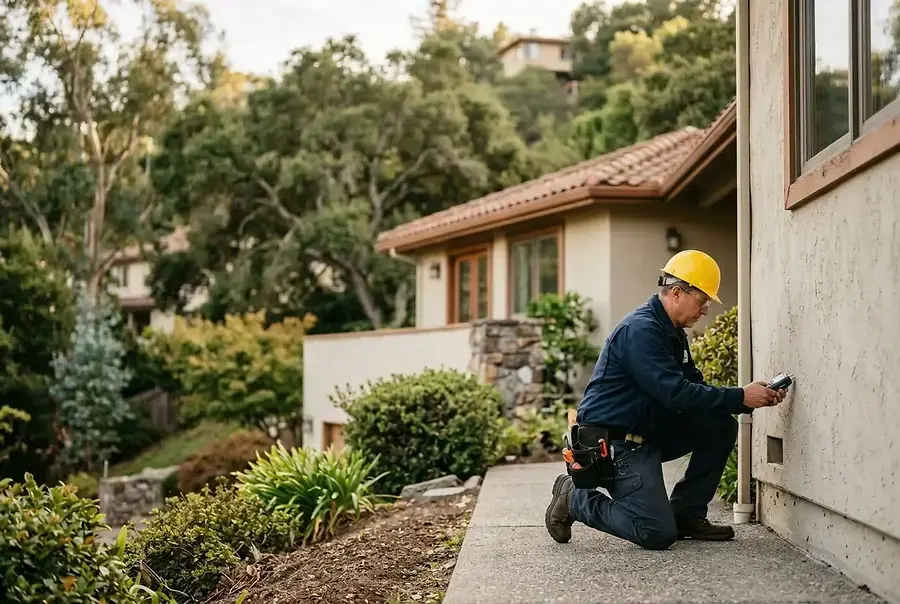
Why Home Inspections Matter in Orinda's Competitive Market
In Orinda's fast-paced real estate market, home inspections serve as your most valuable safeguard against costly surprises. With properties moving quickly and competition fierce, many buyers feel pressured to waive inspections or skip thorough evaluations. This is a critical mistake that can cost tens of thousands of dollars down the road.
A professional home inspection provides an objective, detailed assessment of a property's condition before you commit to the purchase. In Orinda, where homes range from charming mid-century residences to modern estates, each property presents unique challenges. An experienced inspector understands the specific issues common to the area's architectural styles and climate conditions.
The inspection protects your investment by:
- Identifying structural issues that may require expensive repairs
- Revealing hidden problems in electrical, plumbing, and HVAC systems
- Assessing the condition of roofs, foundations, and exterior elements
- Documenting safety hazards that need immediate attention
- Providing negotiating leverage for repair costs or price adjustments
Without a thorough inspection, you're essentially buying blind—accepting whatever condition the property is in without understanding the true cost of ownership.
Key Areas Inspectors Evaluate and Red Flags to Watch For
Structural Integrity and Foundation
The foundation is the backbone of any home. Inspectors examine foundations for cracks, settling, water damage, and signs of movement. In Orinda, where properties sit on hillsides and varied soil types, foundation issues are particularly important to assess.
Red flags include: Horizontal cracks wider than 1/8 inch, bowing walls, gaps between walls and floors, or evidence of previous repairs without proper engineering.
Roof and Exterior
Your roof is your home's first line of defense against the elements. Inspectors evaluate roof age, material condition, flashing integrity, and ventilation. They also assess siding, gutters, windows, and doors for water intrusion risks.
Red flags include: Missing or damaged shingles, sagging roof lines, rust stains on gutters, rotted wood trim, or evidence of water damage on exterior walls.
Electrical Systems
Outdated or faulty electrical systems pose serious safety risks and may not support modern appliance demands. Inspectors check the main panel, wiring, outlets, and grounding to ensure everything meets current safety codes.
Red flags include: Aluminum wiring (fire hazard), outdated fuse boxes, insufficient amperage, exposed wiring, or outlets that don't work properly.
Plumbing and Water Systems
Water damage is one of the most expensive problems homeowners face. Inspectors test water pressure, check for leaks, examine pipe materials, and assess water heater condition. They also look for signs of past water damage in crawl spaces and basements.
Red flags include: Low water pressure, slow drains, visible leaks, corroded pipes, water stains on ceilings or walls, or an aging water heater nearing the end of its lifespan.
HVAC Systems
Heating and cooling systems are essential for comfort and can be expensive to replace. Inspectors evaluate furnaces, air conditioners, and ductwork for proper operation and maintenance.
Red flags include: Systems over 15 years old, inadequate heating or cooling, rust or corrosion, missing maintenance records, or unusual noises during operation.
Insulation and Ventilation
Proper insulation and ventilation affect energy efficiency and prevent moisture problems. Inspectors assess attic insulation levels, ventilation adequacy, and signs of moisture accumulation.
Red flags include: Inadequate insulation, blocked vents, mold growth, or excessive moisture in attic spaces.
Navigating Inspection Reports and Negotiating Repairs
Understanding Your Inspection Report
A comprehensive inspection report documents findings in detail, typically organized by system and severity level. Reports usually categorize issues as:
- Critical: Safety hazards or major structural problems requiring immediate attention
- Major: Significant defects that will likely need repair soon
- Minor: Small issues that don't affect safety or function but should be monitored
- Informational: Notes about maintenance or observations for future reference
Take time to review the report thoroughly and ask your inspector to clarify any findings. Don't hesitate to request a follow-up conversation—a good inspector will gladly explain their findings and answer your questions.
Prioritizing Issues
Not all inspection findings require negotiation. Focus on critical and major issues that affect safety, structural integrity, or significant systems. Minor cosmetic issues or routine maintenance items typically aren't worth negotiating.
Consider these factors when prioritizing:
- Safety implications of the issue
- Cost to repair or replace
- Timeline for necessary repairs
- Impact on property value and insurability
- Your budget and willingness to handle repairs yourself
Negotiating Repairs and Credits
Once you've identified priority issues, you have several options: request the seller make repairs before closing, ask for a credit to cover repair costs, or negotiate a price reduction. The most common approach is requesting a repair credit, allowing you to hire contractors of your choice.
Pro tip: Obtain repair estimates from licensed contractors before negotiating. Specific numbers carry more weight than vague requests and demonstrate you've done your homework.
Be reasonable in your requests. Sellers are more likely to negotiate on significant issues than minor ones. In Orinda's competitive market, being flexible on small items can help your offer remain attractive while still protecting yourself on major concerns.
When to Walk Away
Sometimes inspection results reveal problems too extensive or expensive to justify the purchase. If critical issues would require repairs exceeding your budget or comfort level, it's better to walk away than inherit someone else's problems. This is precisely why inspections matter—they give you the information needed to make sound decisions.
Making Informed Decisions with Professional Guidance
A professional home inspection is one of the most important investments you'll make in the home-buying process. It provides the knowledge and leverage needed to make informed decisions and protect your financial interests.
Choose an inspector with extensive experience in Orinda properties, proper licensing, and professional certifications. Ask for references and verify their credentials before hiring. The small cost of a thorough inspection—typically $400-$600—is negligible compared to the potential savings from identifying major issues.
Remember, the goal of an inspection isn't to find reasons to back out of a deal; it's to understand exactly what you're buying and negotiate fairly based on the property's true condition. Armed with detailed inspection information, you can move forward confidently, knowing you've made an informed decision about one of life's largest investments.