Orlando Commercial Retail Spaces: Selecting High-Traffic Locations
Learn how to evaluate foot traffic patterns, demographics, and visibility factors to choose retail properties that maximize customer reach and sales potential.

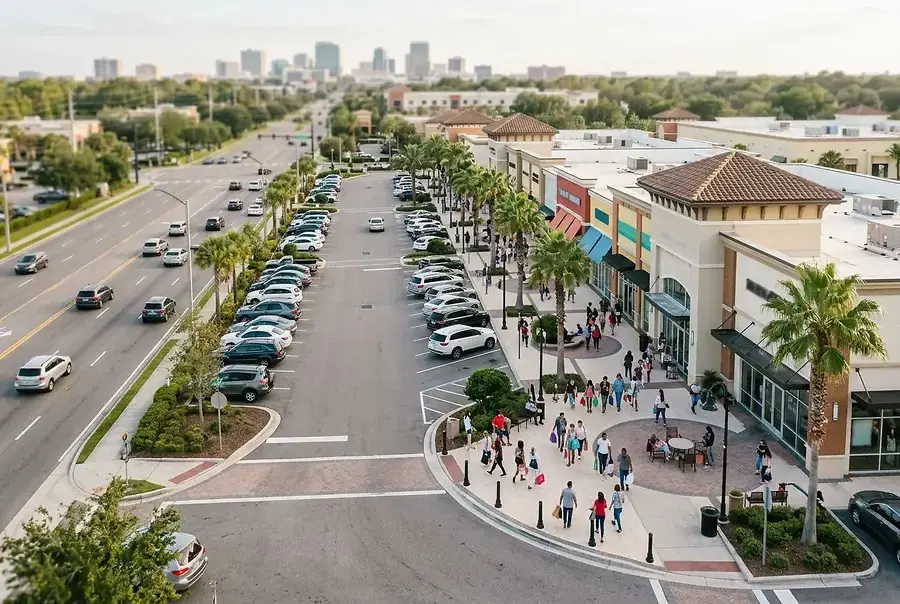
Why Location Selection Makes or Breaks Retail Success
In the competitive world of retail, location is everything. The difference between a thriving business and a struggling one often comes down to one critical factor: choosing the right location. Orlando's dynamic retail market presents both tremendous opportunities and significant challenges for business owners looking to establish or expand their commercial presence.
A prime retail location can drive consistent foot traffic, increase brand visibility, and ultimately boost sales revenue. Conversely, a poorly chosen location can result in wasted resources, minimal customer engagement, and business failure. This is why conducting thorough research and analysis before committing to a retail space is absolutely essential.
Whether you're opening a boutique, restaurant, or specialty store, understanding the key factors that define a successful retail location will help you make informed decisions that align with your business goals and budget.
Understanding Foot Traffic Data and Customer Demographics
Analyzing Foot Traffic Patterns
Foot traffic is the lifeblood of retail success. Before signing a lease, you need to understand how many people pass by and enter the location daily. This data reveals whether a space has genuine customer potential or merely looks promising on paper.
To evaluate foot traffic effectively, consider these approaches:
- Conduct personal observations at different times of day and days of the week
- Use foot traffic counting technology and analytics tools available from commercial real estate platforms
- Review historical data from similar businesses in the area
- Analyze traffic patterns during peak seasons and slower periods
- Examine nearby anchor tenants and their customer draw
Pay special attention to consistent, predictable traffic rather than occasional spikes. A location that attracts steady customers throughout the week is far more valuable than one that only sees crowds on weekends.
Demographic Analysis and Target Market Alignment
Understanding who walks past your potential retail space is just as important as knowing how many people do. Demographics tell you whether those people are your ideal customers.
Key demographic factors to evaluate include:
- Age distribution of the surrounding population
- Household income levels and spending power
- Education levels and professional backgrounds
- Family status and household composition
- Ethnic and cultural diversity
- Population growth trends in the area
For example, a luxury fashion boutique thrives in areas with higher household incomes, while a casual dining establishment benefits from younger, family-oriented demographics. Align your retail concept with the demographic profile of the location to maximize relevance and appeal to your target market.
Evaluating Visibility, Accessibility, and Parking Considerations
Visibility and Signage Potential
A retail space can have excellent foot traffic and perfect demographics, but if customers can't easily see your business, you're at a disadvantage. Visibility is a critical component of retail success.
When evaluating a location, assess:
- Prominence from main roads and highways
- Clarity of sightlines from different angles and distances
- Existing signage restrictions or opportunities
- Lighting conditions during evening hours
- Competition from nearby businesses for visual attention
Corner locations and spaces with direct street frontage typically offer superior visibility. Additionally, ensure the property allows adequate signage that meets local zoning regulations while effectively communicating your brand identity.
Accessibility and Parking Infrastructure
Even the most visible location loses value if customers struggle to access it or find parking. Accessibility directly impacts customer convenience and satisfaction.
Evaluate these accessibility factors:
- Proximity to major roads and public transportation
- Ease of entry and exit from the parking area
- Adequate parking spaces relative to your business type
- Parking lot condition, lighting, and safety features
- ADA compliance and accessibility for customers with disabilities
- Traffic flow patterns around the property
In Orlando's climate, covered parking or shaded areas are particularly valuable. Customers are more likely to visit retail spaces where they can park conveniently and safely without excessive walking or exposure to the elements.
Surrounding Retail Environment
The businesses surrounding your potential location significantly impact your success. Complementary retailers can drive additional foot traffic to your space.
"Successful retail locations often benefit from being near anchor tenants and complementary businesses that attract similar customer bases."
Consider whether nearby businesses complement or compete with your concept. A coffee shop benefits from proximity to bookstores and offices, while a specialty retailer might thrive near similar boutiques that collectively draw shoppers to the area.
Making Data-Driven Decisions for Retail Property Selection
Selecting a retail location in Orlando requires balancing multiple factors and making decisions based on solid data rather than intuition alone. Here's how to approach the decision-making process:
Create a Scoring System
Develop a weighted evaluation system that ranks potential locations based on your specific business needs. Assign importance levels to factors like foot traffic, demographics, visibility, and accessibility, then score each property accordingly.
Visit Multiple Times
Never evaluate a location based on a single visit. Visit at different times of day and on different days of the week to get a comprehensive understanding of traffic patterns and customer behavior.
Consult with Professionals
Work with commercial real estate brokers, market analysts, and business consultants who understand Orlando's retail landscape. Their expertise can help you identify opportunities and avoid costly mistakes.
Review Financial Projections
Use foot traffic data and demographic information to create realistic sales projections. Ensure the location's rental costs align with your expected revenue potential and profit margins.
The right retail location can be the foundation of a successful business. By thoroughly analyzing foot traffic patterns, understanding your target demographics, and evaluating visibility and accessibility factors, you'll be equipped to make confident, data-driven decisions that position your retail business for long-term success in Orlando's competitive market.


