Orlando Commercial Zoning: How to Identify the Right Property for Your Business
Understand zoning classifications and regulations to find the perfect commercial location in Orlando.

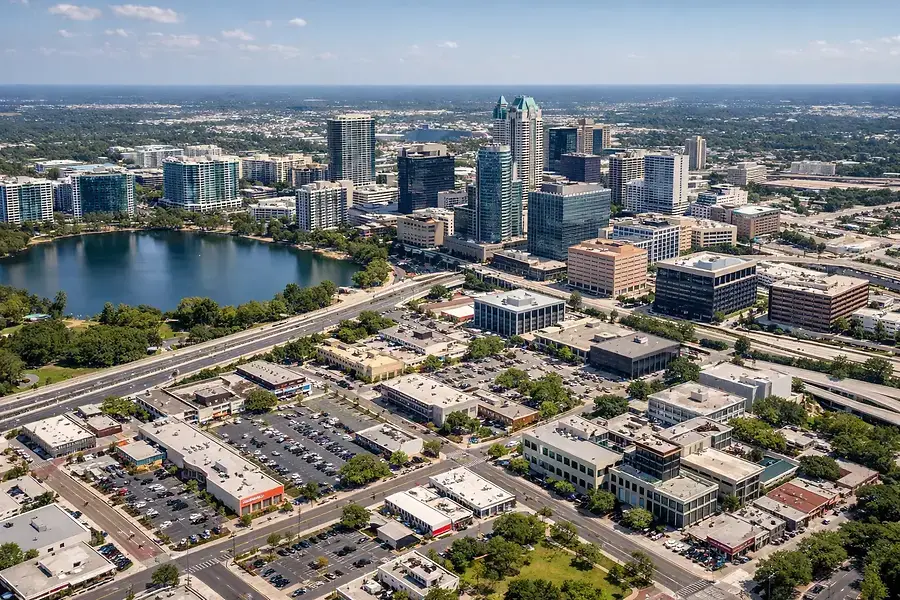
Introduction: Why Commercial Zoning Matters for Your Business Success
Choosing the right location for your business is one of the most critical decisions you'll make as an entrepreneur or business owner. While factors like foot traffic, visibility, and rent prices often dominate the conversation, understanding commercial zoning regulations is equally essential. Zoning laws determine what types of businesses can operate in specific areas, how buildings can be used, and what restrictions may apply to your operations.
In Orlando, a city experiencing rapid commercial growth, navigating zoning requirements can mean the difference between a thriving business and costly legal complications. Whether you're opening a retail store, restaurant, office, or industrial facility, knowing the zoning landscape will help you avoid purchasing or leasing a property that doesn't align with your business needs.
Understanding Orlando's Zoning Districts and Classifications
The Basics of Zoning Districts
Orlando's zoning system divides the city into distinct districts, each with specific permitted uses and regulations. The main categories include:
- Residential Zones (R): Designed for single-family homes, apartments, and residential communities. Commercial activities are typically prohibited or severely limited.
- Commercial Zones (C): Intended for retail, office, and service businesses. These zones vary in intensity from neighborhood commercial to regional commercial centers.
- Industrial Zones (I): Reserved for manufacturing, warehousing, and heavy industrial operations. These areas are usually separated from residential neighborhoods.
- Mixed-Use Zones (MU): Allow a combination of residential, commercial, and sometimes industrial uses in the same area, promoting walkable communities.
Commercial Zone Subcategories
Orlando's commercial zones are further divided into subcategories based on intensity and scale:
- Neighborhood Commercial (C-1): Small-scale retail and services serving local communities, such as convenience stores, salons, and small offices.
- Community Commercial (C-2): Medium-scale commercial districts with larger retail stores, restaurants, and professional offices.
- Regional Commercial (C-3): Large-scale commercial centers including shopping malls, major retailers, and significant office complexes.
- Downtown Commercial (C-4): Urban core areas with mixed-use development, high-density offices, and entertainment venues.
Key Zoning Regulations to Understand
Beyond district classifications, several regulations impact your business operations:
- Setback Requirements: The minimum distance your building must be set back from property lines and streets.
- Height Restrictions: Maximum building heights allowed in specific zones.
- Parking Requirements: Minimum number of parking spaces required based on business type and square footage.
- Signage Regulations: Rules governing the size, type, and placement of business signs.
- Use Restrictions: Specific prohibitions on certain business types within a zone.
How to Research Zoning Requirements Before Purchasing or Leasing
Step 1: Consult the City of Orlando Zoning Map
The City of Orlando provides an interactive zoning map online that shows the zoning classification for every property in the city. Visit the City's planning and development website to access this tool. Simply enter the property address or use the map interface to identify the zoning district. This is your first and most important step in the research process.
Step 2: Review the Zoning Code and Land Development Code
Orlando's comprehensive zoning regulations are detailed in the City's Land Development Code. This document outlines permitted uses, conditional uses, and specific requirements for each zone. While dense and technical, reviewing the relevant sections for your business type is crucial. You can access this code through the City's website or request a copy from the Planning and Development Department.
Step 3: Contact the Planning and Development Department
Don't hesitate to reach out directly to the City of Orlando's Planning and Development Department. Staff members can answer specific questions about zoning compliance, permitted uses, and any special requirements for your business. They can also inform you about pending zoning changes or development plans that might affect your property.
Step 4: Hire a Real Estate Attorney or Zoning Consultant
For complex situations or significant investments, hiring a professional is a wise investment. Real estate attorneys and zoning consultants have expertise in navigating Orlando's regulations and can identify potential issues before you commit to a property. They can also assist with variance requests or conditional use permits if your business doesn't perfectly fit the zoning classification.
Step 5: Investigate Conditional Use Permits and Variances
If your ideal property doesn't perfectly match your business needs due to zoning restrictions, you may be able to request a conditional use permit (CUP) or variance. A CUP allows certain uses in a zone under specific conditions, while a variance provides relief from strict zoning requirements. However, these processes require approval from the City and can be time-consuming and costly.
Step 6: Check for Overlay Districts and Special Regulations
Some areas of Orlando have additional overlay districts that impose extra requirements on top of base zoning. These might include historic preservation districts, downtown development districts, or environmental protection areas. Always verify whether your property falls within any overlay districts, as they can significantly impact your operations and development plans.
Conclusion: Making Informed Decisions with Zoning Knowledge
Understanding commercial zoning in Orlando is not just a legal formality—it's a strategic business decision. By taking the time to research zoning classifications, regulations, and requirements before committing to a property, you protect your investment and set your business up for success.
The cost of thorough zoning research upfront is minimal compared to the potential expenses of discovering zoning violations or incompatibilities after you've signed a lease or purchased a property.
Use the resources available through the City of Orlando, consult with professionals when needed, and don't rush the location selection process. The right commercial property—one that aligns with both your business vision and zoning regulations—is worth the effort to find. With this knowledge in hand, you're well-equipped to identify the perfect location for your Orlando business.


