Orlando Real Estate Investment: Commercial vs. Residential Properties
Discover which property type aligns with your investment goals and financial timeline in today's competitive Orlando market.

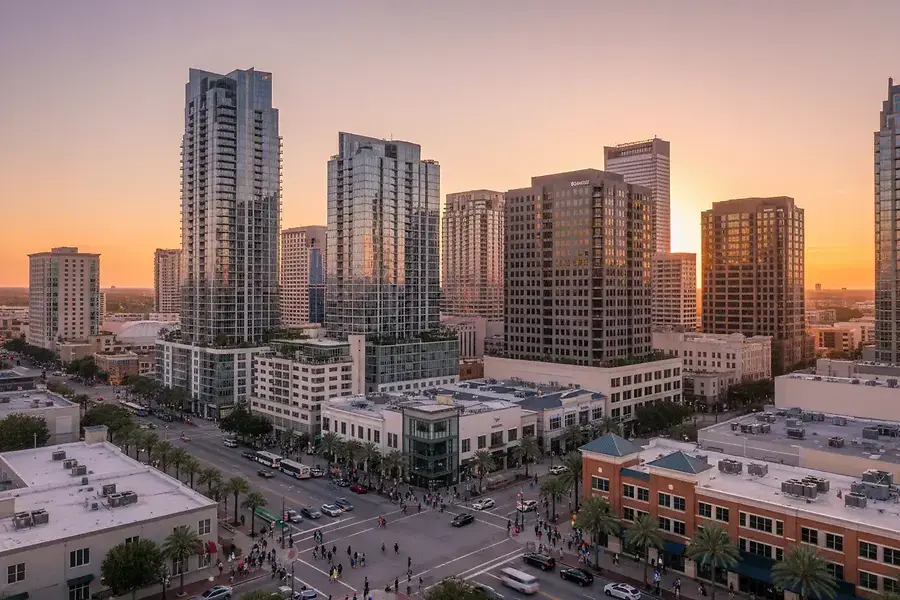
Understanding the Orlando Market: Current Trends in Residential and Commercial Real Estate
Orlando's real estate market continues to experience significant growth, driven by population expansion, tourism, and economic diversification. The region has become increasingly attractive to investors seeking opportunities beyond traditional markets. Understanding the current landscape is essential for making informed investment decisions.
The residential sector remains robust, with steady demand from both owner-occupants and investors. Meanwhile, the commercial market is experiencing renewed interest as businesses recognize Orlando's strategic location and growing workforce. Both sectors present distinct advantages and challenges that require careful evaluation.
Market Dynamics and Growth Factors
Several factors contribute to Orlando's appeal as an investment destination:
- Population Growth: Central Florida continues to attract residents from across the nation, creating sustained demand for housing.
- Tourism and Hospitality: The region's world-class attractions support commercial development and service-oriented businesses.
- Tech and Innovation: Emerging technology sectors are establishing roots in Orlando, diversifying the economic base.
- Affordable Entry Points: Compared to other major metros, Orlando offers relatively accessible investment opportunities.
Residential Properties: Building Wealth Through Single-Family Homes and Multifamily Investments
Residential real estate has long been a cornerstone of wealth-building strategies. In Orlando, residential investments range from single-family homes to large multifamily complexes, each offering unique benefits and considerations.
Single-Family Homes
Single-family homes represent the most accessible entry point for many investors. These properties appeal to owner-occupants and renters alike, providing consistent demand in Orlando's growing neighborhoods.
- Lower Entry Costs: Generally require less capital than commercial properties.
- Easier Financing: Traditional mortgage options are readily available.
- Stable Rental Income: Reliable tenant base with predictable cash flow.
- Appreciation Potential: Long-term value growth in expanding neighborhoods.
However, single-family investments require active management, including tenant screening, maintenance coordination, and property upkeep. Vacancy periods can impact cash flow, and unexpected repairs may strain budgets.
Multifamily Properties
Multifamily investments—including duplexes, apartment complexes, and condominiums—offer economies of scale and diversified income streams. A single property generates revenue from multiple units, reducing the impact of individual vacancies.
- Diversified Income: Multiple units mean multiple revenue sources.
- Operational Efficiency: Shared maintenance and management costs per unit.
- Scalability: Easier to expand portfolios with larger properties.
- Professional Management: Larger properties justify hiring professional management companies.
Multifamily properties typically require larger initial investments and more complex financing arrangements. However, they often deliver superior returns and provide better protection against market fluctuations.
Commercial Properties: Office, Retail, and Mixed-Use Opportunities in Orlando's Growing Economy
Commercial real estate encompasses diverse property types, each serving different business needs and investment strategies. Orlando's commercial market offers compelling opportunities for sophisticated investors.
Office Spaces
Office properties range from small professional suites to large corporate campuses. Orlando's growing business sector creates steady demand for quality office space.
- Long-Term Leases: Commercial tenants typically sign multi-year agreements, providing income stability.
- Professional Tenants: Established businesses are generally more reliable than residential tenants.
- Higher Yields: Commercial rents often generate superior returns compared to residential.
- Triple-Net Leases: Tenants may cover property taxes, insurance, and maintenance.
Office properties require careful tenant vetting and may face longer vacancy periods during economic downturns. The shift toward remote work has also impacted office demand in some markets.
Retail Properties
Retail spaces serve shopping centers, standalone stores, and mixed-use developments. Orlando's tourism and growing population support vibrant retail sectors.
- High Visibility: Prime locations attract foot traffic and customer spending.
- Flexible Lease Terms: Retail leases can accommodate various business models.
- Anchor Tenant Benefits: Properties anchored by established retailers provide stability.
- Development Potential: Underperforming retail can be repositioned or redeveloped.
Retail investments carry risks related to changing consumer habits, e-commerce competition, and tenant financial health. Location quality is paramount for success.
Mixed-Use Properties
Mixed-use developments combine residential, office, and retail components, creating dynamic properties that serve multiple markets simultaneously. These properties are increasingly popular in Orlando's urban centers.
- Diversified Revenue: Multiple property types reduce dependency on single market segments.
- Urban Appeal: Mixed-use developments attract tenants seeking convenience and walkability.
- Development Upside: Repositioning opportunities can unlock significant value.
- Resilience: Diverse tenant base provides stability during market shifts.
Mixed-use properties require sophisticated management and larger capital investments. However, they offer compelling risk-adjusted returns and long-term appreciation potential.
Making Your Decision: Key Factors to Consider When Choosing Between Residential and Commercial Investments
Selecting between residential and commercial properties depends on your specific circumstances, investment goals, and risk tolerance. Consider these critical factors:
Capital Requirements and Financing
Residential properties typically require lower down payments and offer more accessible financing options. Commercial properties demand larger capital investments but may offer superior returns that justify the expense.
Time and Management Commitment
Residential investments, particularly single-family homes, require hands-on management and active tenant relations. Commercial properties, especially those with professional management, demand less day-to-day involvement but require strategic oversight.
Income Stability and Cash Flow
Commercial leases typically provide more stable, predictable income through longer terms and professional tenants. Residential properties offer flexibility but may experience higher vacancy rates and turnover costs.
Risk Profile and Diversification
Consider your overall portfolio strategy. Residential investments suit conservative investors seeking steady appreciation, while commercial properties appeal to those pursuing higher yields and willing to accept greater complexity.
Market Conditions and Timing
Evaluate current market conditions in Orlando. Strong residential demand may favor residential investments, while commercial opportunities may emerge during economic expansion periods.
Your Investment Timeline
Long-term investors benefit from residential appreciation and stable cash flow. Those seeking quicker returns may find commercial properties more attractive, particularly value-add opportunities requiring repositioning.
The Bottom Line: Both residential and commercial properties offer legitimate paths to real estate wealth in Orlando. Your optimal choice depends on aligning property characteristics with your financial goals, management capacity, and investment timeline. Many successful investors maintain diversified portfolios incorporating both property types, leveraging the strengths of each to build resilient, income-generating real estate businesses.


