Orlando's Residential-Commercial Hybrid Properties: Maximizing Your Investment
Discover how mixed-use properties in Orlando offer unique opportunities for investors seeking both rental income and business operations under one roof.

Understanding Residential-Commercial Hybrid Properties and Their Market Appeal
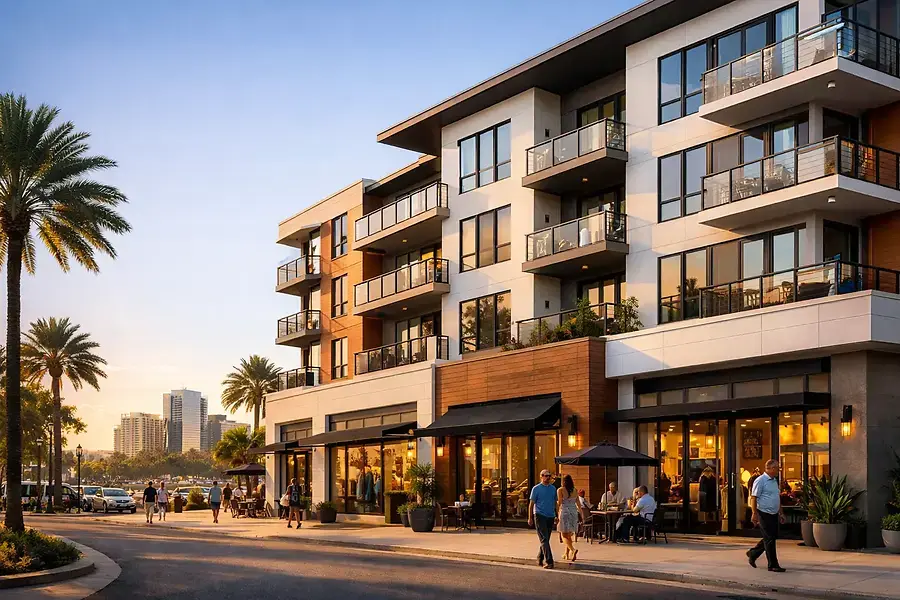
Residential-commercial hybrid properties represent a unique investment opportunity that combines the best of both worlds: steady rental income from residential units and revenue-generating commercial space. These mixed-use properties have become increasingly popular among savvy investors in Orlando, offering flexibility and diversified income streams that traditional single-use properties cannot match.
The appeal of these properties lies in their versatility and income potential. A typical hybrid property might feature ground-floor retail or office space with residential apartments above, or a home with a dedicated commercial space for a home-based business. This structure allows investors to capitalize on multiple revenue sources while maintaining a single property management approach.
Why Orlando's Market is Ideal for Hybrid Properties
Orlando's booming economy, growing population, and thriving tourism industry create an ideal environment for residential-commercial investments. The city's diverse neighborhoods attract both residential renters and business owners, making hybrid properties particularly attractive. Additionally, Orlando's relatively affordable real estate compared to other major Florida markets provides excellent entry points for investors.
Orlando's Neighborhoods Best Suited for Dual-Purpose Properties
Downtown Orlando and Thornton Park
These vibrant neighborhoods are perfect for hybrid properties due to their high foot traffic and mixed-use zoning. Downtown Orlando continues to experience revitalization with new restaurants, galleries, and offices attracting both residents and business owners. Properties here command premium rental rates for both residential and commercial spaces.
Winter Park and Maitland
These upscale neighborhoods appeal to affluent renters and established businesses. Hybrid properties in these areas attract quality tenants willing to pay higher rents, making them ideal for investors seeking premium returns. The strong community presence ensures consistent demand for both residential and commercial spaces.
Colonial Town Center and Milk District
These emerging neighborhoods offer growth potential and affordability. As these areas continue to develop, early investors in hybrid properties can benefit from appreciation while enjoying solid current rental income. The creative, entrepreneurial community here supports small businesses and attracts young professionals.
Dr. Phillips and Thornton Park Expansion Areas
These neighborhoods combine residential appeal with growing commercial activity. The proximity to major employment centers and entertainment venues makes them attractive for both residential tenants and business operators seeking accessible locations.
Financial Benefits and ROI Strategies for Residential-Commercial Investments
Maximizing Income Streams
The primary financial advantage of hybrid properties is multiple revenue sources. While a traditional apartment building generates income only from residential leases, a hybrid property can earn from:
- Residential unit rentals
- Commercial space leases
- Potential business operations if owner-occupied
- Ancillary services or parking revenue
This diversification reduces risk and increases overall property profitability. If one commercial tenant vacates, residential income continues, and vice versa.
Tax Advantages and Deductions
Hybrid properties offer enhanced tax benefits compared to single-use properties. Investors can deduct expenses for both residential and commercial portions, including:
- Mortgage interest on the entire property
- Property taxes allocated to both uses
- Maintenance and repairs for all spaces
- Utilities and insurance costs
- Depreciation on commercial improvements
Consulting with a tax professional can help optimize these deductions and maximize your after-tax returns.
Appreciation and Long-Term Value
Orlando's real estate market has demonstrated consistent appreciation. Hybrid properties in strategic locations benefit from both residential and commercial market growth. As neighborhoods develop and demand increases, property values typically rise, creating substantial long-term wealth building opportunities.
ROI Calculation Strategy
When evaluating potential hybrid properties, calculate ROI by dividing annual net income (residential rent + commercial rent - expenses) by total investment. A well-positioned hybrid property in Orlando can generate 6-10% annual returns, with additional appreciation potential.
Steps to Finding and Evaluating the Right Property for Your Goals
Define Your Investment Strategy
Before searching, clarify your investment goals. Are you seeking maximum cash flow, long-term appreciation, or a balance of both? Will you actively manage the property or hire professional management? Your answers will guide your property search and evaluation process.
Research Market Conditions and Zoning
Understanding local zoning laws is crucial for hybrid properties. Verify that your target property is zoned for mixed-use development and that your intended commercial use is permitted. Research neighborhood trends, vacancy rates, and rental rates for both residential and commercial spaces to ensure strong market fundamentals.
Analyze Property Financials
Request detailed financial statements from sellers, including:
- Current rental rates for all units
- Lease terms and tenant stability
- Operating expenses and maintenance history
- Vacancy rates and turnover patterns
- Capital improvement needs
Use this data to project realistic income and expenses for your ownership period.
Evaluate Physical Condition
Conduct thorough inspections of both residential and commercial spaces. Separate systems for HVAC, plumbing, and electrical between residential and commercial areas can reduce complications. Assess deferred maintenance costs and factor them into your purchase offer.
Consider Management Requirements
Hybrid properties require more sophisticated management than single-use properties. You'll need to coordinate residential tenant issues with commercial tenant needs, manage separate lease agreements, and maintain distinct utility systems. Budget for professional property management if you cannot handle these responsibilities personally.
Work with Experienced Professionals
Partner with real estate agents familiar with hybrid properties, accountants experienced in mixed-use investments, and attorneys knowledgeable about commercial and residential leasing. Their expertise will help you navigate complex transactions and optimize your investment structure.
Negotiate Strategically
Use your financial analysis to negotiate effectively. If the property has underperforming commercial space or high vacancy rates, these become leverage points for negotiating a lower purchase price. Conversely, if the property is well-maintained and fully leased, be prepared to pay a premium.
Orlando's residential-commercial hybrid properties represent a sophisticated investment strategy that can generate substantial returns through diversified income streams and strategic property selection. By understanding the market, choosing the right neighborhood, and conducting thorough due diligence, investors can unlock significant wealth-building opportunities in Florida's dynamic real estate market.


