Owings Mills Home Inspection Essentials: What Buyers Must Know
Discover the critical inspection points that protect your investment and reveal hidden issues before closing.

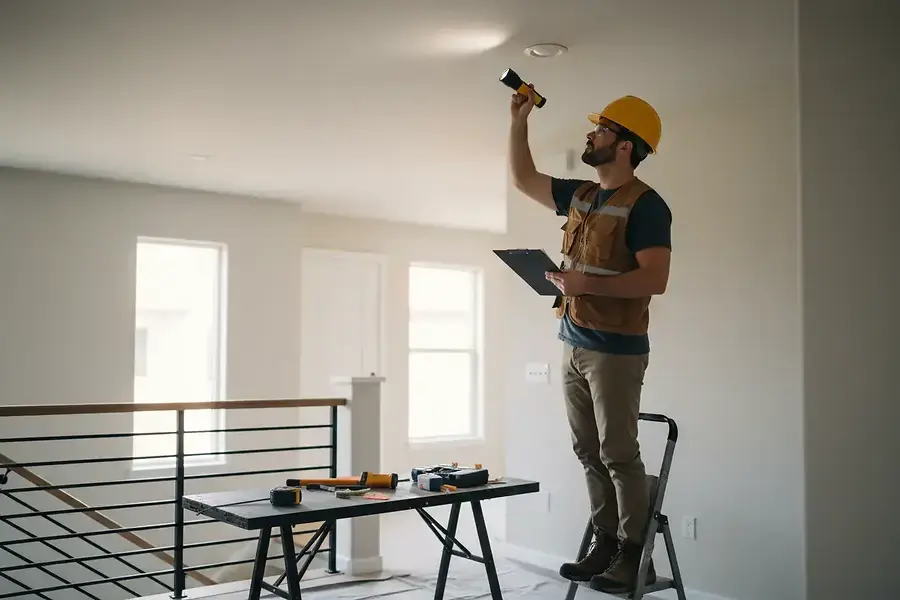
Understanding the Home Inspection Process in Owings Mills
A home inspection is one of the most critical steps in the home buying process. This comprehensive evaluation examines the structural integrity, mechanical systems, and overall condition of a property. In Owings Mills, where homes range from historic properties to modern constructions, inspections are tailored to address the specific characteristics of the local real estate market.
During a typical inspection, a certified inspector will spend two to four hours examining every accessible area of the home. They'll evaluate the foundation, roof, plumbing, electrical systems, HVAC units, and more. The inspector will document their findings in a detailed report that becomes your roadmap for understanding the property's true condition.
It's important to note that a home inspection is not an appraisal. While an appraisal determines the home's market value, an inspection focuses solely on its physical condition. Many buyers choose to attend the inspection in person, which allows them to ask questions and gain firsthand knowledge about the property.
Key Areas Inspectors Evaluate and Red Flags to Watch For
Structural Components
Inspectors carefully examine the foundation, walls, and roof structure. Common red flags include:
- Cracks in the foundation or basement walls
- Water damage or signs of moisture intrusion
- Sagging rooflines or compromised structural beams
- Evidence of pest damage or termite infestation
Roofing and Exterior
The roof is one of the most expensive components to replace. Inspectors look for:
- Missing or damaged shingles
- Flashing issues around chimneys and vents
- Gutter deterioration or improper drainage
- Siding damage or rot
Plumbing Systems
Water-related issues can be costly and damaging. Inspectors check for:
- Leaks under sinks and around toilets
- Water pressure inconsistencies
- Outdated or corroded pipes
- Improper grading that could cause water pooling
Electrical Systems
Safety is paramount when evaluating electrical systems. Red flags include:
- Outdated wiring or knob-and-tube systems
- Insufficient outlets or overloaded circuits
- Missing ground fault circuit interrupters (GFCIs)
- Improper grounding or bonding
HVAC and Mechanical Systems
Heating and cooling systems require significant investment to replace. Inspectors evaluate:
- Age and condition of furnaces and air conditioning units
- Proper ventilation and ductwork
- Carbon monoxide detector presence and functionality
- Water heater condition and capacity
How to Use Inspection Reports to Negotiate Better Offers
Once you receive the inspection report, you have a powerful negotiating tool. Don't panic if issues are found—most homes have some defects. The key is determining which issues are deal-breakers and which are manageable.
Prioritize Your Concerns
Categorize findings into three groups: critical issues (foundation problems, major system failures), significant repairs (roof replacement, electrical upgrades), and minor maintenance (cosmetic issues, routine repairs). Focus your negotiations on critical and significant items.
Get Repair Estimates
Before negotiating, obtain quotes from licensed contractors for major repairs. This gives you concrete numbers to present to the seller. Armed with actual repair costs, you can request either a price reduction or ask the seller to complete repairs before closing.
Craft Your Renegotiation Strategy
You have several options when issues arise:
- Request a price reduction: Ask the seller to lower the purchase price by the estimated repair costs
- Demand repairs: Require the seller to fix issues before closing
- Request credits: Ask for closing cost credits to handle repairs yourself
- Walk away: If issues are too severe, you may choose to terminate the contract
Be reasonable in your requests. Sellers are more likely to negotiate if your demands are based on documented inspection findings and fair market repair costs.
Maintain Professional Communication
Work through your real estate agent to present findings diplomatically. Avoid accusatory language and focus on factual information from the inspection report. A collaborative approach often yields better results than an adversarial one.
Next Steps After Your Home Inspection
Review and Understand the Report
Take time to thoroughly read the inspection report. Ask your inspector to clarify any technical terms or findings you don't understand. Many inspectors offer follow-up consultations to discuss their findings in detail.
Consult with Your Real Estate Agent and Lender
Your real estate agent can provide market perspective on whether issues are typical for homes in Owings Mills. Your lender may also have concerns about certain defects that could affect financing approval.
Plan for Future Maintenance
Even if you don't renegotiate, use the inspection report to plan future maintenance. Understanding the age and condition of major systems helps you budget for replacements and repairs down the road.
Consider a Second Opinion
For significant issues, you may want to hire a specialist inspector. A structural engineer, electrician, or plumber can provide detailed assessments of specific concerns and more accurate repair estimates.
Remember: A home inspection protects your investment by revealing the true condition of the property. Use this information wisely to make informed decisions and negotiate confidently.
By understanding the home inspection process and using the findings strategically, you'll be better equipped to make one of the largest purchases of your life with confidence and clarity.