Papillion Home Inspection Checklist: What Buyers Should Know
A comprehensive guide to identifying potential issues before making your offer on a Papillion property.

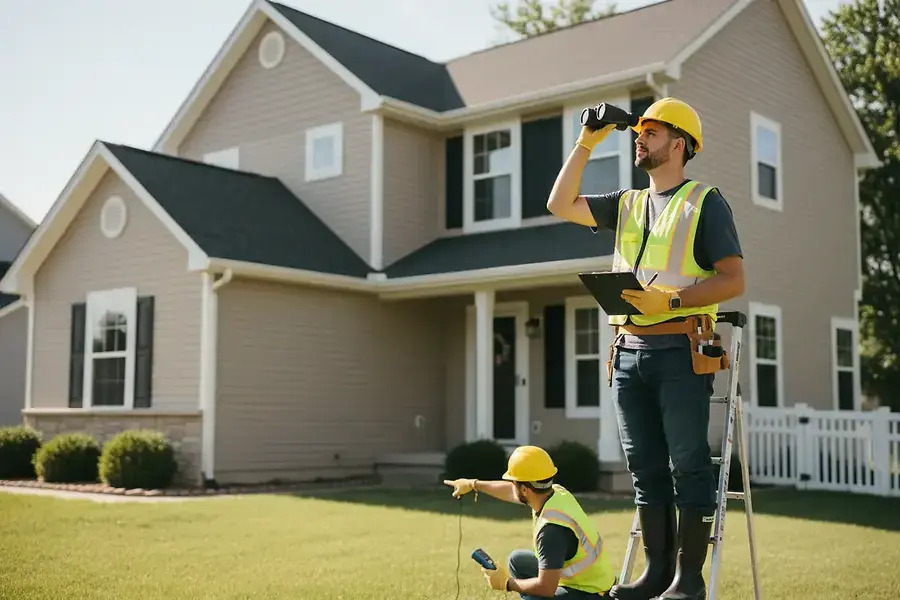
Why Home Inspections Matter in Papillion's Market
Buying a home is one of the most significant financial decisions you'll make, and in Papillion's competitive real estate market, it's crucial to protect your investment. A thorough home inspection can reveal hidden problems that might not be visible during a casual walkthrough. Whether you're a first-time homebuyer or an experienced investor, understanding what inspectors look for can help you make an informed decision and avoid costly surprises down the road.
Papillion's diverse housing stock ranges from charming older homes to modern new construction, each with its own potential issues. A professional home inspection provides an objective assessment of the property's condition, giving you the knowledge you need to negotiate effectively or walk away if necessary.
Key Areas to Inspect: Foundation, Roof, HVAC, and Plumbing Systems
Foundation and Structural Integrity
The foundation is the backbone of any home. Inspectors will look for:
- Cracks and settling: Minor hairline cracks are normal, but larger cracks or patterns may indicate serious structural issues
- Water damage and moisture: Signs of water intrusion in basements or crawl spaces can lead to mold and deterioration
- Proper grading: Soil should slope away from the foundation to prevent water accumulation
- Basement condition: Check for efflorescence (white mineral deposits), dampness, or standing water
Roof Condition and Longevity
Your roof protects everything beneath it, making its condition critical. Inspectors evaluate:
- Shingle condition: Look for missing, curled, or deteriorating shingles that may need replacement soon
- Flashing and seals: Proper sealing around chimneys, vents, and skylights prevents leaks
- Gutters and drainage: Ensure gutters are secure, clean, and properly direct water away from the home
- Roof age and remaining lifespan: Most roofs last 15-25 years depending on materials and maintenance
HVAC Systems
Heating, ventilation, and air conditioning systems are essential for comfort and indoor air quality. Inspectors check:
- System age and functionality: Older systems may be less efficient and require replacement soon
- Maintenance records: Regular servicing indicates proper care and extends system life
- Ductwork condition: Leaky or poorly insulated ducts reduce efficiency and increase utility costs
- Thermostat operation: Verify that heating and cooling cycles work properly
Plumbing Systems
Water systems are vital to daily living. Key inspection points include:
- Water pressure and flow: Test multiple fixtures to ensure adequate pressure throughout the home
- Pipe materials and condition: Older galvanized pipes may corrode; copper and PVC are generally more reliable
- Drainage and sewage: Check for slow drains, backups, or signs of septic system issues
- Water heater: Assess age, capacity, and condition; replacement costs can be significant
Red Flags and Deal-Breakers: Common Issues Found in Papillion Homes
Structural and Foundation Problems
Major foundation cracks, bowing walls, or evidence of settling can indicate serious structural issues requiring expensive repairs. These are often deal-breakers unless the seller agrees to significant price reductions or repairs.
Roof Damage and Leaks
Active leaks, extensive damage, or a roof nearing the end of its lifespan can be costly. Budget $10,000-$25,000+ for a full roof replacement, making this a significant negotiating point.
Outdated or Failing HVAC Systems
Systems over 15 years old may fail soon. Replacement costs typically range from $5,000-$15,000, depending on the system type and home size. Request maintenance records and consider getting a separate HVAC evaluation.
Plumbing Issues
Watch for:
- Galvanized pipes that may corrode and fail
- Polybutylene pipes (used in some homes from the 1980s-2000s) prone to failure
- Sewage backups or septic system problems
- Low water pressure indicating pipe deterioration
Electrical and Safety Concerns
Outdated electrical panels, aluminum wiring, or improper grounding can pose fire hazards. These issues should be addressed before purchase or reflected in the offer price.
Mold and Water Damage
Mold growth is a serious health concern and indicates moisture problems. Extensive mold remediation can be expensive and may require professional assessment beyond the standard inspection.
Using Inspection Results to Negotiate and Protect Your Investment
Understanding Your Inspection Report
A professional inspection report will categorize issues by severity. Take time to understand the findings and ask your inspector to explain anything unclear. Don't ignore minor issues—they can compound over time.
Negotiation Strategies
Once you have the inspection report, you have several options:
- Request repairs: Ask the seller to fix significant issues before closing
- Negotiate price reduction: Reduce your offer to account for repair costs you'll handle
- Request credit at closing: The seller provides funds to cover repairs after purchase
- Walk away: If issues are too severe or costly, it may be wise to find another property
Protecting Your Investment
Use inspection results to plan for future maintenance and budget accordingly.
A well-maintained home protects your investment and provides years of comfortable living.Consider getting separate inspections for specific concerns, such as termite inspections or radon testing, depending on the property's age and location.
Keep all inspection reports and maintenance records for future reference. They'll be valuable when you eventually sell the property and help you stay on top of necessary upkeep.
Conclusion
A comprehensive home inspection is an essential step in the Papillion home-buying process. By understanding what inspectors look for and knowing how to interpret findings, you can make confident decisions that protect your investment. Don't skip this crucial step or choose the cheapest inspector available—the small investment in a thorough inspection can save you thousands in unexpected repairs and provide peace of mind in your new home.