Parker, CO Home Inspection Checklist: What Buyers Should Know
Essential inspection points that help Parker homebuyers make confident purchasing decisions and avoid costly surprises.

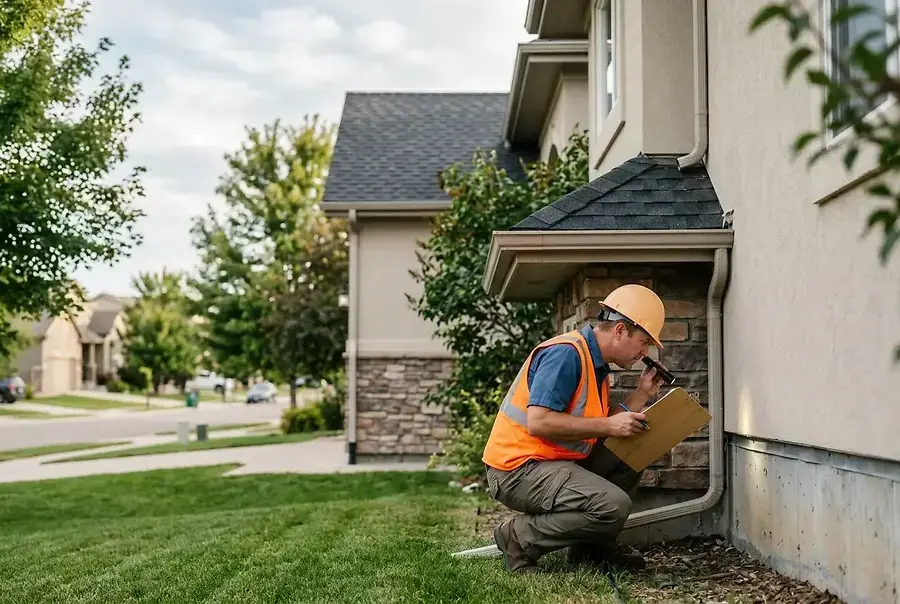
Why Home Inspections Matter in Parker's Competitive Market
Buying a home in Parker, Colorado is an exciting milestone, but it's also one of the largest financial investments you'll make. In today's competitive real estate market, many buyers feel pressured to move quickly and skip important steps. However, a thorough home inspection is non-negotiable if you want to protect your investment and avoid expensive surprises down the road.
A professional home inspection provides an objective assessment of a property's condition, identifying potential issues before you sign on the dotted line. In Parker's growing market, where homes can sell quickly, having a comprehensive inspection report gives you the leverage to negotiate repairs or price adjustments with confidence.
Key Areas to Inspect: Roof, Foundation, HVAC, and Plumbing Systems
Roof Condition and Integrity
The roof is one of the most critical components of any home. Colorado's weather—including hail, heavy snow, and intense sun—can take a toll on roofing materials. During your inspection, look for:
- Missing or damaged shingles
- Signs of water damage or leaks in the attic
- Proper ventilation and flashing around chimneys and vents
- Age of the roof (most asphalt shingles last 15-20 years)
- Sagging or uneven roof lines
A roof replacement can cost $10,000 or more, making this inspection point crucial for your budget planning.
Foundation Stability and Structural Integrity
Parker's soil composition and weather patterns can affect foundation health. Your inspector should examine:
- Visible cracks in the foundation walls or basement floor
- Signs of water intrusion or moisture problems
- Proper grading around the foundation to direct water away
- Evidence of settling or shifting
- Condition of basement walls and any previous repairs
Foundation issues are serious and expensive to repair. Even minor cracks should be documented and monitored, as they can indicate larger structural problems.
HVAC Systems and Energy Efficiency
Colorado's temperature swings mean your heating and cooling systems work hard year-round. During inspection, verify:
- Age and condition of the furnace and air conditioning unit
- When filters were last replaced and maintenance records
- Proper airflow throughout the home
- Thermostat functionality and accuracy
- Ductwork condition and insulation
HVAC systems typically last 15-20 years. Replacing both furnace and AC unit can exceed $8,000, so understanding the system's age and condition is essential.
Plumbing Systems and Water Quality
Water-related issues can lead to mold, structural damage, and health concerns. Your inspector should check:
- Water pressure and flow from all fixtures
- Type of pipes (galvanized, copper, PVC) and their condition
- Signs of leaks under sinks and around water heater
- Proper drainage in bathrooms and kitchen
- Age and condition of the water heater
- Septic system or municipal water connection status
Older homes in Parker may have outdated plumbing that requires updating. Budget accordingly if you discover aging pipes or fixtures.
Red Flags and Deal-Breakers: What Inspection Results Really Mean
Understanding Serious Issues
Not all inspection findings are created equal. Some issues are minor cosmetic concerns, while others signal serious problems. Major red flags include:
- Structural damage: Cracks in foundation, sagging floors, or bowing walls indicate serious structural issues requiring professional engineering assessment
- Mold and water damage: Extensive mold growth or water intrusion suggests ongoing moisture problems that can affect health and home integrity
- Electrical hazards: Outdated wiring, improper grounding, or overloaded circuits pose fire and safety risks
- Asbestos or lead: These hazardous materials require professional remediation and can significantly impact home value
- Pest infestation: Evidence of termites, rodents, or other pests may indicate widespread damage
Minor Issues vs. Major Concerns
Your inspector's report will likely include items that need attention but aren't deal-breakers. These might include:
- Caulking that needs replacement
- Paint touch-ups or minor cosmetic repairs
- Weatherstripping replacement
- Gutter cleaning or minor repairs
These items are typically negotiable and can be addressed through seller concessions or price reductions.
Using Inspection Findings to Negotiate Better Terms
Leverage Your Inspection Report
Once you have your inspection report, you have valuable information for negotiations. Here's how to use it effectively:
- Request repairs: Ask the seller to fix major issues before closing
- Negotiate price reductions: If repairs are extensive, request a lower purchase price to account for costs
- Request credits: Some sellers prefer to give you a credit at closing rather than handle repairs themselves
- Get contractor estimates: Obtain quotes for major repairs to support your negotiation requests with concrete numbers
Making Your Final Decision
The inspection report is your roadmap to making an informed decision. Consider the total cost of repairs, the age of major systems, and your comfort level with the property's condition. Remember, you have the right to walk away if the inspection reveals deal-breaker issues or if repairs would exceed your budget.
A thorough home inspection is an investment in peace of mind. In Parker's competitive market, it's the one step that can save you thousands of dollars and countless headaches. Don't let the pressure to move quickly prevent you from getting the information you need to make the best decision for your family and your finances.


