Philadelphia Home Inspections: What Every Buyer Must Know Before Closing
Discover the essential inspection checklist and red flags that protect your investment in Philadelphia real estate.

Why Home Inspections Matter in Philadelphia's Diverse Housing Market
Philadelphia's real estate market is characterized by its diverse architectural styles, from historic row homes to modern condominiums. Whether you're purchasing a charming 19th-century townhouse or a contemporary apartment, a professional home inspection is one of the most critical steps in the buying process. A thorough inspection can save you thousands of dollars in unexpected repairs and provide peace of mind before you sign the final paperwork.
Many first-time homebuyers underestimate the importance of inspections, viewing them as an optional expense. However, in Philadelphia's competitive market, where properties range significantly in age and condition, skipping this step can lead to costly surprises after closing. An inspection protects your investment by identifying issues that may not be visible during a casual walkthrough.
Understanding the Home Inspection Process and What Inspectors Look For
The Inspection Timeline and What to Expect
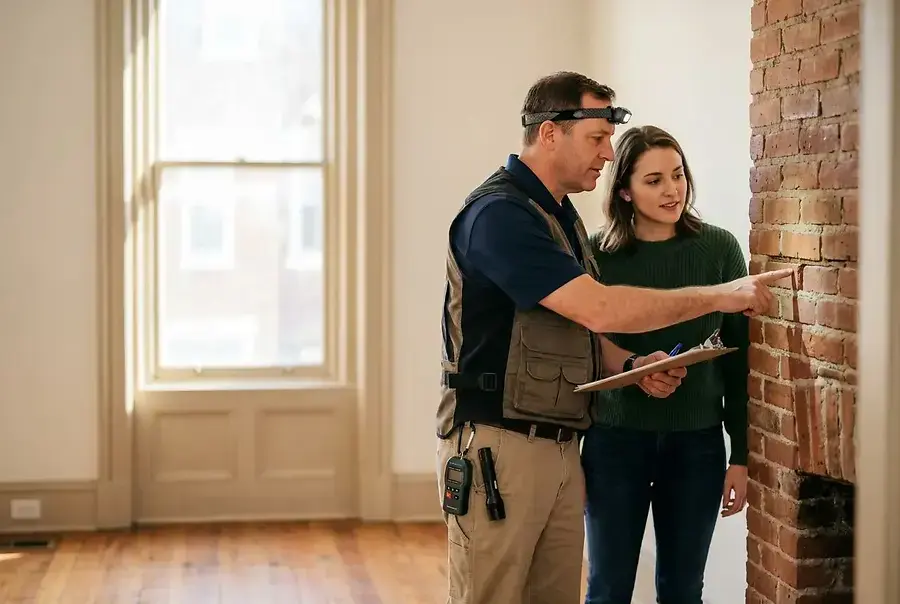
A standard home inspection typically takes 2-4 hours, depending on the property's size and age. During this time, the inspector will systematically examine every major system and component of the home. As the buyer, you have the right to be present during the inspection—in fact, it's highly recommended. This allows you to ask questions and understand potential issues firsthand.
Key Areas Inspectors Evaluate
Professional home inspectors focus on several critical areas:
- Structural Integrity: Foundation, walls, and overall structural soundness
- Roofing: Condition, age, and remaining lifespan of the roof
- Electrical Systems: Wiring, panels, outlets, and safety compliance
- Plumbing: Pipes, fixtures, water pressure, and drainage systems
- HVAC Systems: Heating, cooling, and ventilation functionality
- Insulation and Ventilation: Energy efficiency and moisture control
- Interior Components: Walls, ceilings, floors, doors, and windows
- Exterior Elements: Siding, gutters, downspouts, and grading
Inspectors also check for hazardous materials such as asbestos, lead paint, and mold—particularly important in Philadelphia's older housing stock.
Common Issues Found in Philadelphia Properties and How to Address Them
Aging Infrastructure and Foundation Problems
Philadelphia's historic properties often feature original foundations and infrastructure that may have deteriorated over time. Common issues include cracked foundations, water intrusion in basements, and outdated plumbing systems. While some foundation cracks are cosmetic, others indicate serious structural concerns that require professional evaluation and repair.
Roofing and Water Damage
Many Philadelphia homes feature older roofs nearing the end of their lifespan. Inspectors look for missing shingles, leaks, and signs of water damage in attics and upper-floor ceilings. Roof replacement can be expensive, so understanding the roof's condition helps you budget for future maintenance or negotiate repair costs.
Electrical and Plumbing Systems
Older homes may have outdated electrical panels, knob-and-tube wiring, or insufficient outlets for modern living. Similarly, galvanized pipes common in vintage Philadelphia homes can corrode and restrict water flow. These upgrades, while necessary for safety and functionality, represent significant expenses that should be factored into your purchase decision.
Lead Paint and Environmental Concerns
Properties built before 1978 likely contain lead paint. While lead paint itself isn't necessarily a deal-breaker, it requires proper management and disclosure. Inspectors also test for radon, mold, and other environmental hazards that could affect your family's health.
HVAC and Energy Efficiency
Aging heating and cooling systems may be inefficient or nearing replacement. Inspectors evaluate whether systems are functioning properly and estimate remaining lifespan. Understanding these costs helps you make informed decisions about energy efficiency upgrades.
Using Inspection Results to Negotiate and Protect Your Purchase
Reviewing the Inspection Report
After the inspection, you'll receive a detailed report outlining all findings. Take time to review this carefully and ask your inspector to clarify any concerns. Reports typically categorize issues by severity—from minor cosmetic concerns to major structural problems requiring immediate attention.
Negotiation Strategies
Armed with inspection findings, you have several options:
- Request Repairs: Ask the seller to fix critical issues before closing
- Request Credits: Negotiate a reduction in purchase price to cover repair costs
- Request Inspections: Hire specialists for major concerns like foundation or roof issues
- Walk Away: If issues are too extensive, you may choose to terminate the purchase
In Philadelphia's market, sellers often expect some negotiation based on inspection results. The key is approaching negotiations professionally and focusing on legitimate safety and structural concerns rather than minor cosmetic issues.
Planning for Future Maintenance
Even if you successfully negotiate repairs, use the inspection report to plan long-term maintenance. Understanding your home's systems and their condition helps you budget for future replacements and preventative care. Many inspectors provide recommendations for ongoing maintenance that can extend the life of major systems.
Remember: A home inspection is an investment in your peace of mind and financial security. The cost of an inspection is minimal compared to the potential savings from identifying major issues before closing.
Conclusion: Protecting Your Philadelphia Real Estate Investment
A comprehensive home inspection is essential for any buyer in Philadelphia's diverse real estate market. By understanding what inspectors look for, recognizing common issues in older properties, and using inspection results strategically, you can make informed decisions that protect your investment. Don't rush this critical step—take time to review findings, ask questions, and negotiate appropriately. Your future self will thank you for the diligence you invest today.