Phoenix Home Inspection Guide: Protecting Your Investment with Expert Knowledge
Learn what savvy buyers and sellers need to know about inspections to protect their investment in Arizona's competitive market.

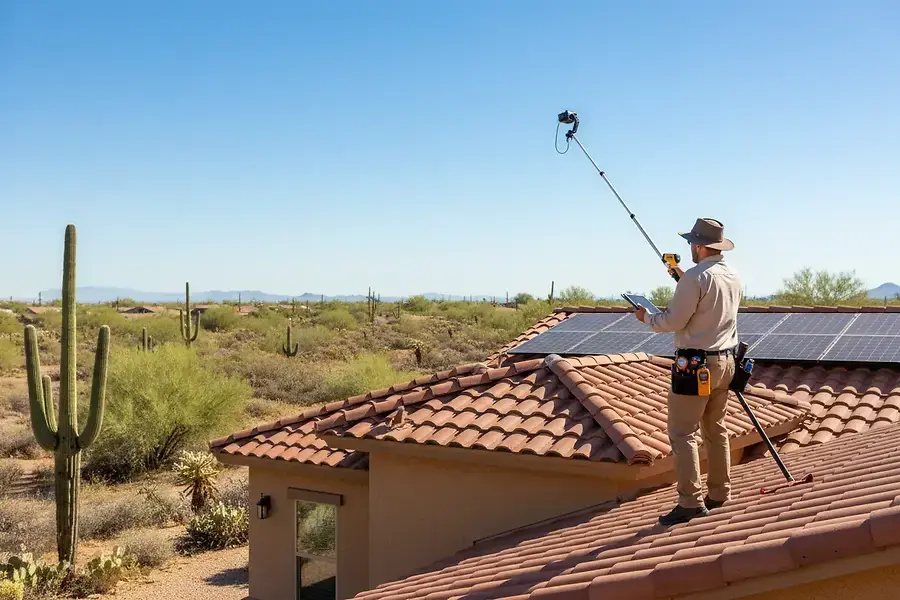
Why Home Inspections Matter in Phoenix Real Estate
In Phoenix's fast-paced real estate market, home inspections serve as your financial safeguard and peace of mind. Whether you're a first-time buyer or an experienced investor, understanding the inspection process is crucial to protecting your investment. A professional home inspection provides an objective assessment of a property's condition, revealing potential issues before you commit to a purchase.
Phoenix's unique climate and construction styles create specific challenges that inspectors are trained to identify. From intense heat affecting roofing materials to water damage from monsoon seasons, local expertise matters. An inspection report gives you leverage in negotiations and helps you budget for future repairs or maintenance.
What to Expect During a Professional Home Inspection
The Inspection Timeline and Process
A typical home inspection in Phoenix takes 2-4 hours, depending on the property's size and age. The inspector will systematically evaluate every major system and component of the home. You're encouraged to walk through the inspection with the inspector, asking questions and learning about your potential investment.
Key Areas Inspectors Evaluate
- Structural Components: Foundation, walls, roof structure, and framing integrity
- Roofing Systems: Shingles, flashing, gutters, and drainage—critical in Arizona's intense sun
- HVAC Systems: Air conditioning units, heating systems, and ductwork efficiency
- Plumbing: Water pressure, drainage, pipe conditions, and water heater functionality
- Electrical Systems: Panel condition, wiring, outlets, and safety compliance
- Interior Features: Windows, doors, flooring, walls, and ceilings
- Exterior Elements: Siding, landscaping, driveways, and pool conditions if applicable
- Appliances: Functionality of included appliances and built-in systems
Understanding the Inspection Report
After the inspection, you'll receive a detailed report categorizing findings by severity. Reports typically use classifications such as safety concerns, major repairs needed, minor issues, and maintenance recommendations. This documentation becomes invaluable for negotiations and future planning.
Common Issues Found in Phoenix Homes and How to Address Them
Roof Damage and Sun Exposure
Phoenix's relentless sun ages roofing materials faster than in other climates. Inspectors frequently find cracked, curled, or missing shingles, deteriorated flashing, and compromised seals. Action: Budget for roof replacement or repairs, and consider reflective or cool roofing materials to reduce cooling costs.
Air Conditioning System Wear
AC units work overtime in Arizona heat, leading to premature wear. Common findings include refrigerant leaks, compressor issues, and reduced efficiency. Action: Request maintenance records and consider having the system serviced before purchase. Budget for potential replacement if the unit is over 10-15 years old.
Water Intrusion and Monsoon Damage
Arizona's monsoon season brings intense storms that can expose weaknesses in roofing, windows, and exterior sealing. Water stains on ceilings and walls indicate past or ongoing moisture problems. Action: Have any water damage professionally assessed and remediated to prevent mold growth.
Foundation and Concrete Issues
Arizona's expansive clay soils and extreme temperature fluctuations can cause foundation settling and concrete cracking. While minor cracks are common, significant structural movement requires professional evaluation. Action: Obtain a structural engineer's assessment for any major foundation concerns before proceeding.
Plumbing and Hard Water Problems
Phoenix's hard water can cause mineral buildup in pipes and reduce water heater efficiency. Older homes may have corroded copper pipes or outdated galvanized plumbing. Action: Consider water softening systems and budget for potential plumbing updates if the home is over 30 years old.
Electrical System Upgrades
Older Phoenix homes may have outdated electrical panels or insufficient capacity for modern appliances and air conditioning demands. Action: Have a licensed electrician evaluate whether upgrades are needed to meet current safety standards and household needs.
Using Inspection Reports to Make Confident Real Estate Decisions
Negotiation Strategies
Armed with a detailed inspection report, you have concrete data for negotiations. You can request the seller make repairs, provide credits toward closing costs, or adjust the purchase price. Focus on safety issues and major systems first—these carry the most weight in negotiations.
Planning Your Investment
Use the inspection report to create a prioritized maintenance and repair plan. Address safety concerns and critical systems immediately, then schedule cosmetic updates and preventive maintenance over time. This strategic approach helps you budget effectively and protect your investment long-term.
Working with Professionals
Don't hesitate to hire specialists for follow-up inspections on areas of concern. A structural engineer, pest control specialist, or HVAC technician can provide detailed assessments that inform your decision-making. The cost of these inspections is minimal compared to potential repair expenses.
Making Your Final Decision
Remember that no home is perfect. The inspection report helps you understand what you're buying and what to expect. Consider the overall condition, the cost of necessary repairs, and whether the property aligns with your budget and goals. An informed decision is always better than a rushed one.
"A professional home inspection is one of the best investments you can make when buying a home. It provides clarity, protects your finances, and gives you the confidence to move forward with your real estate decision."
In Phoenix's competitive real estate market, knowledge is power. By understanding the inspection process, recognizing common local issues, and using inspection reports strategically, you're taking control of your investment and securing your financial future. Whether you're buying your first home or adding to your portfolio, prioritize a thorough professional inspection—it's the foundation of a smart real estate decision.