Phoenix Home Inspections: What Every Buyer Must Know Before Closing
Essential inspection tips to protect your investment and avoid costly surprises in the Arizona real estate market.

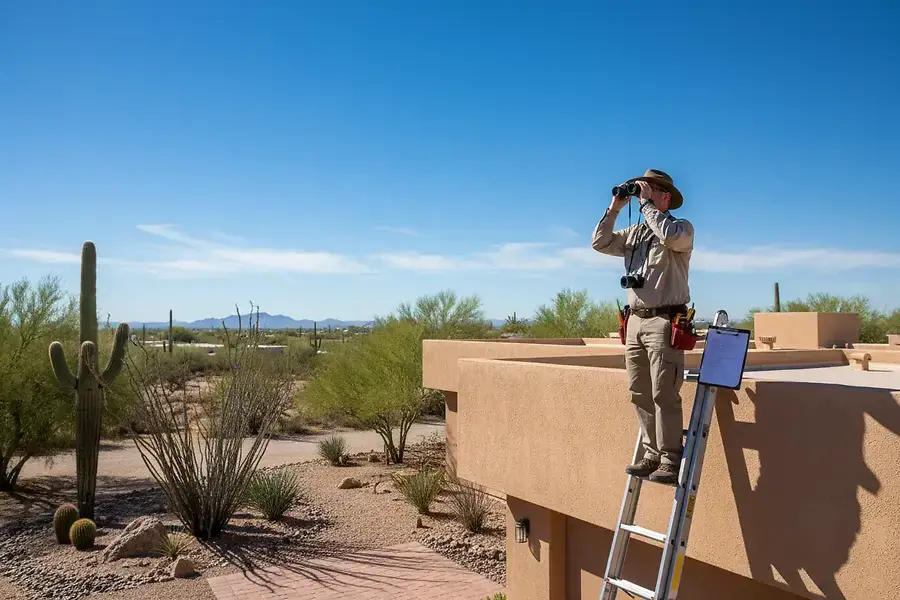
Understanding the Phoenix Home Inspection Process
Purchasing a home in Phoenix is an exciting milestone, but it comes with significant financial responsibility. A professional home inspection is your first line of defense against hidden defects and costly repairs. The inspection process typically takes 2-3 hours and involves a thorough examination of the property's structural components, systems, and overall condition.
During a standard inspection, a certified inspector will evaluate:
- Foundation and structural integrity
- Roofing materials and condition
- HVAC systems and air conditioning units
- Plumbing and water systems
- Electrical systems and panels
- Insulation and ventilation
- Windows, doors, and exterior walls
Pro Tip: Always attend the inspection in person. This allows you to ask questions directly and understand potential issues firsthand. Many inspectors will walk you through their findings and explain what they've discovered.
Common Issues Found in Arizona Desert Homes
Heat and Sun Damage
Arizona's intense desert heat creates unique challenges for homeowners. The relentless sun can cause significant wear on roofing materials, causing them to deteriorate faster than in other climates. Roof damage is one of the most common findings in Phoenix home inspections. Look for missing shingles, curling edges, or visible deterioration during your inspection.
Air Conditioning System Failures
In Phoenix, a functioning air conditioning system isn't a luxury—it's a necessity. Many older homes have aging AC units that may fail during the hot summer months. Inspectors will test the system's efficiency and age. Units older than 10-15 years may need replacement soon, which can cost $5,000-$10,000.
Foundation and Concrete Issues
The desert's dry climate causes soil to shift and settle unevenly, potentially leading to foundation cracks and concrete damage. Inspectors look for:
- Visible cracks in the foundation or slab
- Uneven flooring or sloping
- Gaps between walls and trim
- Doors and windows that don't close properly
Plumbing and Water Issues
Arizona's hard water and mineral deposits can damage plumbing systems over time. Corroded pipes, water heater problems, and reduced water pressure are common issues. Additionally, improper grading or drainage can lead to water pooling around the foundation, causing potential water damage.
Pest and Termite Damage
The warm Arizona climate is ideal for pests. Termites, scorpions, and other insects can cause structural damage. A thorough inspection should identify signs of pest activity or previous infestations.
How to Interpret Inspection Reports and Negotiate Repairs
Understanding the Report
Home inspection reports can be lengthy and technical. Most reports categorize findings by severity: critical issues that need immediate attention, major concerns that should be addressed soon, and minor items that are informational.
Don't panic if the report lists multiple items. Most homes have some issues—it's about identifying which ones are deal-breakers and which are manageable.
Prioritizing Issues
Focus on structural problems, safety hazards, and major systems first. These include:
- Foundation damage
- Roof leaks or significant deterioration
- Electrical hazards
- Non-functional HVAC systems
- Plumbing failures
Minor cosmetic issues like paint, landscaping, or small repairs can often be addressed after purchase.
Negotiation Strategies
Get repair estimates: Before negotiating, obtain quotes from licensed contractors for major repairs. This gives you concrete numbers to discuss with the seller.
Request repairs or credits: You have three options: ask the seller to make repairs before closing, request a credit toward closing costs, or ask for a price reduction. In Phoenix's competitive market, sellers may be unwilling to make repairs, so credits or price reductions are often more realistic.
Know your limits: Decide in advance which issues are deal-breakers. If the foundation needs $20,000 in repairs and you're not comfortable with that, it may be time to walk away.
Protecting Your Investment: Next Steps After Inspection
Schedule Additional Inspections if Needed
If the general inspection reveals potential issues, consider specialized inspections:
- Pest inspection: Identifies termites and other structural pests
- Roof inspection: A roofing specialist can assess remaining lifespan
- Pool inspection: If the property has a pool or spa
- Septic inspection: For homes not on municipal sewer systems
Document Everything
Keep copies of all inspection reports, repair estimates, and correspondence with the seller. These documents are valuable for future reference and insurance purposes.
Plan for Future Maintenance
Once you own the home, establish a maintenance schedule. In Phoenix's climate, prioritize:
- Annual HVAC maintenance and filter changes
- Roof inspections every 2-3 years
- Plumbing checks for leaks and corrosion
- Pest control treatments
- Foundation monitoring for new cracks
Budget for Replacements
Set aside funds for major system replacements. Air conditioning units, water heaters, and roofs have limited lifespans. Planning ahead prevents financial stress when these systems eventually need replacement.
Final Thought: A home inspection is one of the most important investments you'll make during the home-buying process. It protects your financial interests and gives you peace of mind. By understanding the inspection process, recognizing common Arizona issues, and negotiating effectively, you'll be well-equipped to make an informed decision about your Phoenix home purchase.


