Phoenix Home Inspections: What Every Buyer Needs to Know Before Closing
A complete guide to understanding inspection reports and protecting your investment in Arizona's desert climate.

Why Home Inspections Matter in Phoenix Real Estate
Purchasing a home is one of the most significant investments you'll make in your lifetime. In Phoenix, where the desert climate presents unique challenges and many properties feature aging infrastructure, a thorough home inspection becomes absolutely critical. An inspection report serves as your safeguard, revealing potential issues before you sign on the dotted line and commit to a property.
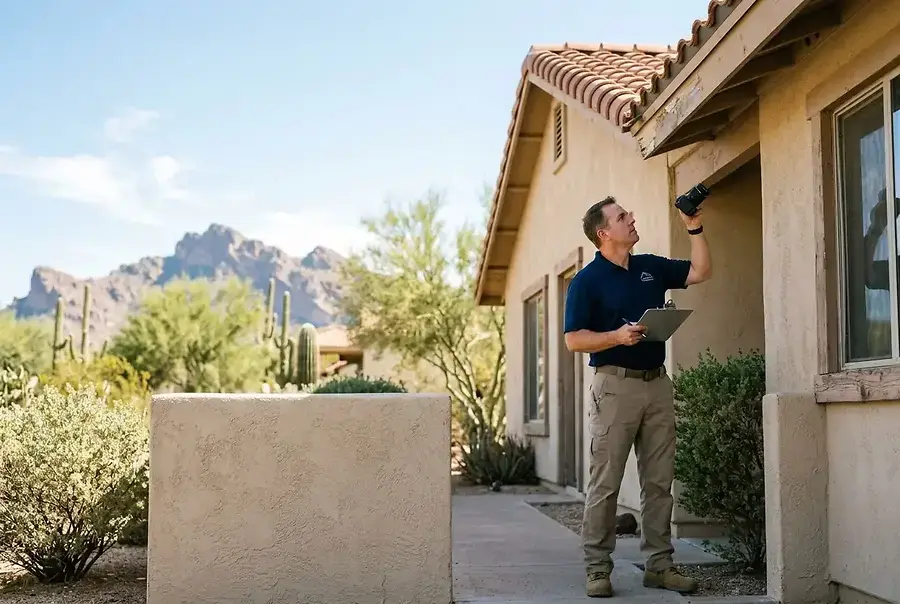
A professional home inspector examines the structural integrity, mechanical systems, and overall condition of a property. In Phoenix's unique environment, this inspection becomes even more valuable. The intense heat, low humidity, and occasional monsoons create specific wear patterns that differ from other regions. Understanding what inspectors look for—and what you should prioritize—can save you thousands of dollars in unexpected repairs.
Don't skip the inspection. Even if a property appears pristine on the surface, hidden problems could be lurking behind walls or beneath the foundation. Your inspection contingency is your legal protection and your opportunity to make an informed decision.
Common Phoenix-Specific Issues: Desert Climate and Aging Infrastructure
Heat Damage and Cooling System Strain
Phoenix's scorching summers place enormous demands on air conditioning systems. Inspectors pay close attention to HVAC units, as many homes in the area rely on aging systems that struggle to keep up with 110+ degree temperatures. Look for:
- AC units over 10-15 years old, which may need replacement soon
- Refrigerant leaks or inadequate cooling performance
- Poorly maintained filters and ductwork
- Insufficient insulation in attics, which exacerbates cooling costs
Roof and Sun Damage
The Arizona sun is relentless. Roofing materials deteriorate faster here than in cooler climates. During inspection, inspectors examine:
- Shingle degradation and curling from UV exposure
- Flashing integrity around vents and chimneys
- Potential leaks that may not be immediately visible
- The overall lifespan remaining on the roof
Foundation and Concrete Issues
Phoenix's expansive clay soil and extreme temperature fluctuations can cause foundation problems. The dry desert air causes soil to shrink, while monsoon rains cause it to expand. This movement can lead to:
- Cracks in foundations and concrete slabs
- Uneven settling and structural shifts
- Damage to driveways and patios
- Potential plumbing issues from ground movement
Plumbing and Water Issues
Arizona's hard water and mineral deposits create unique plumbing challenges. Inspectors look for:
- Corroded copper pipes, especially in older homes
- Mineral buildup in water heaters
- Inadequate water pressure or drainage problems
- Potential issues with septic systems in rural areas
Electrical System Concerns
Older Phoenix homes may have outdated electrical systems struggling to meet modern demands. Inspectors evaluate:
- Outdated panel capacity and potential fire hazards
- Aluminum wiring, which poses safety risks
- Insufficient outlets and grounding issues
- Compliance with current electrical codes
What to Expect During the Inspection Process and How to Review Results
The Inspection Day
A typical home inspection lasts 2-4 hours, depending on the property's size and age. The inspector will systematically examine:
- Exterior elements: roof, siding, landscaping, and drainage
- Interior systems: plumbing, electrical, HVAC, and appliances
- Structural components: foundation, framing, and load-bearing walls
- Attic, basement, and crawl spaces
Attend the inspection if possible. Walking through with the inspector allows you to ask questions and understand issues firsthand. Take notes and photos of any concerns.
Understanding Your Inspection Report
Inspection reports typically categorize findings into three levels:
- Major Issues: Significant problems requiring immediate attention or expensive repairs (foundation damage, roof replacement, HVAC failure)
- Minor Issues: Small problems that should be addressed but aren't urgent (loose fixtures, worn weatherstripping)
- Maintenance Items: Routine upkeep recommendations (gutter cleaning, caulking, filter replacement)
Don't panic if your report lists numerous items. Every home has some issues. Focus on major structural and system problems rather than cosmetic concerns.
Prioritizing Findings
Not all inspection findings carry equal weight. Prioritize based on:
- Safety: Electrical hazards, gas leaks, or structural concerns come first
- Cost: Expensive repairs like roof or foundation work deserve attention
- Functionality: Non-working systems that affect daily living matter more than cosmetic issues
- Longevity: Aging systems nearing the end of their lifespan should be factored into your decision
Using Inspection Results for Negotiation
Your inspection report is a powerful negotiation tool. You have several options:
- Request repairs: Ask the seller to fix major issues before closing
- Negotiate credits: Request a credit toward closing costs to handle repairs yourself
- Request price reduction: Ask for a lower purchase price reflecting the repair costs
- Walk away: If major issues make the property unviable, you can exit the deal during your inspection contingency period
Be reasonable in your requests. Sellers are more likely to cooperate if you focus on legitimate safety and structural concerns rather than minor cosmetic issues.
Using Inspection Findings to Negotiate and Secure Your Phoenix Home
A home inspection isn't just about finding problems—it's about making an informed investment decision. In Phoenix's unique real estate market, understanding desert-specific issues gives you a competitive advantage.
Get everything in writing. If the seller agrees to repairs or credits, ensure these terms are documented in your purchase agreement. Don't rely on verbal promises.
Consider hiring a specialist inspector for major concerns. If the general inspection reveals potential foundation issues, for example, hiring a foundation specialist can provide detailed analysis and cost estimates for repairs.
Remember that inspection contingencies typically last 7-10 days. Use this time wisely to review the report, consult with contractors about repair costs, and make your final decision. This window is your opportunity to protect yourself before committing to the purchase.
By understanding Phoenix-specific issues, attending your inspection, and carefully reviewing the report, you're taking control of your home-buying experience. A thorough inspection today prevents costly surprises tomorrow and ensures your Phoenix home is a sound investment for years to come.