Pittsburgh Area Communities: Residential & Commercial Investment Guide
Discover the unique opportunities and growth potential across 12 thriving Pennsylvania neighborhoods from Pittsburgh to Lancaster Township.

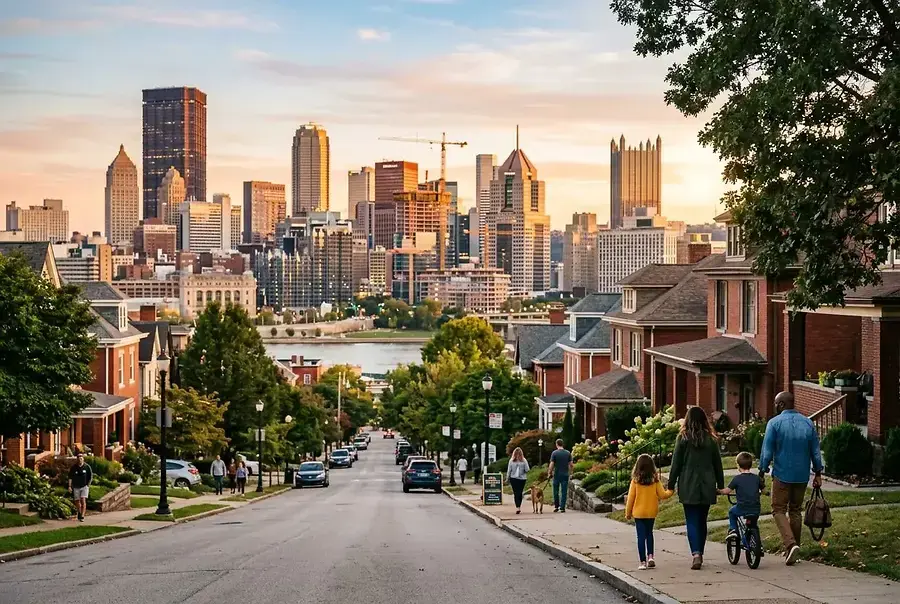
Why Pittsburgh Area Communities Matter for Real Estate Investors
The Pittsburgh metropolitan area has emerged as one of the most compelling real estate investment destinations in the Northeast. With a diverse economic base transitioning from traditional industries to technology, healthcare, and education sectors, the region offers unprecedented opportunities for both residential and commercial investors. The combination of affordable property values, strong rental demand, and community revitalization initiatives makes Western Pennsylvania neighborhoods increasingly attractive to those seeking sustainable returns.
Pittsburgh's resurgence has created a ripple effect throughout surrounding communities, from established neighborhoods within the city limits to rapidly developing suburbs and townships. Smart investors recognize that the best opportunities often lie in emerging areas poised for growth, where property values remain reasonable but fundamentals are strengthening. This guide explores twelve thriving communities that represent the most promising investment landscape in the region.
Residential Opportunities: Family-Friendly Neighborhoods and Property Values Across the Region
Urban Core Neighborhoods
Pittsburgh's urban neighborhoods continue to attract young professionals and families seeking walkable, vibrant communities. Areas like Lawrenceville, Highland Park, and Shadyside offer a mix of historic charm and modern amenities. These neighborhoods feature:
- Established infrastructure with excellent schools and public transportation
- Growing rental demand from young professionals and graduate students
- Appreciation potential as neighborhoods continue their revitalization
- Mixed-income opportunities ranging from modest renovations to luxury properties
Property values in these core neighborhoods have appreciated steadily, with rental yields remaining competitive. Investors can capitalize on the strong demand for both single-family homes and multi-unit properties.
Suburban Growth Corridors
Beyond the city, suburban communities are experiencing significant growth. Areas such as Mount Lebanon, Fox Chapel, and Penn Hills offer family-friendly environments with excellent schools and spacious properties. These neighborhoods attract:
- Families seeking suburban living with strong educational institutions
- Commuters working in downtown Pittsburgh and surrounding business districts
- Empty nesters downsizing from larger properties
- Investors seeking stable, long-term rental income
Suburban properties typically offer larger lot sizes and newer construction, appealing to a broad demographic. The combination of quality schools, safety, and community amenities supports consistent property value growth and reliable tenant demand.
Emerging Township Markets
Lancaster Township, Murrysville, and other developing areas represent the frontier of Pittsburgh-area real estate investment. These communities offer:
- Significantly lower entry prices compared to established neighborhoods
- Strong population growth driven by new residential development
- Improved infrastructure including roads, utilities, and commercial services
- Long-term appreciation potential as communities mature
Investors with a longer time horizon can capitalize on emerging markets where fundamental improvements are underway but property values haven't yet fully reflected future potential.
Commercial Real Estate Potential: Mixed-Use and Business Development in Growing Suburbs
Mixed-Use Development Opportunities
The region's commercial landscape is evolving toward mixed-use developments that combine residential, retail, and office spaces. These projects create vibrant community hubs and offer investors multiple revenue streams. Key characteristics include:
- Ground-floor retail with upper-level residential or office space
- Walkable town centers attracting both residents and businesses
- Flexible lease structures accommodating various business types
- Strong tenant demand from service providers and specialty retailers
Mixed-use properties typically command premium rents and attract quality tenants seeking high-traffic locations with residential populations nearby.
Office and Business Parks
Pittsburgh's growing technology and healthcare sectors drive demand for modern office space. Suburban business parks offer:
- Lower occupancy costs than downtown locations
- Ample parking and modern amenities
- Flexible lease terms for growing companies
- Access to skilled workforce from surrounding residential communities
Companies relocating from expensive coastal markets find Pittsburgh's business parks offer excellent value while maintaining professional standards and accessibility.
Retail and Service Centers
Community-focused retail continues to thrive in suburban locations. Successful retail properties feature:
- Anchor tenants providing consistent foot traffic
- Complementary service businesses creating destination appeal
- Strong demographic support from surrounding residential areas
- Convenient accessibility and ample parking
Investors should focus on properties serving essential community needs—grocery stores, healthcare services, and personal services—which demonstrate resilience and consistent performance.
Choosing Your Next Investment in Western Pennsylvania's Diverse Communities
The Pittsburgh area offers something for every real estate investor, whether you're seeking steady residential rental income, commercial property appreciation, or mixed-use development opportunities. Success requires understanding each community's unique characteristics, growth drivers, and demographic trends.
For residential investors: Consider your target tenant profile and desired property type. Urban neighborhoods attract young professionals and students, while suburbs appeal to families and established professionals. Emerging townships offer growth potential for patient investors.
For commercial investors: Evaluate tenant demand, location accessibility, and long-term economic fundamentals. Mixed-use properties offer diversification, while specialized properties like office parks require careful tenant analysis.
The key to successful Pittsburgh-area investing is recognizing that the region's economic transformation creates opportunities at every stage of community development. Whether you're drawn to established neighborhoods with proven track records or emerging markets with significant upside potential, Western Pennsylvania's diverse communities provide a compelling investment landscape.
Start by identifying communities that align with your investment strategy, timeline, and risk tolerance. Engage with local real estate professionals, visit neighborhoods at different times, and analyze comparable sales data. The Pittsburgh area's combination of affordability, growth potential, and quality of life makes it an increasingly attractive destination for real estate investors seeking both returns and community impact.