Pittsburgh Home Buyers: Understanding Property Taxes and Closing Costs
Learn what hidden expenses to budget for when purchasing residential real estate in Pittsburgh.

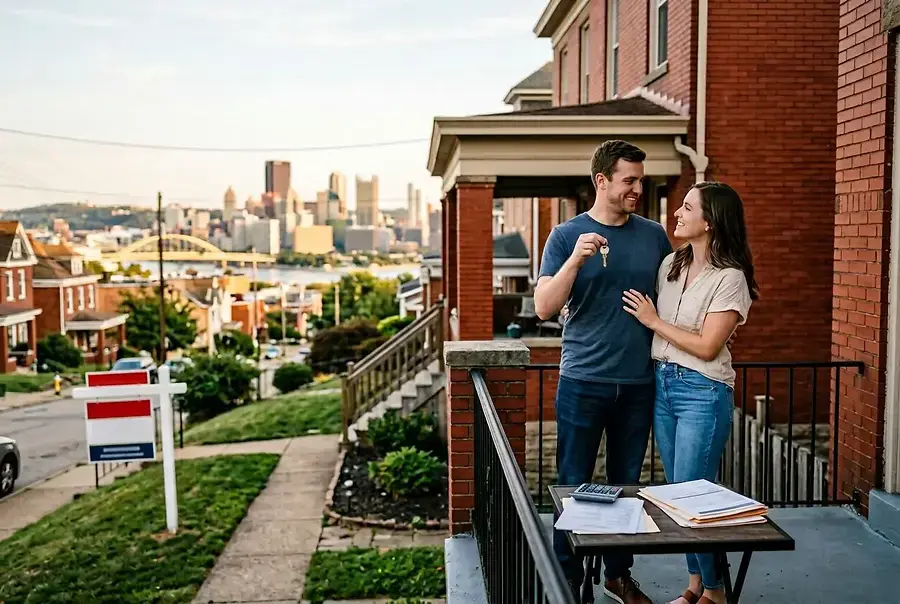
The True Cost of Homeownership Beyond the Purchase Price
When most people think about buying a home in Pittsburgh, they focus on the purchase price. However, the actual cost of homeownership extends far beyond the down payment and mortgage. Understanding the full financial picture is essential for any prospective buyer looking to make an informed decision.
Property taxes and closing costs represent significant expenses that can catch first-time homebuyers off guard. These hidden costs can add thousands of dollars to your total investment, making it crucial to budget accordingly. By understanding what to expect, you can avoid financial surprises and plan your purchase more effectively.
Understanding Pittsburgh's Property Tax System and Assessment Process
How Pittsburgh Property Taxes Work
Pittsburgh's property tax system is one of the most important factors to consider when purchasing a home in the area. Property taxes in Pittsburgh are calculated based on the assessed value of your property, which is determined by the Allegheny County Assessment Office.
The tax rate in Pittsburgh consists of two components:
- City of Pittsburgh tax rate: Applied to the assessed value of your property within city limits
- School district tax rate: Varies depending on which school district your property is located in
Combined, these rates can result in an effective property tax rate that homeowners need to budget for annually. It's important to research the specific rates for your desired neighborhood, as they can vary significantly across different areas of Pittsburgh.
The Assessment Process Explained
The Allegheny County Assessment Office conducts property assessments to determine the fair market value of your home. This assessment is not the same as an appraisal conducted for mortgage purposes, and understanding the difference is important.
The assessment process typically includes:
- Physical inspection of the property (interior and exterior)
- Comparison with similar properties in the area
- Review of recent sales data and market trends
- Consideration of property improvements and condition
Assessments are updated periodically, and property owners have the right to appeal if they believe their assessment is inaccurate. Many Pittsburgh homeowners successfully challenge assessments, resulting in lower property tax bills. If you receive an assessment notice, consider reviewing it carefully or consulting with a tax professional.
Budgeting for Annual Property Taxes
To estimate your annual property tax burden, multiply your home's assessed value by the applicable tax rate. For example, a home assessed at $200,000 with a combined tax rate of 1.5% would result in an annual property tax bill of $3,000.
Pro tip: Ask your real estate agent or lender to provide estimates of property taxes for homes you're considering. This will help you factor these costs into your overall budget before making an offer.
Closing Costs Breakdown: What Buyers Actually Pay at Settlement
Common Closing Costs for Pittsburgh Homebuyers
Closing costs are the fees and expenses you'll pay at settlement when you officially take ownership of your new home. These costs typically range from 2% to 5% of the purchase price, though they can vary based on your specific situation.
Here are the most common closing costs you'll encounter:
- Loan origination fees: Charged by your lender for processing your mortgage application
- Appraisal fee: Cost of the professional appraisal required by your lender
- Title search and insurance: Ensures the property has a clear title and protects against future claims
- Home inspection: Professional inspection to identify any structural or mechanical issues
- Survey fee: Determines exact property boundaries (may not always be required)
- Attorney fees: Pennsylvania requires an attorney to handle the closing process
- Property taxes and homeowners insurance: Prorated amounts for the remainder of the year
- HOA fees: If applicable, prepaid amounts for homeowners associations
Understanding the Closing Disclosure
Three days before closing, your lender must provide you with a Closing Disclosure document. This document itemizes all closing costs and loan terms, giving you time to review and ask questions before settlement.
Take time to carefully review this document and compare it with your initial Loan Estimate. Look for any unexpected fees or charges that weren't previously disclosed. If you notice discrepancies, contact your lender immediately to clarify.
Negotiating Closing Costs
Many closing costs are negotiable, particularly in a buyer's market. Consider asking the seller to cover certain closing costs as part of your purchase agreement. This is especially common for repairs or credits toward closing expenses.
Additionally, shop around with different lenders to compare loan origination fees and other lender-specific charges. Even small differences in fees can add up to significant savings over the life of your loan.
Preparing Financially for Closing
Before closing day, ensure you have sufficient funds available. You'll need to bring a cashier's check or arrange a wire transfer for your down payment and closing costs. Your lender will provide a final accounting of exactly how much you need to bring to closing.
Budget for unexpected costs as well. If the home inspection reveals issues, you may need to negotiate repairs or credits, which could affect your final closing costs.
Planning Your Budget for a Smooth Pittsburgh Home Purchase
Successfully purchasing a home in Pittsburgh requires careful financial planning and a thorough understanding of all associated costs. By accounting for property taxes and closing costs upfront, you can avoid financial stress and make a more informed purchasing decision.
Here are key takeaways to remember:
- Research property tax rates in your desired neighborhood before making an offer
- Request property tax estimates from your real estate agent or lender
- Budget for closing costs ranging from 2% to 5% of the purchase price
- Review your Closing Disclosure carefully at least three days before settlement
- Negotiate closing costs with the seller when possible
- Shop around with multiple lenders to find the best rates and fees
- Set aside emergency funds for unexpected expenses during the buying process
Working with experienced professionals—including a real estate agent, mortgage lender, and attorney—can help you navigate the Pittsburgh home buying process with confidence. These experts can provide valuable insights into local market conditions, help you understand your financial obligations, and ensure a smooth closing experience.
With proper planning and knowledge, you'll be well-prepared to purchase your Pittsburgh home and understand the true cost of your investment.