Pittsburgh Home Inspection Essentials: What Buyers Must Know
Discover the critical inspection checklist that protects your residential investment in Pittsburgh's diverse housing market.

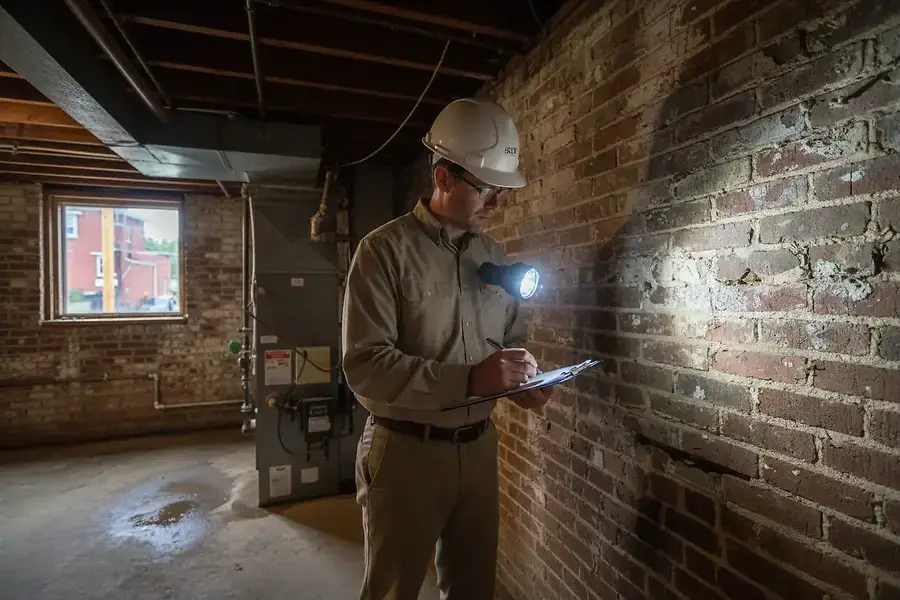
Why Home Inspections Matter in Pittsburgh's Real Estate Market
Purchasing a home is one of the most significant financial decisions you'll make, and in Pittsburgh's diverse real estate market, a thorough home inspection is absolutely critical. Pittsburgh's housing stock ranges from historic Victorian homes to modern suburban properties, each with unique characteristics and potential challenges. A professional home inspection provides you with an objective assessment of your potential investment, identifying issues that could cost thousands of dollars in repairs down the road.
The Pittsburgh area experiences distinct seasonal weather patterns, including cold winters and humid summers, which can impact home structures differently than other regions. A comprehensive inspection tailored to Pittsburgh's climate and housing styles can reveal problems that untrained eyes might miss, such as foundation settling, water infiltration issues, and aging systems common to older homes in the region.
Without a proper inspection, you risk inheriting costly repairs, safety hazards, and structural problems that could diminish your property's value and your quality of life. Smart buyers in Pittsburgh understand that investing in a professional inspection is investing in peace of mind and financial protection.
Key Areas to Inspect: Foundation, Systems, and Structural Integrity
Foundation and Structural Components
Pittsburgh's geology and soil composition make foundation inspection particularly important. Many Pittsburgh homes, especially those built decades ago, sit on clay-based soil that can shift and settle over time. During your inspection, look for:
- Visible cracks in basement walls or floors
- Water stains or moisture damage indicating past or present water intrusion
- Uneven floors or doors that don't close properly
- Bowing or leaning walls
- Deteriorating mortar between foundation stones
Foundation issues in Pittsburgh homes can range from minor cosmetic cracks to serious structural problems requiring expensive repairs. A qualified inspector will determine whether issues are cosmetic or require immediate attention.
Roofing and Weather Protection
Pittsburgh's weather demands a robust roofing system. Your inspection should evaluate:
- Roof age and remaining lifespan
- Missing, cracked, or curled shingles
- Proper flashing around chimneys, vents, and skylights
- Gutters and downspout condition and functionality
- Signs of water damage in attics and upper ceilings
A compromised roof can lead to interior water damage, mold growth, and structural deterioration, making this one of the most critical inspection areas for Pittsburgh homeowners.
Plumbing and Water Systems
Water-related issues are common in Pittsburgh homes, particularly in older properties. Inspectors should examine:
- Water pressure and flow rates
- Pipe material and condition (galvanized, copper, PVC)
- Evidence of leaks or water damage
- Sump pump functionality in basements
- Water heater age and condition
- Septic system or municipal sewer connection status
Electrical Systems
Electrical safety is paramount. Your inspector will check:
- Panel capacity and condition
- Proper grounding and bonding
- GFCI outlets in bathrooms and kitchens
- Outdated wiring that may pose fire hazards
- Adequate outlets and proper circuit distribution
HVAC and Climate Control
Pittsburgh's temperature extremes require reliable heating and cooling systems. Inspectors evaluate:
- Furnace or heat pump age and efficiency
- Air conditioning unit condition
- Ductwork integrity and insulation
- Thermostat functionality
- Maintenance history and remaining lifespan
Understanding Inspection Reports and Red Flags Specific to Pittsburgh Homes
Interpreting Your Inspection Report
A professional inspection report should be detailed, organized, and easy to understand. The report will categorize findings into three levels: items needing immediate attention, items to monitor, and recommendations for future maintenance.
Don't ignore items marked as "immediate attention" or "safety concerns." These could include electrical hazards, structural problems, or system failures that pose risks to occupants or require costly repairs.
Pittsburgh-Specific Red Flags
Certain issues are particularly common in Pittsburgh homes due to the region's age, climate, and geology:
- Basement moisture and flooding: Pittsburgh's heavy rainfall and older drainage systems make water intrusion a frequent problem
- Aging cast iron plumbing: Many older Pittsburgh homes have deteriorating cast iron pipes that may need replacement
- Outdated electrical systems: Historic Pittsburgh homes often have inadequate electrical capacity for modern needs
- Asbestos and lead paint: Homes built before the 1980s may contain these hazardous materials
- Settling and foundation cracks: Pittsburgh's soil composition contributes to foundation movement over time
- Chimney deterioration: Many Pittsburgh homes have brick chimneys that require regular maintenance
When to Request Further Evaluation
If your general inspection reveals potential problems, don't hesitate to hire specialized inspectors.
Specialists in areas like foundation repair, mold assessment, or radon testing can provide detailed analysis and cost estimates for remediation.This additional investment can save you from making a costly mistake.
Making Informed Decisions with Professional Inspection Insights
Armed with a comprehensive inspection report, you're in a strong position to make an informed decision about your Pittsburgh home purchase. Use the inspection findings to:
- Negotiate repairs or credits with the seller
- Budget for necessary maintenance and upgrades
- Understand the true condition and value of the property
- Plan for future repairs and improvements
- Ensure the home meets your safety and comfort standards
Remember, a home inspection is not a pass-or-fail evaluation—it's a detailed snapshot of the property's condition. Every home has some issues; the question is whether those issues are acceptable to you and whether you're prepared to address them.
Pittsburgh's real estate market offers wonderful opportunities for homebuyers, from charming historic neighborhoods to modern developments. By investing in a thorough professional inspection and understanding the specific challenges common to Pittsburgh homes, you're taking the most important step toward protecting your investment and ensuring your new home is a safe, sound place to build your future.


