Pittsburgh Home Inspection Essentials: What Buyers Must Know
Learn the critical inspection checklist that protects your investment and uncovers hidden issues before closing on a Pittsburgh property.

Why Home Inspections Matter in Pittsburgh's Housing Market
Purchasing a home is one of the most significant financial decisions you'll make in your lifetime. In Pittsburgh's competitive real estate market, a professional home inspection serves as your critical safeguard against costly surprises after closing. Whether you're buying a historic Victorian in Shadyside or a modern property in the Strip District, understanding what inspectors evaluate can mean the difference between a sound investment and a money pit.
A comprehensive home inspection provides an objective assessment of a property's condition, identifying structural issues, mechanical failures, and safety concerns that might not be visible to the untrained eye. For Pittsburgh homebuyers, this is especially important given the region's diverse housing stock, ranging from century-old homes with unique challenges to newer constructions that may have installation defects.
Why Pittsburgh homes require special attention: The city's climate, with its cold winters and moderate precipitation, creates specific wear patterns on roofing, foundations, and exterior structures. Additionally, many Pittsburgh neighborhoods feature older homes built before modern building codes were established, making thorough inspections even more critical.
Key Areas Pittsburgh Inspectors Evaluate: Foundation, Roofing, and Systems
Foundation and Structural Integrity
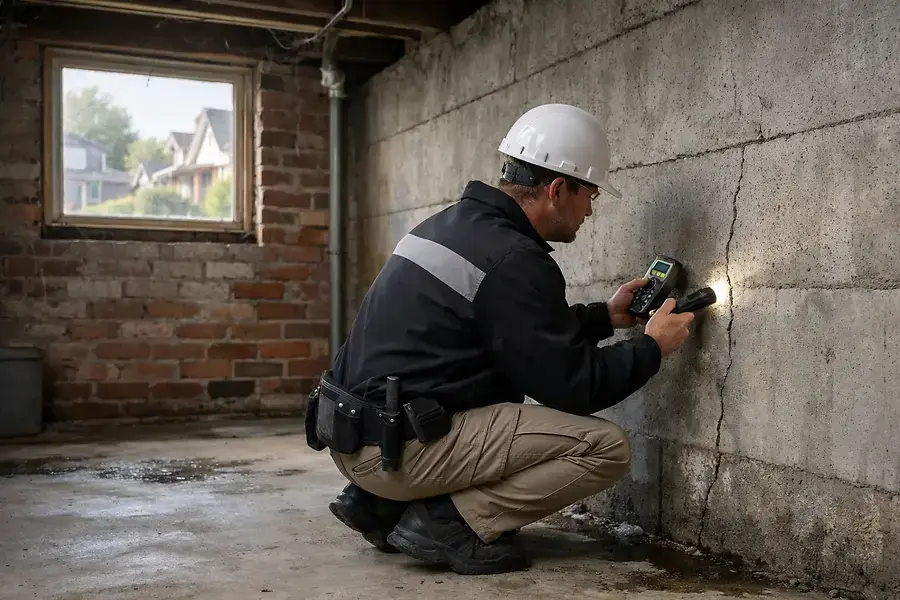
The foundation is the literal backbone of any home. Pittsburgh inspectors pay close attention to foundation conditions because the region's soil composition and freeze-thaw cycles can cause settling, cracking, and water intrusion. Inspectors look for:
- Visible cracks in basement walls or floors
- Signs of water damage or moisture accumulation
- Bowing or leaning walls
- Gaps between the foundation and walls
- Evidence of previous repairs or patching
A small crack might be cosmetic, but diagonal or horizontal cracks can indicate serious structural problems requiring immediate attention.
Roofing Systems
Pittsburgh's weather demands a robust roofing system. Inspectors evaluate roof condition by examining:
- Shingle condition and remaining lifespan
- Flashing around chimneys, vents, and skylights
- Gutter and downspout functionality
- Signs of leaks or water damage in attic spaces
- Proper ventilation to prevent ice dams
A roof replacement can cost $8,000 to $15,000 or more, making this assessment crucial for your budget planning.
Mechanical and Electrical Systems
Modern homes depend on complex systems that require professional evaluation:
- HVAC Systems: Heating and cooling efficiency, age, and maintenance history
- Electrical Systems: Panel capacity, grounding, outdated wiring (especially knob-and-tube wiring in older Pittsburgh homes)
- Plumbing: Water pressure, drainage, pipe material and condition, water heater functionality
- Gas Lines: Safety and proper installation
These systems often represent thousands of dollars in potential repairs if they fail shortly after purchase.
Red Flags and Common Issues Found in Pittsburgh Homes
Water Damage and Moisture Problems
Pittsburgh's humid climate and precipitation make water intrusion a common concern. Inspectors watch for:
- Staining on ceilings or walls indicating roof leaks
- Mold or mildew growth in basements or crawl spaces
- Efflorescence (white mineral deposits) on foundation walls
- Wet basements or standing water
Water damage is progressive—what seems minor today can become catastrophic without proper remediation.
Outdated or Unsafe Electrical Systems
Many Pittsburgh homes built before the 1970s contain outdated electrical systems that pose fire hazards. Common issues include:
- Knob-and-tube wiring lacking proper grounding
- Aluminum wiring prone to corrosion
- Insufficient electrical capacity for modern appliances
- Missing ground fault circuit interrupters (GFCIs) in bathrooms and kitchens
Upgrading electrical systems can be expensive but is essential for safety and insurance purposes.
Plumbing Concerns
Pittsburgh's older homes frequently feature aging plumbing systems. Inspectors identify:
- Galvanized steel pipes that corrode and restrict water flow
- Cast iron drain pipes deteriorating from the inside
- Polybutylene plastic pipes prone to failure
- Inadequate water pressure or drainage issues
HVAC System Age and Efficiency
Heating systems are critical in Pittsburgh's climate. Red flags include:
- Systems over 15-20 years old nearing end of lifespan
- Inefficient furnaces or boilers increasing utility costs
- Lack of air conditioning in older homes
- Poor ductwork design or insulation
Structural Issues Specific to Pittsburgh
The region's topography and soil conditions create unique challenges:
- Foundation settling due to clay soil composition
- Basement flooding from poor drainage or sump pump failure
- Chimney deterioration from weather exposure
- Asbestos in insulation and building materials in older homes
Making Informed Decisions with Professional Inspection Insights
A thorough home inspection report provides detailed documentation of a property's condition, complete with photographs and recommendations for repairs or further evaluation. Use this information strategically:
Negotiate repairs or credits: If significant issues are discovered, you can request that the seller address them before closing or provide credits toward repairs you'll handle yourself.
Plan your budget: Understanding what repairs are needed helps you allocate funds appropriately and avoid financial surprises after purchase.
Prioritize safety concerns: Address electrical hazards, structural problems, and water damage immediately, as these affect both safety and property value.
Schedule follow-up inspections: For specific concerns like mold, radon, or pest damage, hire specialized inspectors to provide detailed assessments.
Pittsburgh's real estate market rewards informed buyers who invest in professional inspections. By understanding what inspectors evaluate and recognizing common issues in the region's housing stock, you protect your investment and make confident decisions about your new home. Don't skip this critical step—your future self will thank you.


