Pittsburgh Home Inspection Essentials: What Buyers Must Know
Discover the critical inspection points every Pittsburgh homebuyer should understand to avoid costly surprises and make confident purchasing decisions.

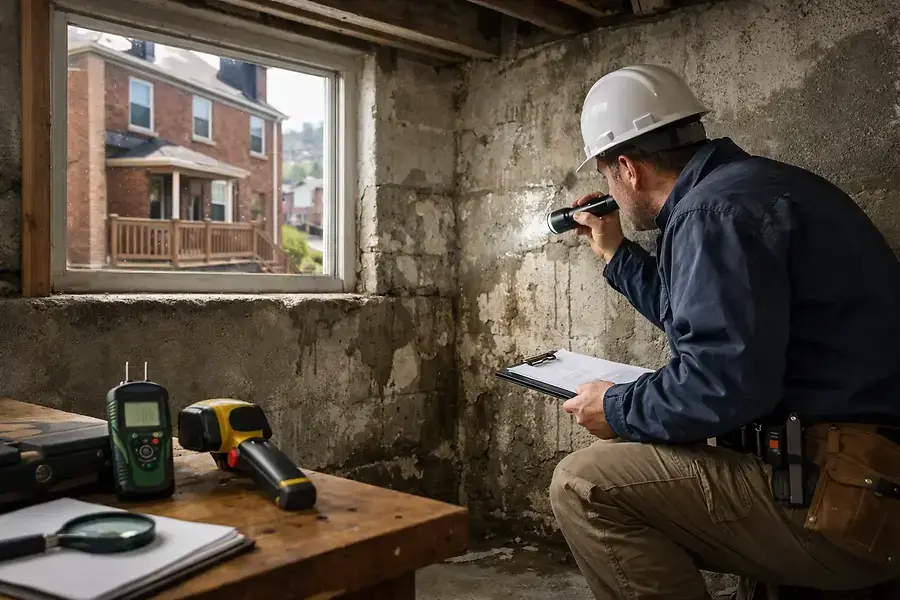
Why Home Inspections Matter in Pittsburgh's Real Estate Market
Purchasing a home is one of the most significant financial decisions you'll make in your lifetime. In Pittsburgh's competitive real estate market, a thorough home inspection is not just a formality—it's your safeguard against inheriting costly problems. Whether you're buying a charming Victorian in Shadyside or a modern townhome in the Strip District, understanding what inspectors look for can save you thousands of dollars and countless headaches.
A professional home inspection provides an objective evaluation of a property's condition, identifying issues that may not be visible during a casual walkthrough. In Pittsburgh, where many homes were built decades ago, this detailed assessment becomes even more critical. Inspectors examine everything from the foundation to the roof, uncovering problems that could affect your safety, comfort, and long-term investment value.
Common Issues Found in Pittsburgh Homes: Older Construction, Weather, and Foundation Concerns
Aging Infrastructure and Outdated Systems
Pittsburgh's housing stock includes many older properties with aging infrastructure. Common issues inspectors find include:
- Outdated electrical systems that may not meet modern safety codes
- Plumbing problems such as corroded pipes or outdated materials
- HVAC systems nearing the end of their lifespan
- Roof deterioration from years of exposure to harsh weather
These systems often require replacement or significant repairs, which can be expensive. Understanding their condition before purchase allows you to budget accordingly or negotiate repairs with the seller.
Foundation and Structural Concerns
Pittsburgh's geography and climate create unique challenges for home foundations. The region's clay-heavy soil and freeze-thaw cycles can cause:
- Foundation cracks ranging from minor to severe
- Water intrusion in basements and crawl spaces
- Settling and shifting that affects structural integrity
- Efflorescence (white mineral deposits) indicating moisture problems
A qualified inspector will assess whether these issues are cosmetic or require professional remediation. This distinction is crucial for your decision-making process.
Weather-Related Damage
Pittsburgh experiences significant seasonal weather variations. Inspectors specifically look for:
- Ice dam damage and inadequate attic ventilation
- Roof leaks and missing or damaged shingles
- Gutter and downspout issues affecting water drainage
- Exterior wood rot on siding, trim, and decks
These weather-related problems are particularly common in Pittsburgh and can lead to interior water damage if not properly maintained.
What to Expect During the Inspection Process and How to Review the Report
The Inspection Day
A typical home inspection takes two to three hours. The inspector will systematically examine:
- Exterior components including roof, siding, and landscaping
- Foundation and basement or crawl space
- Interior systems including electrical, plumbing, and HVAC
- Appliances and built-in systems
- Attic and ventilation systems
Pro tip: Attend the inspection if possible. This gives you the opportunity to ask questions and understand issues firsthand. Many inspectors will walk you through their findings as they work.
Understanding the Inspection Report
After the inspection, you'll receive a detailed report categorizing findings into three levels:
- Safety Issues: Problems that pose immediate danger and require urgent attention
- Major Repairs: Significant issues affecting home systems or structural integrity
- Minor Issues: Small problems that should be addressed but aren't urgent
The report will include photographs, descriptions, and recommendations for each finding. Take time to review it carefully and don't hesitate to ask your inspector or real estate agent to clarify anything you don't understand.
Red Flags to Watch For
Certain findings should trigger serious consideration:
- Structural damage or foundation issues requiring engineering assessment
- Mold or asbestos requiring professional remediation
- Outdated electrical panels or knob-and-tube wiring
- Significant water damage indicating ongoing moisture problems
- HVAC systems beyond their expected lifespan
These issues often require specialized contractors and can be costly to address.
Using Inspection Findings to Negotiate and Protect Your Investment
Negotiation Strategies
Once you have the inspection report, you have several options:
- Request repairs: Ask the seller to fix identified issues before closing
- Request credits: Negotiate a price reduction to cover repair costs yourself
- Request inspections: Ask for specialized assessments (structural engineer, pest inspector, etc.)
- Walk away: If issues are too severe or costly, you may choose to terminate the contract
The strength of your negotiating position depends on the local market conditions and the severity of the issues found. Your real estate agent can provide valuable guidance on what's reasonable to request.
Protecting Your Long-Term Investment
Even if you decide to proceed with the purchase, use the inspection findings to plan for future maintenance and repairs. Create a prioritized list of needed work and budget accordingly. Some issues can wait, while others require immediate attention to prevent further damage.
Consider obtaining a home warranty that covers major systems and appliances. This provides additional protection during your first year of ownership and can help offset unexpected repair costs.
Moving Forward with Confidence
A thorough home inspection empowers you to make an informed decision about one of your largest investments. Whether you're a first-time homebuyer or an experienced investor, understanding Pittsburgh's unique housing challenges ensures you're prepared for what lies ahead.
Remember:
A home inspection isn't about finding reasons to walk away—it's about understanding what you're buying and making decisions based on facts, not emotions.
By taking the inspection process seriously and carefully reviewing the findings, you'll be well-equipped to negotiate effectively, budget for repairs, and protect your investment in Pittsburgh's dynamic real estate market.


