Pittsburgh Home Inspection Essentials: What Buyers Need to Know
Discover the critical inspection checklist that protects your investment and reveals hidden issues before closing day.

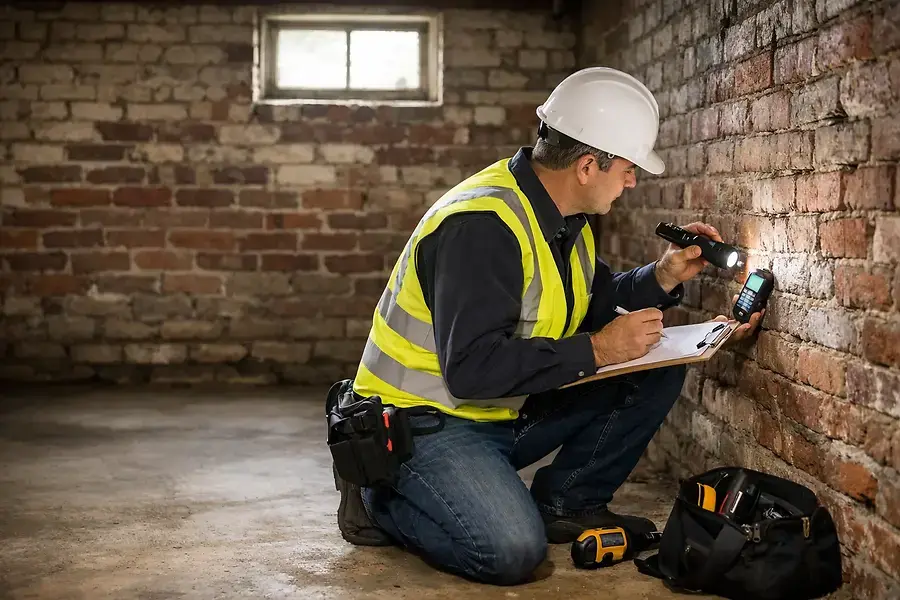
Why Professional Home Inspections Matter in Pittsburgh's Real Estate Market
Purchasing a home is one of the most significant investments you'll make in your lifetime. In Pittsburgh's competitive real estate market, a professional home inspection serves as your financial safeguard and peace of mind. Many buyers skip this crucial step to save money or speed up the closing process, but this decision can cost thousands in unexpected repairs down the road.
A thorough home inspection reveals hidden defects that aren't visible during a casual walkthrough. From foundation cracks to faulty electrical wiring, inspectors identify issues that could affect your safety, comfort, and the property's resale value. In Pittsburgh specifically, where many homes were built decades ago, inspections are particularly valuable for uncovering age-related wear and tear.
A professional home inspection typically costs between $300-$500 but can save you tens of thousands in avoided repairs and negotiation leverage.
The Complete Pittsburgh Home Inspection Checklist: Structural Foundation, Systems, and Safety
Structural and Foundation Assessment
The foundation is your home's backbone. Inspectors examine:
- Cracks in concrete or brick foundations
- Water damage and moisture intrusion
- Settling or shifting of the structure
- Basement walls for bowing or deterioration
- Proper grading around the foundation
Pittsburgh's clay-heavy soil and freeze-thaw cycles can cause foundation movement. Early detection prevents catastrophic damage that could compromise your entire home's structural integrity.
Roof and Exterior Inspection
Your roof protects everything underneath. Inspectors evaluate:
- Shingle condition and remaining lifespan
- Flashing around chimneys and vents
- Gutters and downspout functionality
- Siding condition and water penetration
- Windows and door seals
Pittsburgh's weather patterns—including heavy snow and rain—demand special attention to roof integrity. A failing roof can lead to interior water damage affecting insulation, drywall, and structural components.
Electrical, Plumbing, and HVAC Systems
These systems keep your home functioning safely and comfortably:
- Electrical: Panel condition, outdated wiring, grounding issues, and code compliance
- Plumbing: Water pressure, drain functionality, pipe material and corrosion, water heater age and condition
- HVAC: Furnace and air conditioning efficiency, ductwork integrity, thermostat operation
Older Pittsburgh homes often have knob-and-tube wiring or galvanized pipes that may need replacement. These upgrades are expensive but essential for safety and functionality.
Interior and Safety Features
Inspectors also check:
- Insulation levels in attic and walls
- Ventilation and moisture control
- Smoke and carbon monoxide detectors
- Stair railings and handrails
- Deck safety and structural integrity
- Presence of hazardous materials like asbestos or lead paint
Common Issues Found in Pittsburgh Homes: Age-Related Concerns and Climate Factors
Age-Related Wear and Tear
Pittsburgh's housing stock includes many historic and older properties. Common age-related issues include:
- Outdated electrical systems unable to handle modern power demands
- Deteriorating plumbing with corroded pipes and mineral buildup
- Settling foundations causing cracks and uneven floors
- Outdated HVAC systems with poor efficiency and high operating costs
Climate and Environmental Factors
Pittsburgh's climate creates specific challenges:
- Water intrusion: Heavy rainfall and snowmelt can cause basement flooding and foundation damage
- Freeze-thaw cycles: Winter freezing and spring thawing stress foundations, roofs, and exterior materials
- Humidity: High moisture levels promote mold growth and wood rot
- Soil composition: Clay-based soil expands and contracts, affecting foundation stability
These environmental factors make Pittsburgh home inspections particularly thorough compared to other regions.
Lead Paint and Asbestos
Homes built before 1978 likely contain lead-based paint, which poses health risks—especially to children. Many older Pittsburgh homes also contain asbestos in insulation, floor tiles, and roofing materials. Professional inspectors identify these hazards, allowing you to plan remediation or factor costs into your offer.
Using Inspection Results to Negotiate and Protect Your Investment
Once you receive the inspection report, you have several options:
- Request repairs: Ask the seller to fix critical issues before closing
- Negotiate credits: Receive a price reduction to cover repair costs yourself
- Walk away: Cancel the purchase if issues are too severe or costly
- Plan ahead: Budget for repairs you choose to handle after purchase
Focus negotiations on major systems and safety issues rather than cosmetic concerns. A failing roof or faulty electrical panel deserves attention; outdated paint or worn flooring can be addressed later.
The inspection period—typically 7-10 days—is your window to request repairs or renegotiate terms. Use this time wisely.
Work with your real estate agent to understand which issues are negotiable and which are typical for Pittsburgh homes of that age. Some sellers expect buyers to accept certain conditions in older properties, while others may be willing to address significant concerns.
Conclusion: Protecting Your Pittsburgh Home Investment
A professional home inspection is not an optional expense—it's a critical investment in your future. In Pittsburgh's diverse housing market, where properties range from Victorian-era homes to modern constructions, inspections reveal the true condition behind the curb appeal.
By understanding what inspectors look for, recognizing common Pittsburgh-specific issues, and using inspection results strategically, you protect yourself from costly surprises and negotiate from a position of knowledge. Don't let the excitement of finding your dream home overshadow the importance of due diligence.
Schedule your professional home inspection early in the buying process, review the report carefully, and use the findings to make informed decisions about your purchase. Your future self will thank you for taking this essential step.


