Pittsburgh Home Inspections: A Buyer's Complete Guide to Protecting Your Investment
Master the critical inspection process to protect your investment and avoid costly surprises in Pittsburgh's competitive real estate market.

Introduction: Why Home Inspections Matter in Pittsburgh
Buying a home is one of the most significant financial decisions you'll make in your lifetime. In Pittsburgh's competitive real estate market, where properties move quickly and bidding wars are common, it's easy to get caught up in the excitement and overlook a critical step: the professional home inspection. This comprehensive guide will help you understand why inspections are essential and how to navigate the process with confidence.
A home inspection is your opportunity to uncover hidden problems before you commit to a purchase. Whether you're buying a historic Victorian in Shadyside, a modern condo in the Strip District, or a charming home in Squirrel Hill, a thorough inspection protects you from inheriting expensive repairs and structural issues that could drain your finances for years to come.
What to Expect During a Professional Home Inspection
The Inspection Timeline and Process
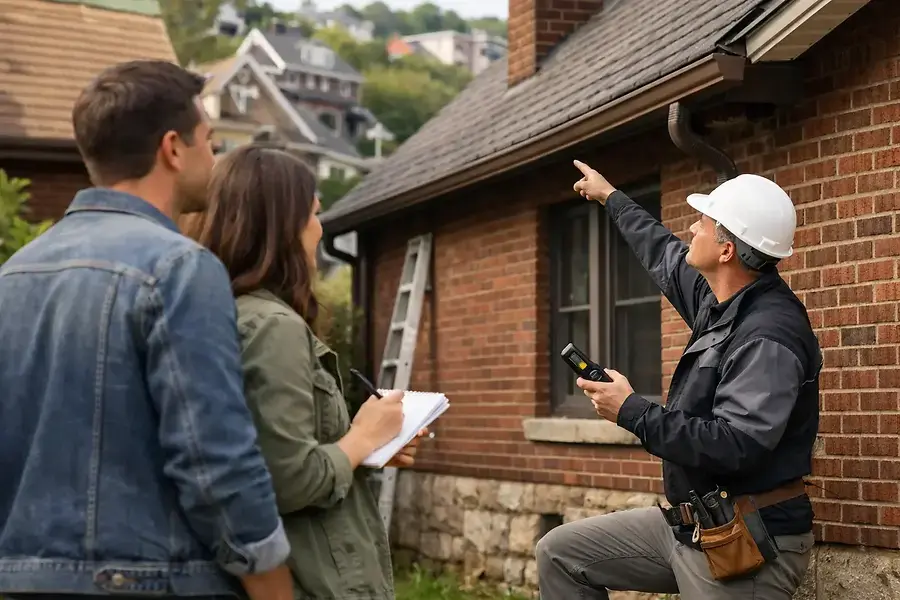
A typical home inspection in Pittsburgh takes between two to four hours, depending on the property's size and age. During this time, a certified inspector will systematically examine every major component of the home, both inside and outside. You have the right to be present during the inspection—in fact, it's highly recommended. This allows you to ask questions and learn about your potential home firsthand.
Key Areas Inspectors Examine
Professional inspectors evaluate:
- Structural Components: Foundation, walls, roof, and framing
- Roofing Systems: Condition, age, and remaining lifespan
- Exterior Elements: Siding, windows, doors, and drainage systems
- Plumbing Systems: Pipes, fixtures, water pressure, and sewage
- Electrical Systems: Panel, wiring, outlets, and safety features
- HVAC Systems: Furnace, air conditioning, and ventilation
- Interior Features: Walls, ceilings, floors, and built-in appliances
- Basement and Attic: Moisture, insulation, and ventilation
Understanding the Inspection Report
After the inspection, you'll receive a detailed report within 24-48 hours. This document categorizes findings into three levels: major issues requiring immediate attention, minor issues that should be addressed eventually, and maintenance recommendations for ongoing care. The report includes photographs, descriptions, and estimated repair costs, giving you a clear picture of the property's condition.
Common Issues Found in Pittsburgh Homes and How to Address Them
Water Damage and Moisture Problems
Pittsburgh's climate and older housing stock make water damage one of the most common issues inspectors find. Basements are particularly vulnerable to moisture intrusion, especially in homes built before modern waterproofing standards. Look for signs of water staining, mold, or efflorescence (white mineral deposits) on basement walls. Address this immediately—untreated moisture leads to structural damage, mold growth, and health concerns. Repair costs can range from simple caulking to extensive foundation work.
Aging Roofs and Gutters
Many Pittsburgh homes feature roofs that are 20-30 years old or older. Asphalt shingles typically last 15-25 years, so an aging roof is a significant concern. Inspectors will note missing shingles, curling, granule loss, and flashing issues. Gutter problems are equally common—clogged or damaged gutters contribute to water damage and foundation issues. Budget $8,000-$15,000 for a roof replacement and $1,000-$3,000 for gutter repairs.
Outdated Electrical Systems
Older Pittsburgh homes often have outdated electrical panels and wiring that don't meet current safety standards. Knob-and-tube wiring, aluminum wiring, and undersized panels are red flags. These issues pose fire hazards and may require complete rewiring. Modern electrical upgrades typically cost $3,000-$8,000, but they're essential for safety and insurance purposes.
HVAC System Age and Efficiency
Furnaces and air conditioning units have limited lifespans—typically 15-20 years. Inspectors will note the age and condition of these systems. Older units are less efficient and more prone to breakdowns. A new HVAC system costs $5,000-$10,000, but it's an investment in comfort and energy savings. Ask about the age of the system and request maintenance records.
Plumbing Issues and Pipe Materials
Pittsburgh homes built before the 1980s may have galvanized steel pipes that corrode over time, reducing water pressure and quality. Some older homes still have cast iron drain lines that deteriorate. Polybutylene plastic pipes, used in the 1980s-1990s, are prone to failure. Replacing plumbing systems is expensive—$5,000-$15,000 depending on the extent—but necessary for long-term reliability.
Foundation Cracks and Settlement
Pittsburgh's geology and older construction methods mean foundation issues aren't uncommon. Minor cracks are normal, but diagonal cracks, horizontal cracks, or signs of significant settlement require professional evaluation. Foundation repairs can be costly, ranging from $2,000 for minor work to $25,000+ for major structural issues.
Conclusion: Using Inspection Results to Negotiate and Make Confident Offers
Once you have your inspection report, you're in a powerful position to make informed decisions. Don't panic if issues are found—most homes have some problems. Instead, use the report strategically:
- Negotiate repairs: Ask the seller to fix major issues before closing
- Request credits: Have the seller provide a credit toward closing costs to cover repairs yourself
- Adjust your offer: Factor repair costs into your final purchase price
- Plan your budget: Prioritize repairs based on safety and urgency
In Pittsburgh's competitive market, a thorough home inspection is your best defense against costly surprises. By understanding what inspectors look for, recognizing common issues in Pittsburgh homes, and knowing how to use inspection results effectively, you'll make a confident, informed purchase decision. Your home inspection isn't just a formality—it's an investment in your peace of mind and financial security.
Remember: A professional home inspection typically costs $300-$500 but can save you thousands in unexpected repairs. It's one of the best investments you can make as a homebuyer.


