Pittsburgh Home Inspections: Essential Guide for Smart Buyers
Learn what professional inspectors look for and how to use inspection results to negotiate better deals on Pittsburgh properties.

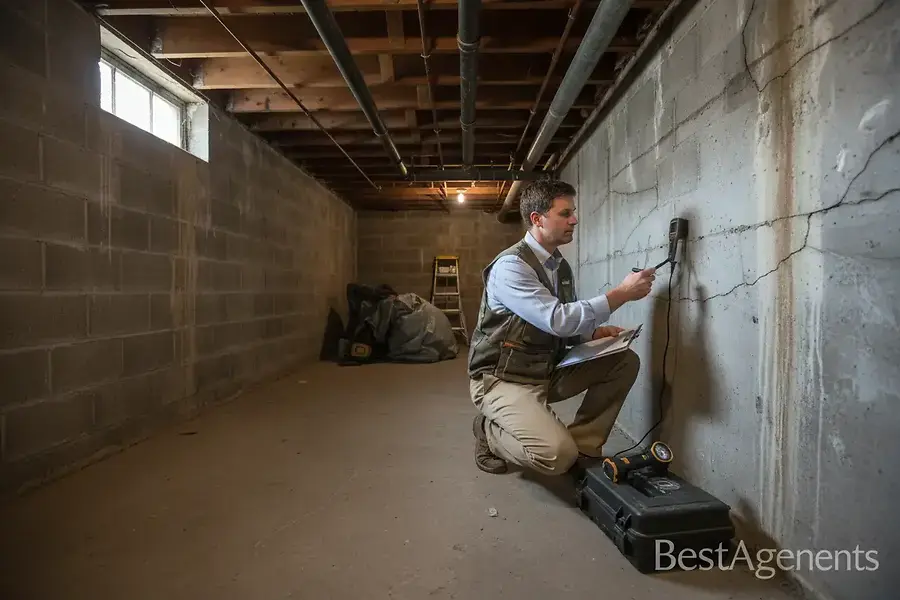
Understanding the Pittsburgh Home Inspection Process
A professional home inspection is one of the most critical steps in the home buying process. In Pittsburgh, where many properties feature unique architectural styles and aging infrastructure, a thorough inspection can reveal potential issues that might not be immediately visible to the untrained eye.
During a typical home inspection, a certified inspector will spend 2-3 hours examining the property from top to bottom. They evaluate the structural integrity, electrical systems, plumbing, HVAC systems, roofing, and more. The inspector will provide you with a detailed report documenting their findings, which becomes your roadmap for negotiations and future maintenance planning.
What Inspectors Examine
Professional inspectors follow a systematic approach when evaluating a property. Here's what they typically assess:
- Structural Components: Foundation, walls, floors, and roof structure
- Roofing: Shingles, flashing, gutters, and overall condition
- Exterior: Siding, windows, doors, and drainage systems
- Interior Systems: Electrical panels, wiring, and outlets
- Plumbing: Water pressure, drainage, and pipe conditions
- HVAC: Furnace, air conditioning, and ventilation systems
- Appliances: Functionality of included appliances
- Safety Features: Smoke detectors, carbon monoxide detectors, and handrails
Common Issues Found in Pittsburgh Properties and How to Address Them
Pittsburgh's climate and the age of many homes in the area create specific challenges that inspectors frequently encounter. Understanding these common issues helps you prepare for what might be discovered during your inspection.
Water Damage and Basement Issues
One of the most prevalent problems in Pittsburgh homes is water intrusion and basement moisture. The region's heavy rainfall and older drainage systems can lead to wet basements and foundation cracks. If water damage is found, you'll want to budget for proper waterproofing solutions, which can range from simple caulking to more extensive foundation repairs.
Aging Roofs and Gutters
Many Pittsburgh properties have roofs that are nearing the end of their lifespan. Inspectors will assess the age and condition of roofing materials. A roof replacement can be a significant expense, so this finding often becomes a key negotiation point. Additionally, clogged or damaged gutters can exacerbate water problems.
Outdated Electrical Systems
Older Pittsburgh homes may have outdated electrical panels or aluminum wiring, which can pose safety risks. Inspectors will note these issues, and addressing them may require hiring a licensed electrician. This is not something to ignore, as it affects both safety and insurance rates.
HVAC System Age
Furnaces and air conditioning systems typically last 15-20 years. If the inspection reveals an aging HVAC system, you should factor replacement costs into your decision-making process. This is often negotiable with sellers, especially if the system is close to failure.
Plumbing Concerns
Older homes may have galvanized pipes or cast iron drains that are corroding. While not always an immediate problem, these issues can lead to reduced water pressure or future leaks. Some buyers negotiate for partial replacement or plan for future upgrades.
Negotiating Repairs and Credits Based on Inspection Results
Once you have the inspection report in hand, you're in a stronger position to negotiate with the seller. Here's how to approach this strategically:
Prioritize Major Issues
Focus your negotiations on significant problems that affect safety, structural integrity, or major systems. Don't get bogged down negotiating minor cosmetic issues. Prioritize items like roof condition, foundation problems, electrical hazards, and HVAC functionality.
Get Repair Estimates
Before negotiating, obtain written estimates from licensed contractors for major repairs. This gives you concrete numbers to present to the seller and strengthens your negotiating position. Sellers are more likely to take your requests seriously when backed by professional estimates.
Request Repairs or Credits
You have two main options when issues are discovered:
- Request repairs: Ask the seller to fix the issues before closing
- Request credits: Ask for a credit toward closing costs to handle repairs yourself
Many buyers prefer credits because they can choose their own contractors and ensure quality work. However, some prefer having repairs completed before taking ownership.
Know When to Walk Away
If the inspection reveals extensive problems that would require significant investment, you may decide the property isn't worth pursuing. This is one of the most important protections a home inspection provides. Your inspection contingency allows you to back out of the deal if major issues are discovered.
Negotiate Reasonably
While you want to protect your interests, remember that sellers have limits too. Request repairs or credits for legitimate issues, but avoid being unreasonable. A collaborative approach often leads to better outcomes than an adversarial one.
Conclusion: Making Informed Decisions with Inspection Knowledge
A professional home inspection is an investment in your peace of mind and financial security. In Pittsburgh's diverse real estate market, where properties range from historic Victorian homes to modern developments, inspections are invaluable for understanding what you're buying.
Use your inspection report as a tool, not just a negotiating document. Even after you purchase the home, the report serves as a reference guide for maintenance and future repairs. Understanding the condition of your home's systems helps you plan for necessary upkeep and budget accordingly.
By understanding the inspection process, recognizing common Pittsburgh property issues, and negotiating effectively based on inspection results, you position yourself as a smart, informed buyer. This knowledge empowers you to make decisions that protect your investment and ensure you're getting fair value for your Pittsburgh home purchase.


