Pittsburgh Home Inspections: What Every Seller Should Know Before Listing
Discover the critical inspection issues that affect your home's sale price and how to address them before listing.

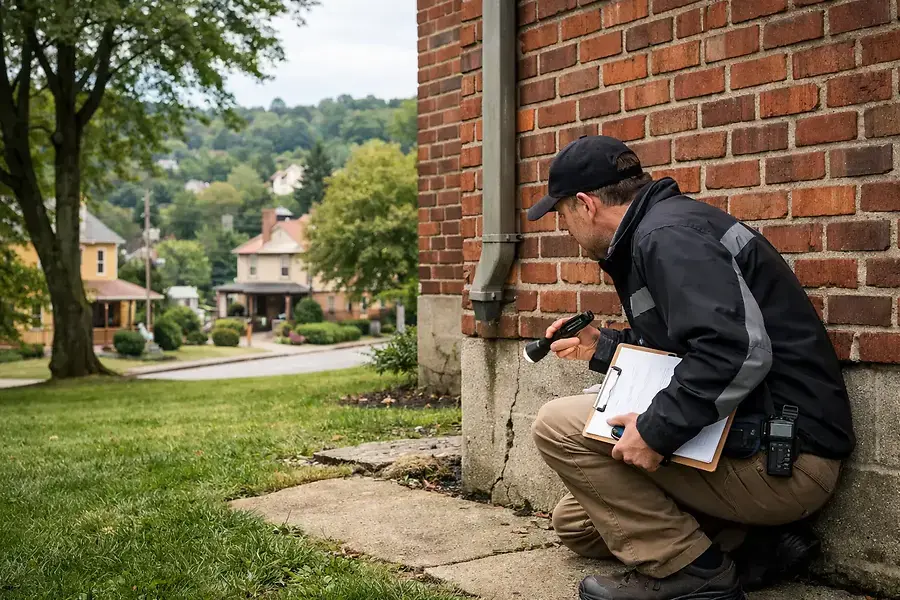
Understanding Pittsburgh's Common Home Inspection Issues
Pittsburgh's unique climate and older housing stock create specific inspection challenges that sellers need to understand. The region's freeze-thaw cycles, combined with heavy rainfall, make water intrusion one of the most common issues inspectors discover. Basements and crawl spaces frequently show signs of moisture damage, mold, or structural concerns that can significantly impact a home's value.
Older homes in Pittsburgh often feature outdated electrical systems, plumbing, and HVAC equipment. Knob-and-tube wiring, galvanized pipes, and aging furnaces are red flags that inspectors routinely identify. Additionally, many properties lack proper grounding or have insufficient electrical capacity for modern living standards.
Roof and Foundation Concerns
Pittsburgh's weather patterns are particularly harsh on roofing materials. Inspectors typically examine roof age, missing shingles, improper flashing, and signs of leaks. A roof nearing the end of its lifespan can be a major negotiation point and may require replacement before closing.
Foundation issues are equally critical. Settling, cracks, and water seepage are common in Pittsburgh homes, especially those built decades ago. Inspectors will assess the severity of any foundation damage, which can range from cosmetic to structurally significant.
HVAC and Insulation Problems
Many Pittsburgh homes lack adequate insulation, particularly in attics and walls. This directly impacts energy efficiency and heating costs. Inspectors also evaluate HVAC systems for age, maintenance, and functionality. Outdated systems may need replacement soon after purchase, which buyers will factor into their offers.
How Pre-Sale Inspections Impact Buyer Confidence and Offers
Conducting a pre-sale inspection before listing your home offers tremendous strategic advantages. When you identify and address issues proactively, you demonstrate transparency and care, which builds buyer confidence immediately.
The Transparency Advantage
Buyers who discover problems during their inspection often feel deceived, even if you weren't aware of the issues. By conducting your own inspection first, you control the narrative. You can disclose known issues upfront and show documentation of repairs or professional assessments, which significantly reduces buyer skepticism.
This transparency often results in:
- Higher initial offers from confident buyers
- Fewer inspection contingencies and renegotiations
- Faster closing timelines
- Reduced likelihood of deals falling through
Pricing Strategy and Market Positioning
A pre-sale inspection allows you to price your home accurately and competitively. If significant issues exist, you can adjust your asking price accordingly rather than facing price reductions after buyer inspections. This proactive approach prevents the frustration of multiple price negotiations.
Homes with documented pre-sale inspections and completed repairs often command premium prices compared to homes with unknown conditions. Buyers perceive less risk, which translates to better offers.
Preparing Your Home for Inspection: Room-by-Room Checklist
Whether you're conducting a pre-sale inspection or preparing for a buyer's inspection, thorough preparation is essential. Here's a comprehensive checklist to ensure your home shows well:
Exterior and Foundation
- Clear gutters and downspouts of debris
- Inspect roof for missing or damaged shingles
- Check all exterior caulking and weatherstripping
- Ensure proper grading away from foundation
- Repair any visible foundation cracks or water stains
- Test all exterior outlets and lighting
Basement and Crawl Space
- Address any moisture, mold, or water staining
- Ensure proper ventilation and dehumidification
- Clear clutter to allow inspector access
- Check sump pump functionality
- Inspect for pest damage or infestations
Kitchen and Bathrooms
- Test all plumbing fixtures for leaks and proper drainage
- Verify water pressure and hot water availability
- Check cabinet condition and hardware
- Inspect countertops for damage
- Ensure exhaust fans are functional
- Check for mold or water damage around fixtures
Electrical and HVAC Systems
- Test all outlets and switches throughout the home
- Have HVAC systems professionally serviced
- Replace furnace filters and clean ducts if needed
- Verify proper grounding and circuit breaker labeling
- Check for any exposed wiring or safety hazards
General Interior
- Repair any obvious structural damage or settling
- Address peeling paint, especially in older homes
- Check all doors and windows for proper operation
- Inspect insulation in attic and accessible areas
- Look for signs of pests or pest damage
Negotiating Inspection Results and Closing the Deal Successfully
Once inspections are complete, the negotiation phase begins. How you handle inspection results can make or break the deal. Here's how to navigate this critical stage strategically.
Understanding Inspection Reports
Inspection reports categorize findings by severity. Major issues require immediate attention, while minor cosmetic concerns may not affect the sale. Work with your real estate agent to prioritize which issues truly impact value and safety versus those that are merely inconvenient.
Repair or Credit Decisions
When buyers request repairs based on inspection findings, you have options:
- Complete repairs yourself – Gives you control over quality and cost
- Offer a credit – Allows buyers to hire contractors of their choice
- Negotiate a price reduction – Simplest approach for minor issues
- Request independent assessment – For disputed findings, get a second opinion
The best choice depends on the issue severity, repair costs, and your timeline. Getting multiple contractor quotes before negotiating ensures you're offering fair credits.
Maintaining Deal Momentum
Inspection negotiations can derail deals if not handled carefully. Stay responsive to buyer requests, provide documentation of any repairs you've completed, and remain flexible within reason.
Remember: the goal is closing the sale, not winning every negotiation point.
If major issues emerge, consider whether renegotiating the price is preferable to extensive repairs. Sometimes a modest price reduction closes deals faster than weeks of repair negotiations.
Final Walkthrough and Closing
Before closing, conduct a final walkthrough to ensure all agreed-upon repairs are complete and the home is in the promised condition. This final verification prevents last-minute surprises that could jeopardize closing.
By understanding Pittsburgh's common inspection issues, conducting pre-sale inspections, preparing thoroughly, and negotiating strategically, you'll maximize your home's sale price and ensure a smooth transaction. Knowledge and transparency are your greatest assets in the home selling process.