Pittsburgh Real Estate Market Trends: What Buyers and Sellers Need to Know
Navigate Pittsburgh's evolving residential market with insights on current pricing, neighborhood demand, and strategic timing for your next move.

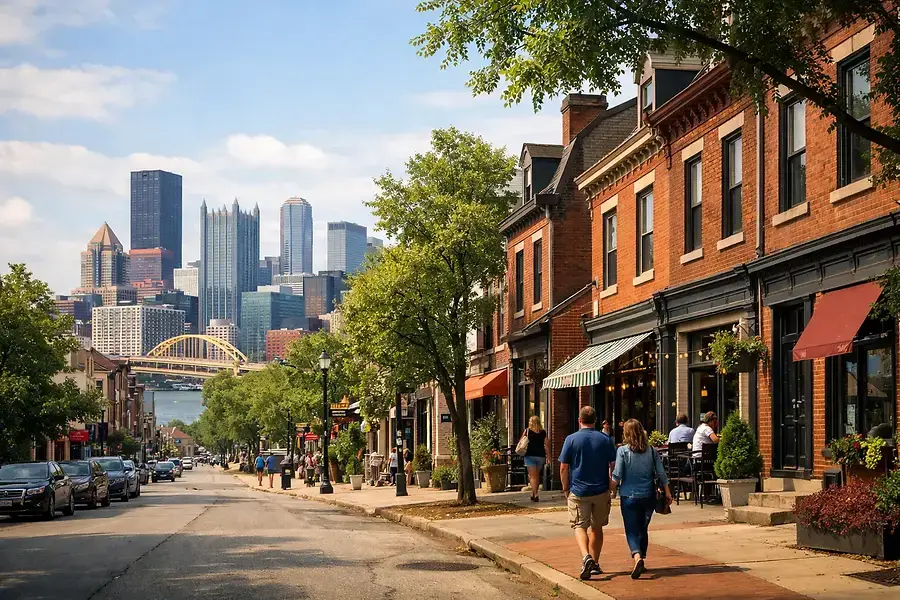
Understanding Pittsburgh's Current Real Estate Market Dynamics
Pittsburgh's real estate market has undergone a significant transformation in recent years, establishing itself as one of the most attractive markets in the Northeast. The city has experienced steady growth driven by economic diversification, tech industry expansion, and an influx of young professionals seeking affordable urban living.
The market has shifted from a buyer's advantage to a more balanced environment where both parties have leverage depending on location and property type. Average home prices have increased steadily, though Pittsburgh remains considerably more affordable than comparable cities like Boston or Philadelphia. This affordability factor continues to draw investors and homebuyers from across the country.
Market Indicators and Pricing Trends
Recent data shows that residential properties are moving faster than they did just a few years ago. The median home price has climbed, but inventory levels remain relatively healthy, preventing the extreme competition seen in other major markets. Homes in desirable neighborhoods are selling within 30-45 days on average, while less competitive areas may take longer.
- Median home prices have increased by 8-12% year-over-year
- Inventory levels remain moderate, favoring neither buyers nor sellers exclusively
- Interest rates continue to influence buyer purchasing power
- New construction is gradually increasing in select neighborhoods
Key Neighborhoods Driving Residential Growth in Pittsburgh
Not all Pittsburgh neighborhoods are created equal when it comes to real estate investment and lifestyle appeal. Several areas have emerged as hotspots for both residential growth and property appreciation.
East End Neighborhoods
The East End, including areas like Shadyside, Squirrel Hill, and Highland Park, continues to dominate the market. These neighborhoods offer a blend of historic charm, walkability, and proximity to cultural institutions. Properties here command premium prices but offer strong long-term appreciation potential.
Emerging Neighborhoods
Savvy investors are turning their attention to up-and-coming areas like Lawrenceville, Garfield, and the Strip District. These neighborhoods offer:
- More affordable entry points for first-time buyers
- Active community development and revitalization efforts
- Growing restaurant, retail, and entertainment scenes
- Strong potential for property value appreciation
Suburban Growth Areas
The suburbs surrounding Pittsburgh, particularly in the South Hills and North Hills, continue to attract families seeking space and good schools. These areas offer larger properties at more moderate price points, making them ideal for those prioritizing square footage and yard space.
Buyer and Seller Strategies for Success
For Buyers
Get pre-approved before house hunting. In Pittsburgh's current market, having proof of financing makes your offer significantly more competitive. Lenders can process approvals quickly, giving you an advantage when you find the right property.
Consider your long-term goals when choosing a neighborhood. Are you looking for walkability and urban amenities, or do you prefer suburban tranquility? Pittsburgh's diverse neighborhoods mean there's something for every lifestyle preference.
"The best time to buy is when you find the right property at the right price, not when you think the market will peak."
Don't overlook properties that need minor updates. In Pittsburgh's market, homes requiring cosmetic improvements often represent better value propositions. Budget for renovations and you may find significant equity opportunities.
For Sellers
Pricing your home competitively is crucial. Work with a knowledgeable real estate agent who understands your specific neighborhood's market dynamics. Overpricing can result in your home sitting on the market, which ultimately reduces buyer interest.
Curb appeal matters significantly in Pittsburgh's market. The city's older housing stock means that well-maintained exteriors and updated landscaping can dramatically impact buyer perception and offers received.
- Stage your home to help buyers envision themselves living there
- Highlight unique features and recent upgrades
- Be flexible with showings and inspection timelines
- Consider the timing of your listing carefully
Transparency about property condition builds trust with buyers. Disclose any known issues upfront to avoid complications during inspections and appraisals.
Making Your Move: Next Steps in Pittsburgh Real Estate
Assessing Your Readiness
Before entering the Pittsburgh real estate market, honestly evaluate your financial situation. Ensure you have adequate savings for down payment, closing costs, and emergency reserves. Most lenders require 3-5% down for conventional loans, though FHA loans may require less.
Working with Real Estate Professionals
Hiring an experienced Pittsburgh real estate agent is invaluable. They understand local market nuances, neighborhood characteristics, and can guide you through the entire transaction process. A good agent pays for themselves through better negotiations and market knowledge.
Timeline Considerations
The Pittsburgh real estate market operates year-round, but seasonal patterns exist. Spring and early summer typically see increased inventory and buyer activity. However, less competition in fall and winter can sometimes lead to better deals for motivated buyers.
Whether you're buying or selling, success in Pittsburgh's real estate market comes down to preparation, realistic expectations, and working with knowledgeable professionals. The city's growing appeal and relatively affordable pricing compared to other major metros make it an attractive market for real estate investment and homeownership. Take time to understand your goals, research neighborhoods thoroughly, and make informed decisions that align with your long-term vision.


