Pittsburgh's Residential Market: Investment Potential in 12 Key Communities
Discover which South Hills neighborhoods offer the best combination of appreciation potential, affordability, and quality of life for your next real estate investment.

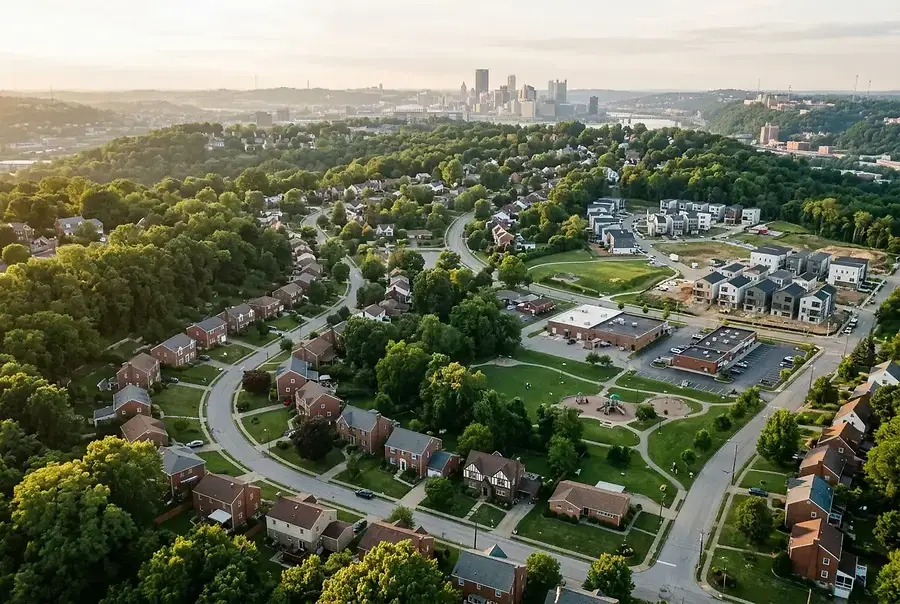
Understanding the Pittsburgh Residential Market Landscape
Pittsburgh's residential real estate market has undergone a remarkable transformation in recent years, positioning itself as one of the most attractive investment destinations in the Northeast. The city's diverse neighborhoods, combined with affordable entry points and strong fundamentals, create compelling opportunities for both seasoned investors and first-time homebuyers.
The South Hills region, in particular, has emerged as a hotbed of investment activity. With a population that values community, excellent schools, and convenient access to downtown Pittsburgh, these neighborhoods offer a unique blend of suburban charm and urban accessibility. The market fundamentals here are particularly strong, characterized by steady demand, reasonable price points, and growing recognition from national real estate analysts.
Market Drivers and Economic Factors
Several key factors are driving growth in Pittsburgh's residential market. The region's diversified economy, anchored by healthcare, technology, and education sectors, provides stable employment opportunities. Additionally, the cost of living remains significantly lower than comparable East Coast markets, attracting young professionals and families seeking better value for their investment dollars.
Infrastructure improvements and revitalization initiatives throughout the South Hills have enhanced neighborhood appeal and accessibility. These developments, combined with increasing remote work flexibility, have made Pittsburgh neighborhoods increasingly attractive to a broader demographic of buyers and investors.
Investment Opportunities Across 12 Strategic Communities
The South Hills encompasses numerous neighborhoods, each with distinct characteristics and investment profiles. Here are 12 key communities worth considering:
Established Neighborhoods with Strong Fundamentals
- Mount Washington: Offering iconic views and established residential character, this neighborhood combines prestige with accessibility.
- Bethel Park: Known for excellent schools and family-friendly amenities, this community attracts long-term residents and investors.
- Upper St. Clair: A premier destination with top-rated schools and upscale properties, offering strong appreciation potential.
- Castle Shannon: This emerging neighborhood provides excellent value with improving infrastructure and community development.
Up-and-Coming Communities with Growth Potential
- Dormont: Experiencing revitalization with new commercial development and improved walkability, this neighborhood appeals to younger investors.
- Brentwood: Offering affordable entry points with strong community initiatives and infrastructure improvements.
- Whitehall: A transitional neighborhood with significant development potential and reasonable property values.
- South Park Township: Combining suburban living with proximity to employment centers and recreational opportunities.
Emerging Neighborhoods with Long-Term Potential
- Homestead: Undergoing significant transformation with waterfront development and mixed-use projects creating new investment opportunities.
- Munhall: Positioned for growth with strategic location and emerging commercial development initiatives.
- West Mifflin: Offering affordable properties with improving community amenities and accessibility.
- Versailles: A smaller community with strong fundamentals and potential for appreciation as the region develops.
Evaluating Appreciation Trends and Long-Term Value
Historical Performance and Market Indicators
Analysis of recent market data reveals encouraging trends across Pittsburgh's South Hills neighborhoods. Properties in established communities have demonstrated consistent appreciation, while emerging neighborhoods show accelerating growth rates. The combination of low entry prices and steady demand creates favorable conditions for long-term wealth building.
"The Pittsburgh market offers investors a rare combination of affordability and appreciation potential that is increasingly difficult to find in major metropolitan areas."
Factors Influencing Future Appreciation
Several elements will likely drive continued appreciation in these communities:
- Population Growth: Migration patterns show increasing interest in Pittsburgh from out-of-state residents seeking affordable, quality communities.
- Employment Expansion: Growing job markets in healthcare, technology, and professional services support housing demand.
- Infrastructure Investment: Public and private sector investments in transportation, utilities, and amenities enhance neighborhood appeal.
- School Quality: Excellent school districts remain a primary driver of residential demand and property values.
- Community Development: Revitalization projects and new commercial spaces increase neighborhood desirability.
Comparative Value Analysis
When comparing Pittsburgh neighborhoods to similar communities in other major metropolitan areas, the value proposition becomes clear. Properties that would command premium prices in cities like Boston or Philadelphia are available at fraction of the cost in Pittsburgh, while offering comparable quality of life and investment fundamentals.
Making Your Investment Decision in Pittsburgh's Suburbs
Key Evaluation Criteria
Before committing to an investment in any Pittsburgh neighborhood, consider these essential factors:
- Property Condition and Age: Assess renovation needs and potential improvement opportunities.
- Neighborhood Trajectory: Research development plans, zoning changes, and community initiatives.
- Rental Market Dynamics: Evaluate tenant demand, rental rates, and occupancy trends if considering rental income.
- Comparable Sales: Analyze recent transactions to ensure fair pricing and realistic appreciation expectations.
- Local Amenities: Consider proximity to shopping, dining, parks, and entertainment options.
- School District Performance: Review academic ratings and test scores, even if you don't have school-age children.
Investment Strategies for Different Goals
For Long-Term Appreciation: Focus on established neighborhoods with strong fundamentals and emerging communities positioned for growth. These areas offer the best combination of stability and upside potential.
For Rental Income: Consider neighborhoods with strong tenant demand, such as areas near universities, employment centers, or with excellent public transportation access.
For Value Investing: Emerging neighborhoods with improving infrastructure and community development initiatives offer the greatest potential returns for patient investors willing to hold for the long term.
Next Steps in Your Investment Journey
Begin by identifying which neighborhoods align with your investment goals and risk tolerance. Connect with local real estate professionals who understand the nuances of each community. Conduct thorough due diligence, including property inspections, market analysis, and financial projections. Finally, ensure your investment strategy aligns with your overall financial objectives and timeline.
Pittsburgh's residential market presents a compelling opportunity for investors seeking value, stability, and appreciation potential. The 12 communities outlined in this guide offer diverse options to match various investment profiles and goals. With careful analysis and strategic decision-making, your next real estate investment could be in one of Pittsburgh's most promising neighborhoods.


