Pittsburgh's Suburban Neighborhoods: Finding Your Ideal Home Community
Discover what makes each Pittsburgh-area suburb unique and find the perfect neighborhood match for your family's lifestyle and budget.

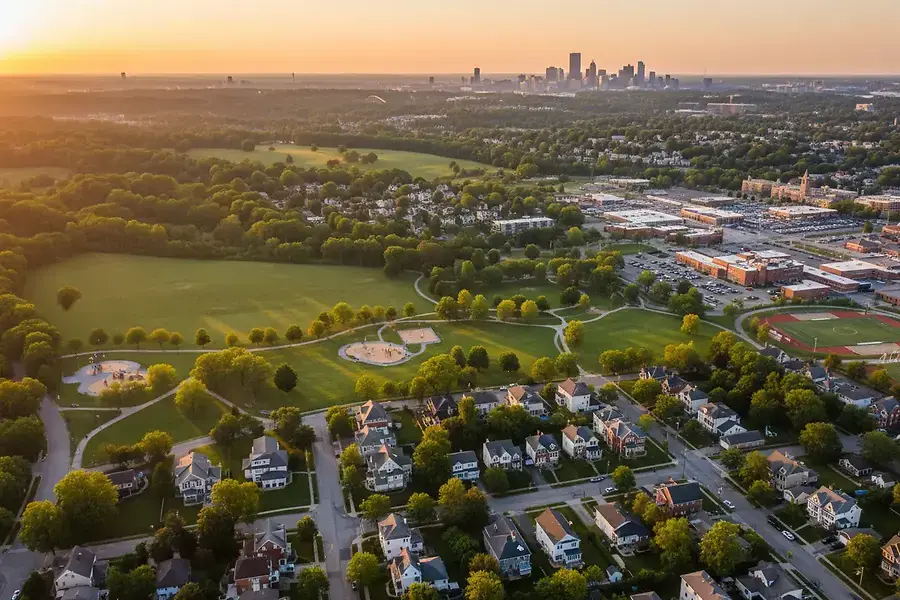
Understanding Pittsburgh's Diverse Residential Landscape
Pittsburgh's suburban communities offer something for everyone, from young professionals seeking vibrant neighborhoods to established families looking for excellent schools and spacious homes. The Greater Pittsburgh area encompasses dozens of distinct neighborhoods, each with its own character, amenities, and price points. Whether you're relocating for work, expanding your family, or simply seeking a change of scenery, understanding what each suburb has to offer is essential to making an informed decision.
The Pittsburgh region is divided into several key areas, including the South Hills, North Shore, East End, and surrounding communities. Each area presents unique advantages and considerations that can significantly impact your quality of life and long-term investment potential. By exploring these neighborhoods systematically, you'll be better equipped to identify the community that aligns with your priorities and lifestyle preferences.
Comparing Popular Suburbs: Schools, Amenities, and Community Character
South Hills Communities
The South Hills region is renowned for its excellent school districts and family-friendly atmosphere. Communities like Upper St. Clair and Mt. Lebanon consistently rank among the top-performing school districts in Pennsylvania, making them particularly attractive to families with children. These neighborhoods feature well-maintained parks, recreational facilities, and strong community engagement.
- Upper St. Clair: Known for its highly-rated schools, spacious properties, and active community organizations. The area offers excellent shopping at nearby malls and diverse dining options.
- Mt. Lebanon: Features beautiful tree-lined streets, a strong sense of community pride, and access to numerous parks and trails. The downtown area provides local shops and restaurants.
- Peters Township: Offers a more rural feel while maintaining convenient access to urban amenities. Known for its scenic landscapes and outdoor recreation opportunities.
North Shore and East End Areas
For those seeking a more urban lifestyle with walkable neighborhoods and cultural attractions, the North Shore and East End areas provide excellent alternatives. These communities appeal to young professionals, empty nesters, and anyone who values proximity to entertainment and dining.
- Lawrenceville: A trendy neighborhood featuring independent shops, art galleries, breweries, and restaurants. The area has experienced significant revitalization and attracts a younger demographic.
- Shadyside: An upscale neighborhood known for its boutique shopping, fine dining, and cultural institutions. Offers a more cosmopolitan feel while maintaining residential charm.
- Highland Park: Features the renowned Pittsburgh Zoo and PPG Aquarium, beautiful parks, and a mix of historic and modern homes. Offers excellent walkability and community events.
Emerging Neighborhoods
Several emerging communities are gaining attention from homebuyers seeking value and growth potential. Dormont, Bethel Park, and Squirrel Hill offer more affordable entry points while still providing good schools, amenities, and community character. These neighborhoods are experiencing renewed interest and investment, making them attractive for buyers focused on long-term appreciation.
Budget and Investment Considerations: Price Ranges and Long-Term Value
Premium Neighborhoods
Top-tier suburbs like Upper St. Clair and Mt. Lebanon command premium prices, typically ranging from $400,000 to $800,000 and beyond for quality homes. While these neighborhoods require a larger initial investment, they offer strong appreciation potential, excellent schools, and stable property values. The investment in these communities often pays dividends through superior school performance and community stability.
Mid-Range Communities
Mid-range suburbs including Bethel Park, Peters Township, and Dormont offer homes generally priced between $250,000 and $450,000. These neighborhoods provide excellent value, combining good schools and amenities with more accessible price points. Many buyers find these areas offer the best balance between affordability and quality of life.
Urban and Trendy Neighborhoods
Neighborhoods like Lawrenceville and Shadyside typically range from $300,000 to $600,000, depending on property size and condition. These areas appeal to buyers prioritizing walkability and cultural amenities over suburban space. The younger demographic and ongoing revitalization efforts suggest strong future appreciation potential.
Investment Considerations
When evaluating neighborhoods for investment potential, consider the following factors:
- School District Performance: Consistently strong schools support property values and attract families.
- Population Trends: Growing communities typically offer better appreciation potential than declining areas.
- Infrastructure Development: New roads, public transportation, and commercial development can boost neighborhood values.
- Community Amenities: Parks, recreation centers, and local businesses enhance quality of life and property desirability.
- Historical Price Trends: Research how neighborhood values have performed over the past 5-10 years.
Making Your Final Decision with Confidence
Choosing the right Pittsburgh suburb requires balancing multiple factors including budget, school quality, lifestyle preferences, and investment potential. Start by identifying your non-negotiable priorities—whether that's excellent schools, walkability, affordability, or cultural amenities. Then, systematically evaluate neighborhoods that meet these criteria.
Visit neighborhoods at different times of day to get a genuine feel for the community. Walk the streets, visit local parks, and chat with residents. Attend community events and explore local businesses to understand the neighborhood's character and energy.
Work with a knowledgeable real estate agent who specializes in Pittsburgh suburbs. They can provide insights into market trends, neighborhood trajectories, and hidden gems that might not be obvious to newcomers. A good agent will help you navigate the nuances of different communities and find properties that offer the best value.
Consider your long-term plans. Are you looking for a starter home or a permanent family residence? Do you anticipate needing excellent schools for the next decade? Will you want to downsize eventually? Your answers to these questions should inform your neighborhood selection.
Pittsburgh's suburban landscape offers remarkable diversity, ensuring that whether you prioritize top-rated schools, vibrant urban culture, outdoor recreation, or investment potential, you'll find a community that feels like home. By taking time to explore your options and carefully evaluating each neighborhood's strengths, you'll make a confident decision that supports your family's happiness and financial goals for years to come.


