Plano Home Inspections: Essential Buyer's Guide to Protecting Your Investment
Discover the critical inspection checklist that protects your investment and prevents costly surprises before closing.

Why Home Inspections Matter in Plano's Competitive Market
Buying a home in Plano is one of the most significant financial decisions you'll make. With the competitive real estate market in the Dallas-Fort Worth area, it's easy to get caught up in the excitement of finding your dream home and overlook critical details. A professional home inspection is your safeguard against costly surprises after closing.
Home inspections provide an objective assessment of a property's condition, identifying potential issues before you commit to the purchase. In Plano's fast-paced market, where homes can sell quickly, having a thorough inspection gives you leverage to negotiate repairs or price adjustments. Without this crucial step, you could inherit expensive problems that drain your savings and create stress.
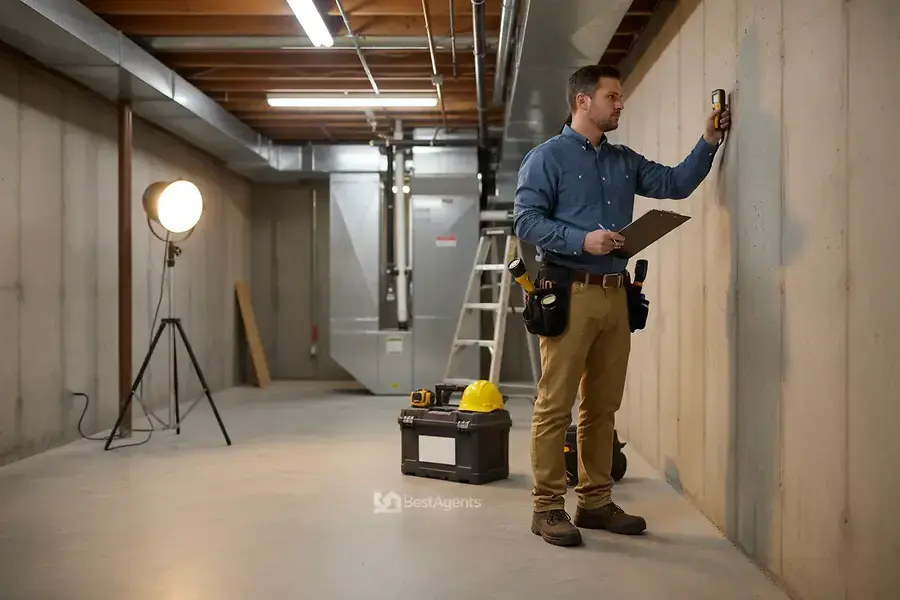
The inspection process typically takes 2-4 hours and covers all major systems and structural components of the home. A certified inspector will document their findings in a detailed report, giving you the information needed to make an informed decision.
Key Areas to Inspect: Foundation, Systems & Structural Integrity
Foundation and Structural Components
The foundation is the backbone of any home. Inspectors examine the foundation for cracks, settling, water damage, and signs of structural movement. In Plano, where soil conditions can vary, foundation issues are particularly important to assess.
- Visible cracks in the foundation or basement walls
- Water intrusion or moisture damage
- Uneven floors or doors that don't close properly
- Bowing walls or signs of foundation settling
Small cracks may be cosmetic, but larger ones could indicate serious structural problems requiring expensive repairs.
Electrical and Plumbing Systems
These systems are critical to daily living and safety. Inspectors verify that electrical panels are up to code, outlets are properly grounded, and there are no fire hazards. For plumbing, they check water pressure, drainage, and the condition of pipes.
- Outdated electrical panels that may need upgrading
- Corroded or deteriorating pipes that could fail soon
- Water pressure issues or slow drains
- Leaks under sinks or around water heaters
Replacing electrical panels or repiping a home can cost thousands of dollars, making this inspection area crucial.
HVAC and Roof Systems
Your heating, ventilation, and air conditioning system keeps you comfortable year-round. The roof protects your entire home from the elements. Both require significant investment when replacement is needed.
- Age and condition of the HVAC unit and remaining lifespan
- Roof age, missing shingles, and signs of leaks
- Proper ventilation and insulation in the attic
- Gutters and downspouts for proper water drainage
A roof replacement can easily exceed $10,000, so understanding its condition is essential for budgeting.
Interior and Exterior Conditions
Inspectors also evaluate windows, doors, siding, decks, and interior finishes. They look for water damage, pest infestation, and safety hazards.
- Signs of termites or pest damage
- Mold or mildew in bathrooms or basements
- Damaged windows or doors affecting energy efficiency
- Deck or porch safety issues
Understanding Inspection Reports and Negotiating Repairs
Decoding Your Inspection Report
A comprehensive inspection report will categorize findings by severity. Most reports use classifications like safety hazard, major repair needed, minor repair needed, and maintenance recommended.
Safety hazards require immediate attention and should be addressed before closing. Major repairs are significant issues that affect the home's value or functionality. Minor repairs are smaller issues, and maintenance items are preventative measures to extend the life of systems.
Take time to understand each finding. Don't hesitate to ask your inspector questions about anything unclear. A good inspector will explain issues in detail and discuss potential solutions.
Negotiation Strategies
Once you have the inspection report, you have several options:
- Request repairs: Ask the seller to fix major issues before closing
- Request credits: Negotiate a price reduction to cover repair costs yourself
- Request inspections: Ask for specialized inspections (pest, radon, mold) if concerns arise
- Walk away: If issues are too severe, you may choose not to proceed
In Plano's competitive market, sellers may be less willing to negotiate if multiple offers exist. However, significant safety issues or major repairs give you legitimate grounds for negotiation. Be reasonable in your requests—asking for cosmetic fixes may weaken your position.
Pro tip: Get pre-approval for your mortgage before making an offer. This strengthens your negotiating position and shows sellers you're a serious buyer.
Working with Your Real Estate Agent
Your real estate agent can provide valuable guidance on what's reasonable to request based on local market conditions and comparable homes. They understand Plano's market dynamics and can advise whether the seller is likely to negotiate.
Making Informed Decisions with Professional Guidance
A home inspection is an investment in peace of mind. The inspection fee, typically $300-$500, is minimal compared to the cost of discovering major problems after closing. This is not an area to cut corners or skip entirely.
Choose a certified inspector with experience in the Plano area. Look for inspectors who are members of professional organizations like the American Society of Home Inspectors (ASHI) or the National Association of Home Inspectors (NAHI). Read reviews and ask for references.
Remember that no home is perfect. Every property has some issues—the goal is to identify them before purchase so you can make an informed decision. Whether you negotiate repairs, request credits, or accept the home as-is, you'll do so with full knowledge of what you're buying.
A thorough home inspection empowers you to protect your investment, avoid costly surprises, and move forward with confidence in your Plano home purchase. Don't let the excitement of finding your dream home overshadow the importance of due diligence. Your future self will thank you for taking this critical step.


