Pontiac Home Inspection Essentials: What Buyers Need to Know
Discover the critical inspection points that protect your investment when buying residential property in Pontiac.

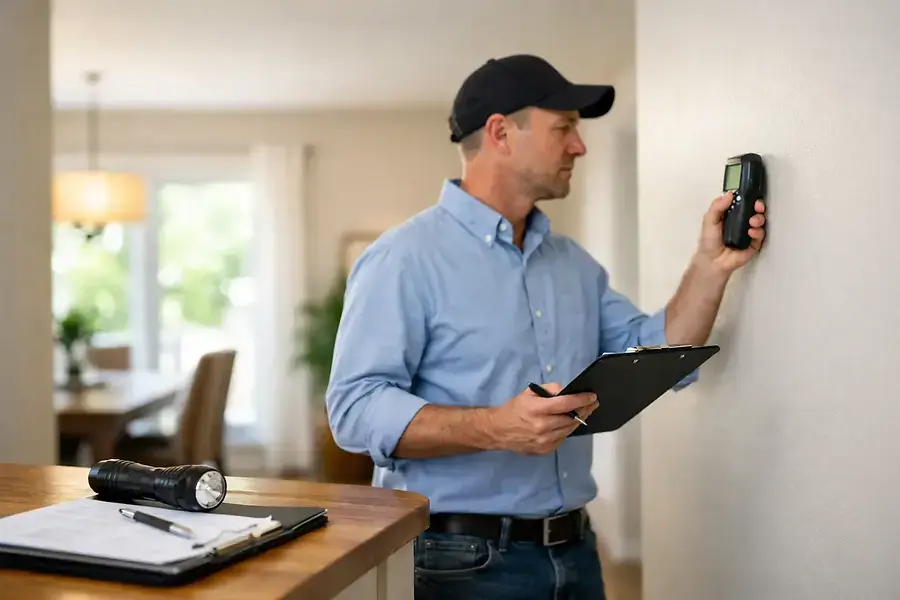
Understanding the Home Inspection Process in Pontiac
A home inspection is one of the most important steps in the residential property buying process. In Pontiac, professional inspectors conduct thorough evaluations of properties to identify potential issues before you commit to a purchase. This process typically takes two to three hours and provides you with a detailed report of the property's condition.
During a standard inspection, a certified inspector will examine both the interior and exterior of the home. They use specialized equipment and follow industry standards to assess the overall structural integrity and functionality of the property. Understanding what happens during this process helps you prepare questions and know what to expect from your inspection report.
What to Expect During Your Inspection
Most Pontiac home inspections follow a systematic approach. The inspector will start with the exterior, checking the roof, siding, foundation, and landscaping. They then move inside to evaluate the interior systems and structure. You have the right to be present during the inspection, and many buyers find it valuable to walk through with the inspector to ask questions and learn about the property.
The final inspection report will include photographs, descriptions of findings, and recommendations for repairs or further evaluation. This documentation becomes crucial when negotiating with sellers or making your final purchasing decision.
Key Areas Inspectors Evaluate in Residential Properties
Structural Components
Inspectors carefully examine the foundation, walls, and overall structural integrity of the home. In Pontiac, where weather conditions can be variable, foundation issues are particularly important to assess. Cracks, settling, or water damage in the foundation can indicate serious problems that require professional repair.
Roofing and Exterior
The roof is one of the most expensive components to replace in a home. Inspectors evaluate:
- Roof age and remaining lifespan
- Shingle condition and missing pieces
- Flashing around chimneys and vents
- Gutters and downspouts
- Exterior siding and trim condition
Plumbing Systems
A thorough plumbing inspection checks water pressure, drainage, and the condition of pipes throughout the home. Inspectors look for:
- Water leaks and stains
- Pipe material and age
- Water heater condition and capacity
- Septic or sewer system functionality
- Fixture operation and condition
Electrical Systems
Electrical safety is paramount. Inspectors evaluate the main panel, wiring, outlets, and switches to ensure the system meets current safety standards. Outdated or faulty electrical systems can pose serious safety risks and may require upgrades.
HVAC Systems
Heating, ventilation, and air conditioning systems are essential for comfort and indoor air quality. Inspectors assess the age, condition, and efficiency of these systems. In Pontiac, where heating is crucial during winter months, the condition of your furnace or heating system is particularly important.
Interior Features
Inspectors also evaluate:
- Windows and doors
- Insulation and ventilation
- Flooring and wall conditions
- Stairs and railings
- Appliances (if included in the sale)
Red Flags and How to Negotiate After Inspection Results
Common Red Flags in Pontiac Properties
Water Damage and Mold: Signs of water intrusion, staining, or mold growth indicate potential moisture problems that can affect structural integrity and health.
Foundation Issues: Significant cracks, bowing walls, or uneven floors suggest structural problems requiring professional evaluation and potentially expensive repairs.
Outdated Electrical Systems: Aluminum wiring, insufficient outlets, or an undersized panel may require costly upgrades to meet modern safety standards.
Roof Age: A roof nearing the end of its lifespan will soon require replacement, which is a substantial expense.
HVAC System Failure: An aging or non-functional heating or cooling system can be expensive to replace, especially in a climate like Pontiac's.
Negotiation Strategies
Once you receive your inspection report, you have several options for moving forward:
Request Repairs: Ask the seller to fix identified issues before closing. This is most effective for significant problems that affect safety or functionality.
Request Credits: Instead of repairs, negotiate a credit toward closing costs to address issues yourself after purchase. This gives you control over the work quality.
Price Reduction: Use inspection findings to justify a lower offer price that accounts for necessary repairs and improvements.
Walk Away: If inspection reveals major issues that would be costly to repair, you may decide the property isn't worth pursuing. This is why the inspection contingency in your purchase agreement is so valuable.
Tips for Effective Negotiation
- Get repair estimates from licensed contractors to support your negotiation position
- Prioritize major safety and structural issues over cosmetic concerns
- Be reasonable in your requests—sellers are more likely to negotiate fairly if you're not asking for unrealistic concessions
- Document everything in writing through your real estate agent
- Know your walk-away point before negotiations begin
Conclusion: Making Informed Decisions with Inspection Data
A professional home inspection is an investment in your peace of mind and financial security. In Pontiac's real estate market, understanding what inspectors evaluate and how to interpret their findings empowers you to make informed decisions about your property purchase.
Don't skip the inspection or treat it as a formality. Use this critical information to negotiate effectively, plan for future maintenance, and ensure you're buying a property that meets your needs and expectations. By taking inspection results seriously and addressing significant issues before closing, you protect your investment and set yourself up for a successful homeownership experience in Pontiac.