Port Orchard Commercial Property Inspections: What Buyers Must Know
Discover the critical inspection points that protect your commercial investment and reveal hidden issues before closing.

Why Commercial Property Inspections Differ from Residential
When purchasing commercial property in Port Orchard, many buyers mistakenly assume the inspection process mirrors residential transactions. However, commercial property inspections are fundamentally different in scope, complexity, and importance. Unlike residential homes, commercial buildings house businesses, generate revenue, and involve significantly larger financial commitments.
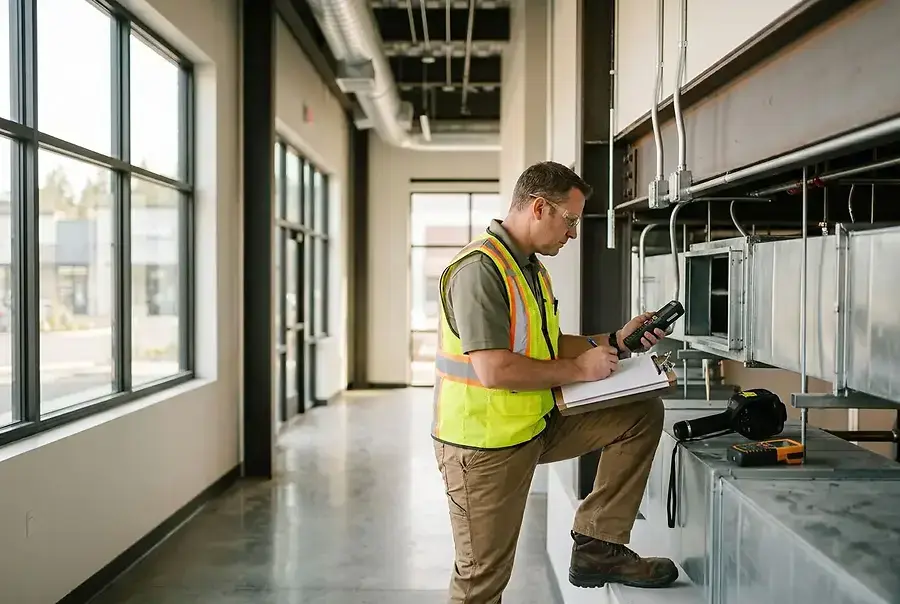
Commercial inspections require specialized expertise because they evaluate systems designed for high-volume use, compliance with business codes, and operational efficiency. A residential inspector may miss critical issues that directly impact your bottom line, such as HVAC systems sized for commercial operations, fire suppression systems, or accessibility compliance requirements. Additionally, commercial properties often have more complex structural systems, multiple tenants, and intricate utility arrangements that demand thorough evaluation.
The stakes are considerably higher in commercial real estate. A hidden structural defect or failing HVAC system could cost tens of thousands to repair and disrupt tenant operations. This is why hiring a qualified commercial property inspector is not just recommended—it's essential for protecting your investment.
Key Areas Professional Inspectors Evaluate in Port Orchard Commercial Buildings
Structural Integrity and Foundation
Professional inspectors begin by assessing the building's structural foundation and overall integrity. They examine concrete foundations for cracks, settling, or water damage that could indicate serious problems. Port Orchard's proximity to water and variable weather conditions make this evaluation particularly important. Inspectors look for signs of foundation movement, deteriorating concrete, and inadequate drainage systems that could lead to costly repairs.
HVAC and Mechanical Systems
Commercial HVAC systems are far more complex than residential units. Inspectors evaluate:
- System age and maintenance history
- Capacity to handle the building's square footage
- Ductwork condition and efficiency
- Thermostat controls and zoning capabilities
- Compliance with commercial building codes
These systems are critical for tenant comfort and retention. An undersized or failing system could result in tenant complaints, lease violations, and significant replacement costs.
Electrical Systems and Capacity
Commercial electrical systems must support higher loads than residential properties. Inspectors verify:
- Panel capacity and condition
- Adequate circuits for current and future tenant needs
- Grounding and safety compliance
- Backup power systems if applicable
- Code compliance with current electrical standards
Insufficient electrical capacity could limit your ability to attract quality tenants or require expensive upgrades.
Plumbing and Water Systems
Commercial plumbing systems handle significantly higher water volumes. Inspectors assess pipe materials, water pressure, drainage efficiency, and the condition of water heaters. They also evaluate whether the system meets commercial code requirements for the building's intended use. Aging pipes or inadequate water pressure can create operational challenges for tenants.
Roof and Exterior Envelope
The roof is one of your property's most expensive components. Inspectors examine:
- Roofing material type and remaining lifespan
- Signs of leaks or water damage
- Flashing and seal integrity
- Drainage systems and gutters
- Exterior wall condition and weatherproofing
A failing roof can quickly become a budget-draining emergency. Understanding its condition helps you plan for necessary replacements.
Fire Safety and Compliance Systems
Commercial buildings must meet strict fire safety codes. Inspectors verify:
- Fire suppression systems functionality
- Emergency exit accessibility and signage
- Fire alarm systems and monitoring
- Sprinkler system coverage and maintenance
- ADA compliance throughout the building
Non-compliance with fire codes can result in fines, forced closures, or liability issues.
Parking and Site Conditions
Inspectors evaluate parking lot condition, drainage, lighting, and safety features. They also assess landscaping, sidewalks, and overall site maintenance. These factors directly impact tenant satisfaction and property value.
Red Flags and Deal-Breakers to Watch For During Inspections
Structural and Foundation Issues
Significant cracks in the foundation, evidence of settling, or water intrusion are serious red flags. These issues can be extremely expensive to remediate and may indicate deeper structural problems. Request a structural engineer's evaluation if concerns arise.
Outdated or Failing Systems
HVAC systems nearing the end of their lifespan, electrical panels at capacity, or aging plumbing require immediate attention. Replacement costs for commercial systems can exceed $50,000 or more. Factor these expenses into your offer or renegotiate terms.
Code Violations and Compliance Issues
Any unresolved code violations are major concerns. These could require expensive corrections and create liability exposure. Ensure the seller provides documentation of all compliance certifications and permits.
Environmental Concerns
Look for signs of mold, asbestos, lead paint, or other environmental hazards. These require professional remediation and can significantly impact property value and usability. Environmental testing may be necessary before purchase.
Deferred Maintenance
Obvious signs of neglect—deteriorating roofing, broken windows, poor drainage, or pest damage—suggest the property hasn't been properly maintained. This often indicates hidden problems in systems you can't see.
Tenant-Related Issues
If the property is occupied, inspect tenant spaces thoroughly. Look for signs of damage, unauthorized modifications, or lease violations. These issues can affect your ability to retain tenants or command market rents.
Using Inspection Findings to Negotiate Better Terms
A comprehensive inspection report is your negotiating tool. Don't simply accept findings as inevitable costs—use them strategically:
Request Repairs: For significant issues, ask the seller to complete repairs before closing. This ensures work meets code standards and comes with warranties.
Price Adjustments: If repairs are extensive, negotiate a lower purchase price to account for remediation costs. Get contractor estimates to support your position.
Escrow Holdbacks: For minor issues, request funds be held in escrow to cover repairs after closing. This protects your interests while maintaining the transaction timeline.
Seller Warranties: Negotiate extended warranties on recently replaced systems or repairs completed by the seller.
The inspection report transforms from a simple checklist into a powerful negotiating document when you understand the financial implications of each finding.
Conclusion: Protecting Your Commercial Investment
Commercial property inspections in Port Orchard are not optional—they're essential due diligence for protecting your investment. By understanding what inspectors evaluate, recognizing red flags, and using findings to negotiate effectively, you position yourself for success.
Remember: The cost of a thorough inspection is minimal compared to the expense of discovering problems after closing. Partner with experienced commercial inspectors who understand Port Orchard's unique environmental and structural challenges. Your due diligence today will pay dividends throughout your ownership of the property.


