Port Saint Lucie Home Inspection Guide: What Every Buyer Should Know
Discover the critical inspection steps that protect your investment and reveal hidden issues before you buy.

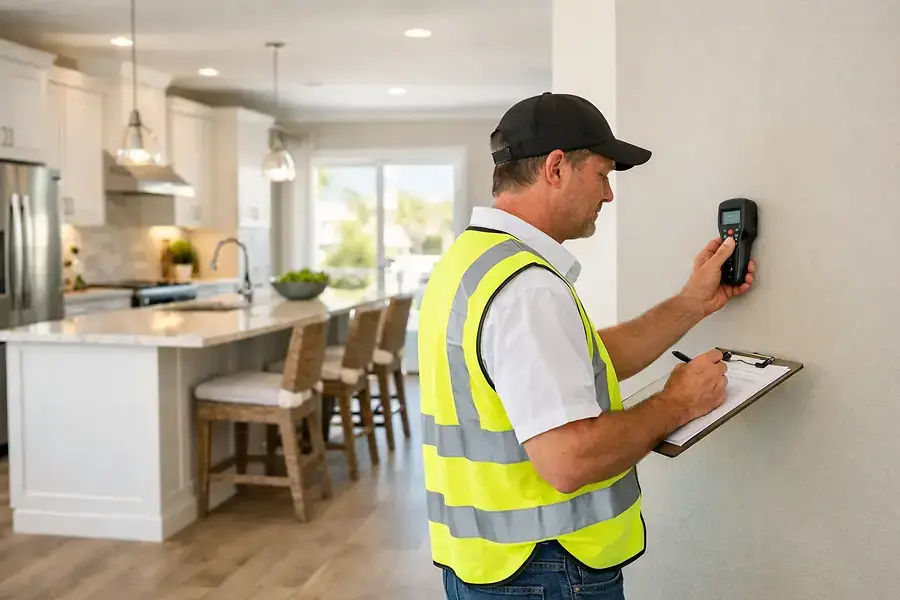
Understanding the Home Inspection Process
A home inspection is one of the most important steps in the home-buying journey. This professional evaluation provides a detailed assessment of a property's condition, helping you understand what you're truly investing in. In Port Saint Lucie, where properties face unique environmental challenges including humidity, salt air, and tropical weather conditions, a thorough inspection becomes even more critical.
The inspection process typically takes two to four hours and involves a licensed inspector examining the home's structural integrity, mechanical systems, and overall condition. As a buyer, you have the right to be present during the inspection, and it's highly recommended that you attend. This allows you to ask questions directly and gain firsthand knowledge about the property.
Before scheduling an inspection, ensure you've included an inspection contingency in your purchase agreement. This clause protects you by allowing you to back out of the deal or renegotiate terms if significant issues are discovered. Don't skip this crucial step—it's your safety net in the buying process.
Key Areas Inspectors Examine in Port Saint Lucie Homes
Structural Components and Foundation
Inspectors begin by evaluating the home's foundation and structural integrity. In Port Saint Lucie, this is particularly important due to the region's sandy soil composition and potential for settling. They'll look for cracks in the foundation, signs of water intrusion, and any structural damage that could compromise the home's stability.
Roofing and Exterior
The roof is your home's first line of defense against the elements. Given Port Saint Lucie's exposure to intense sun, salt spray, and occasional severe weather, inspectors pay special attention to:
- Roof condition and remaining lifespan
- Shingles or tile integrity
- Flashing and sealing around penetrations
- Gutters and drainage systems
- Exterior walls and siding for damage or deterioration
Plumbing Systems
Water quality and plumbing reliability are essential concerns. Inspectors test water pressure, check for leaks, examine pipe materials, and assess the water heater's condition. In Port Saint Lucie, they'll also evaluate how well the property handles drainage, particularly important given the area's high water table and occasional flooding concerns.
Electrical Systems
A comprehensive electrical inspection ensures your home is safe and up to code. Inspectors examine the electrical panel, wiring, outlets, and switches. They verify that the system can handle modern electrical demands and identify any outdated or hazardous components that may need upgrading.
HVAC and Climate Control
In Port Saint Lucie's warm climate, air conditioning is essential. Inspectors evaluate the AC unit's age, efficiency, and functionality. They also check heating systems, ductwork, and ventilation to ensure proper airflow throughout the home. A well-maintained HVAC system can save you thousands in energy costs.
Interior Conditions
Inspectors examine interior spaces for signs of water damage, mold, pest infestations, and structural issues. They check:
- Walls, ceilings, and floors for damage
- Windows and doors for proper operation
- Insulation and ventilation
- Appliances included in the sale
- Any visible signs of pest activity
Moisture and Mold Concerns
Given Port Saint Lucie's humid subtropical climate, moisture and mold are significant concerns. Inspectors look for water stains, soft spots in wood, musty odors, and visible mold growth. These issues can be expensive to remediate and may indicate larger problems with the home's envelope or drainage systems.
How to Review and Respond to Inspection Reports
Understanding the Report
After the inspection, you'll receive a detailed report typically within 24-48 hours. This document categorizes findings into major issues, minor issues, and recommendations. Take time to carefully review every section, and don't hesitate to ask your inspector for clarification on technical terms or concerns.
Prioritizing Issues
Not all inspection findings require immediate action. Categorize issues as:
- Critical: Safety hazards or major structural problems requiring immediate repair
- Important: Significant issues that should be addressed soon to prevent further damage
- Minor: Small repairs or maintenance items that can be handled over time
Negotiating with the Seller
Once you've reviewed the report, you have several options. You can request that the seller make repairs before closing, ask for a credit toward repairs you'll handle yourself, or renegotiate the purchase price. Be reasonable in your requests—focus on significant issues rather than minor cosmetic concerns. Your real estate agent can help you determine what's negotiable and fair.
Getting Second Opinions
For major issues identified in the inspection, consider obtaining quotes from licensed contractors. This gives you concrete numbers for repair costs and helps you make informed decisions about negotiations. Some issues may warrant specialized inspections—for example, a structural engineer might evaluate foundation concerns, or a mold specialist could assess moisture problems.
Documentation and Records
Keep all inspection reports, contractor quotes, and correspondence related to inspection findings. These documents are valuable for future reference and may be important for warranty claims or insurance purposes.
Conclusion: Making Informed Decisions as a Buyer
A home inspection is an investment in your peace of mind and financial security. By understanding the inspection process, knowing what inspectors examine, and properly reviewing the results, you're taking control of one of the largest purchases of your life.
In Port Saint Lucie, where environmental factors like humidity, salt air, and weather patterns present unique challenges, a thorough inspection is absolutely essential. Don't view inspection findings as deal-breakers—instead, see them as valuable information that empowers you to make informed decisions.
Work closely with your real estate agent and inspector to address concerns appropriately, and remember that no home is perfect. The goal is to understand the property's true condition and ensure you're comfortable with your investment. With proper due diligence, you'll move forward with confidence in your Port Saint Lucie home purchase.


