Porterville Home Inspection Checklist: What Buyers Must Know
Protect your investment with this essential guide to conducting a thorough pre-purchase inspection in Porterville.

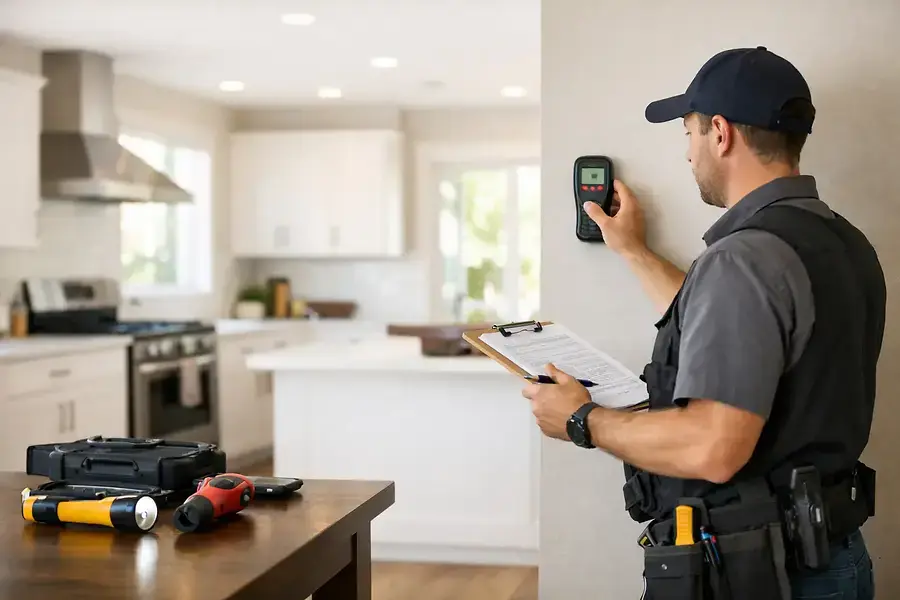
Introduction: Why Home Inspections Matter in Porterville's Market
Purchasing a home is one of the most significant financial decisions you'll make in your lifetime. In Porterville's competitive real estate market, a thorough home inspection can be the difference between finding your dream home and inheriting a money pit. A professional home inspection provides you with an objective assessment of a property's condition, helping you understand exactly what you're buying and what repairs or maintenance may be needed.
Home inspections are particularly crucial in Porterville, where properties range from historic homes to newer developments. Each type of property presents unique challenges and potential issues. By understanding what inspectors look for and what you should be aware of, you can protect your investment and make confident purchasing decisions.
Key Areas to Inspect: Structural Elements, Systems, and Common Issues
Structural Foundation and Exterior
The foundation is the backbone of any home. During an inspection, professionals examine the foundation for cracks, settling, and water damage. Look for:
- Visible cracks in the foundation or basement walls
- Signs of water intrusion or moisture damage
- Uneven floors or doors that don't close properly
- Exterior cracks in brick, stucco, or siding
- Proper grading around the foundation to ensure water drainage
The exterior also includes the roof, gutters, and drainage systems. A compromised roof can lead to thousands of dollars in repairs, so inspectors carefully examine shingles, flashing, and overall structural integrity.
Plumbing and Water Systems
Water-related issues are among the most expensive problems homeowners face. Inspectors check:
- Water pressure and flow throughout the home
- Condition of pipes and potential corrosion
- Functionality of fixtures and drains
- Water heater age and condition
- Presence of leaks under sinks and around toilets
- Septic system functionality (if applicable)
Pay special attention to older homes in Porterville that may have outdated plumbing materials that could require replacement in the near future.
Electrical Systems
Electrical safety is non-negotiable. Inspectors evaluate:
- Panel capacity and condition
- Proper grounding and bonding
- GFCI outlets in bathrooms and kitchens
- Outdated wiring that may pose fire hazards
- Adequate outlets and proper circuit distribution
HVAC and Climate Control
Heating, ventilation, and air conditioning systems are essential for comfort and health. Inspectors assess:
- Age and condition of furnace and air conditioning units
- Proper ventilation and ductwork
- Thermostat functionality
- Filter accessibility and maintenance requirements
Interior Condition and Appliances
While not always included in standard inspections, the interior condition matters. Check for:
- Mold or mildew in bathrooms and basements
- Functionality of built-in appliances
- Condition of flooring and walls
- Proper insulation in attic spaces
- Functionality of windows and doors
Red Flags and Deal-Breakers: Understanding Inspection Reports
Major Structural Issues
Structural problems are serious red flags that can affect the home's safety and value. These include:
- Foundation cracks wider than 1/4 inch
- Significant settling or shifting
- Rotted or compromised support beams
- Extensive water damage in basements or crawl spaces
Hazardous Materials
Older homes may contain hazardous materials like asbestos, lead paint, or radon. These require professional remediation and can significantly impact your budget. Always request testing if the home was built before 1980.
Outdated or Failing Systems
While not always deal-breakers, failing electrical, plumbing, or HVAC systems can be expensive to replace. Budget $5,000 to $15,000 for major system replacements when evaluating the property's true cost.
Water Damage and Mold
Water damage and mold growth indicate ongoing moisture problems. These issues can affect your health and require extensive remediation. If you see signs of water damage, request a mold inspection before proceeding.
Pest Infestations
Termites, rodents, and other pests can cause structural damage. If an inspection reveals active infestations, factor in professional pest control and potential structural repairs.
Roof Condition
A roof nearing the end of its lifespan (typically 20-25 years) may need replacement soon. This is a significant expense that should influence your offer price or negotiation strategy.
Conclusion: Making Informed Decisions with Inspection Results
A comprehensive home inspection is your opportunity to make an informed decision about one of the largest purchases of your life. Don't skip this crucial step, and don't ignore red flags in the inspection report.
Once you receive the inspection report, review it carefully with your real estate agent. Use the findings to negotiate repairs, request credits, or adjust your offer price accordingly. Remember, no home is perfect, but understanding its condition allows you to make decisions based on facts rather than emotions.
In Porterville's real estate market, informed buyers are successful buyers. By following this checklist and taking inspection results seriously, you're protecting your investment and ensuring that your new home is a sound financial decision for years to come.
Pro Tip: Always hire a licensed, certified home inspector with experience in Porterville properties. Their expertise can uncover issues that untrained eyes might miss, potentially saving you thousands of dollars.


